Spending less than $350 on a robot vacuum used to mean settling for a glorified Roomba from 2015 — bumper navigation, a dustbin you emptied daily, and cleaning patterns that looked more random than deliberate. That era ended somewhere around mid-2025, and the robots available in this bracket today would have been considered mid-range flagships just eighteen months ago.
The shift happened because LiDAR navigation — the same laser-mapping tech that powers $1,500 robots — dropped below $180. Self-emptying docks showed up at $229. And brands like MOVA and Tapo, which most people haven’t heard of, started undercutting the established players on both price and features. The result is a buyer’s market where your biggest challenge isn’t finding a good robot under $350; it’s choosing between five of them.
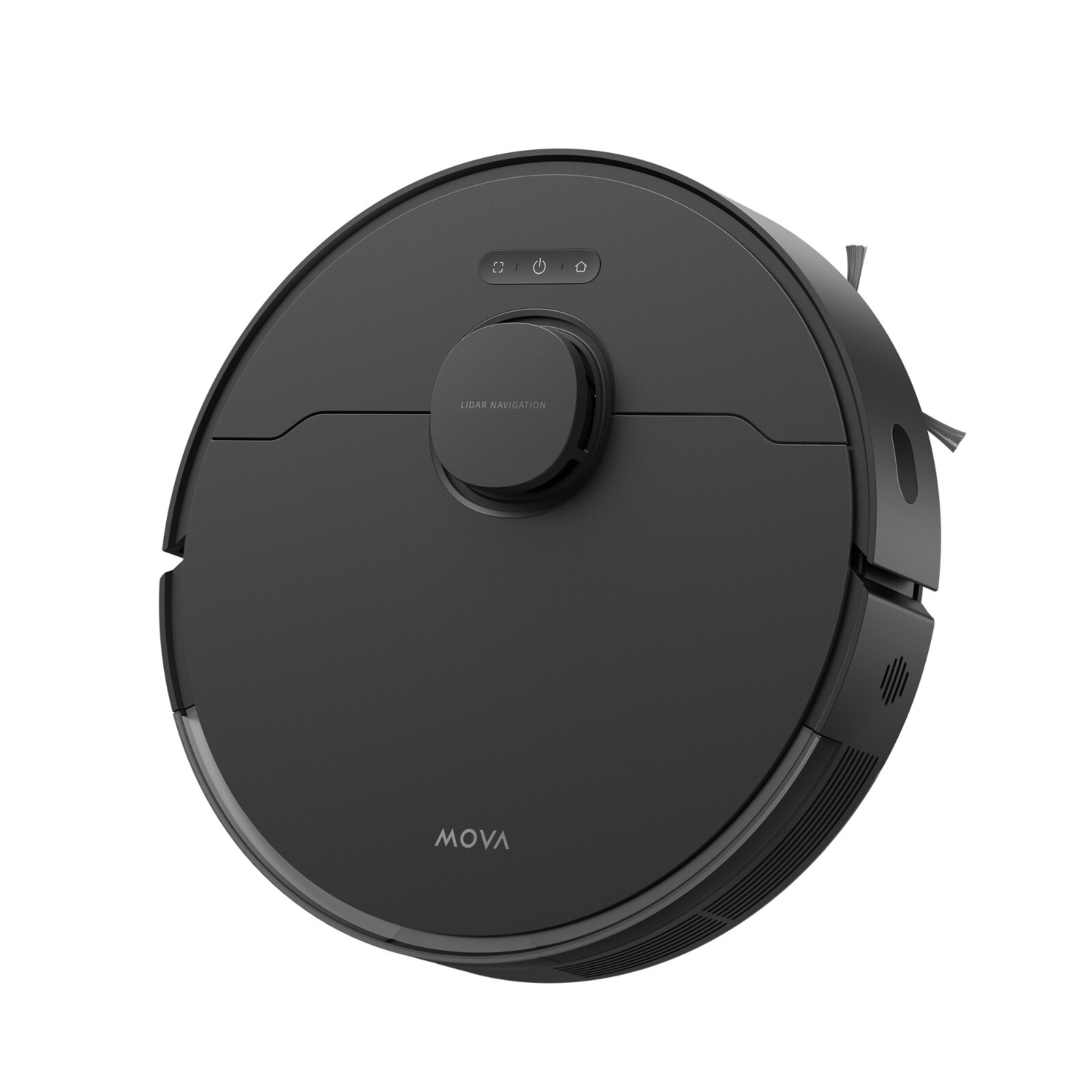
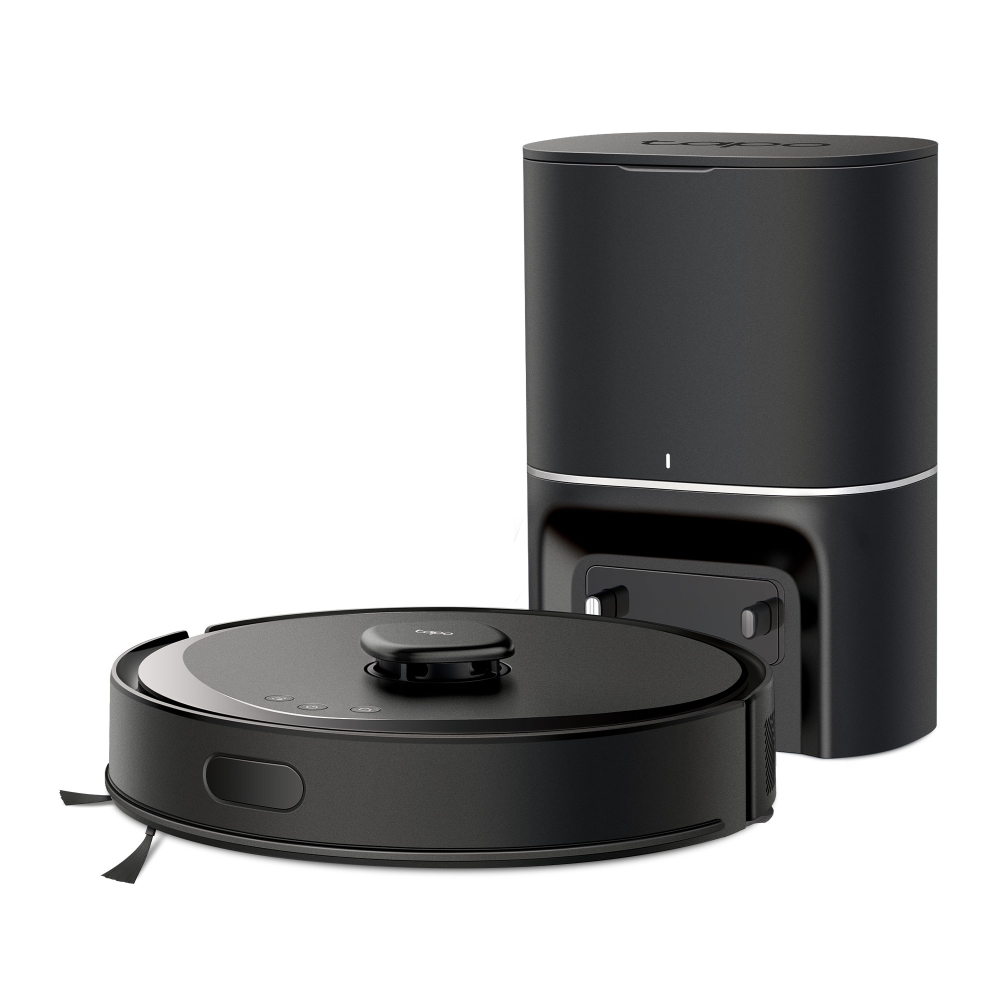
What separates these picks from each other comes down to what you’re willing to sacrifice. The MOVA S10 at $179 gives you LiDAR mapping and 3D obstacle avoidance with a 260-minute battery, but there’s no self-emptying dock — you’re dumping the dustbin yourself. Spend $50 more on the Tapo RV30 Max Plus and you gain a self-empty station plus a jump to 12,000Pa suction, which Vacuum Wars ranked as their top pick under $300. It’s a meaningful upgrade for pocket change.
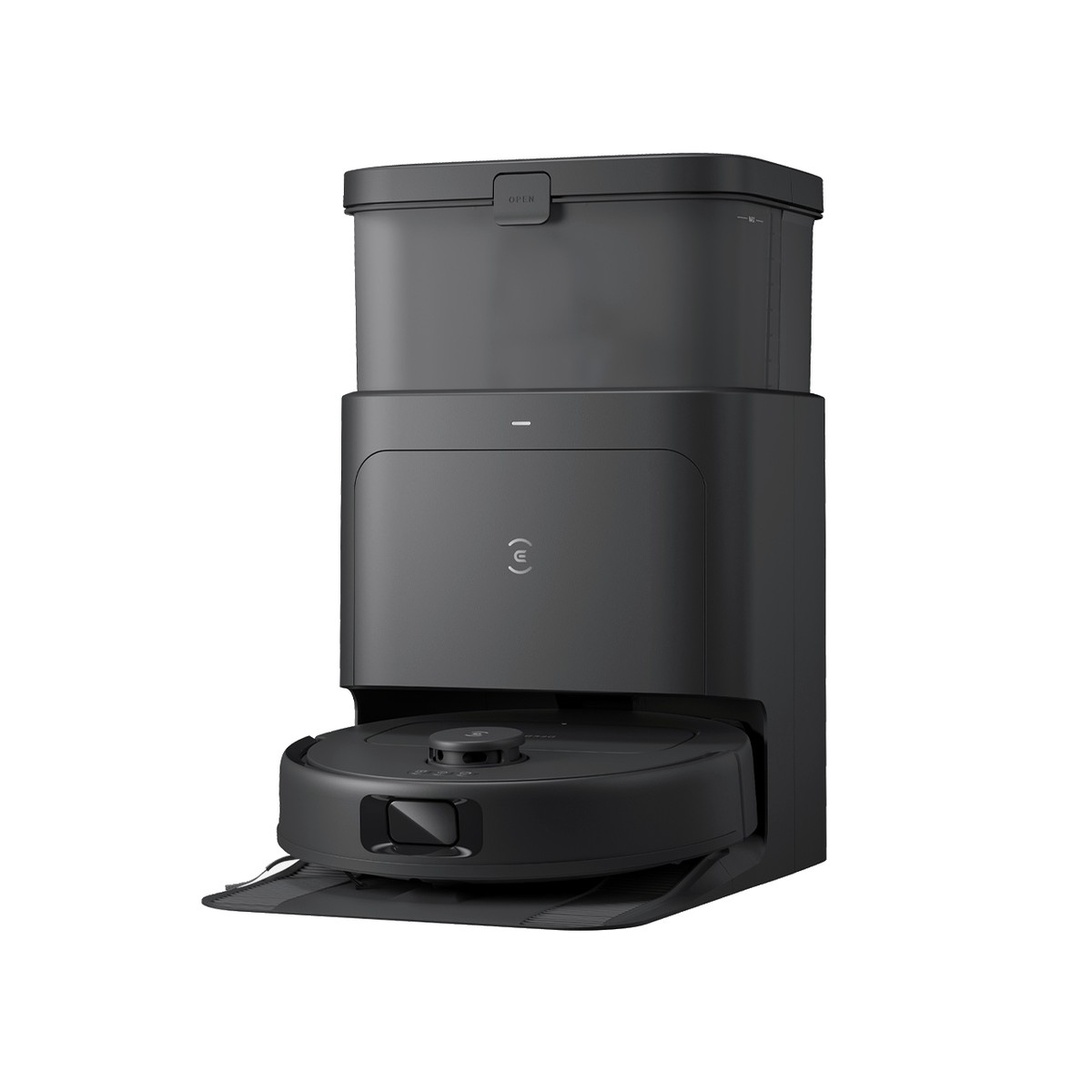
The Ecovacs Deebot N30 Omni occupies a sweet spot at $299 that’s hard to argue with. It bundles the full OMNI station — self-emptying, mop washing, and hot-air drying — into a package that eliminates daily maintenance entirely. The 320-minute battery is the longest in this tier by a wide margin, covering homes well over 2,500 square feet. Its 10,000Pa suction won’t win any contests, but for hardwood-dominant homes with area rugs, it’s more than adequate.
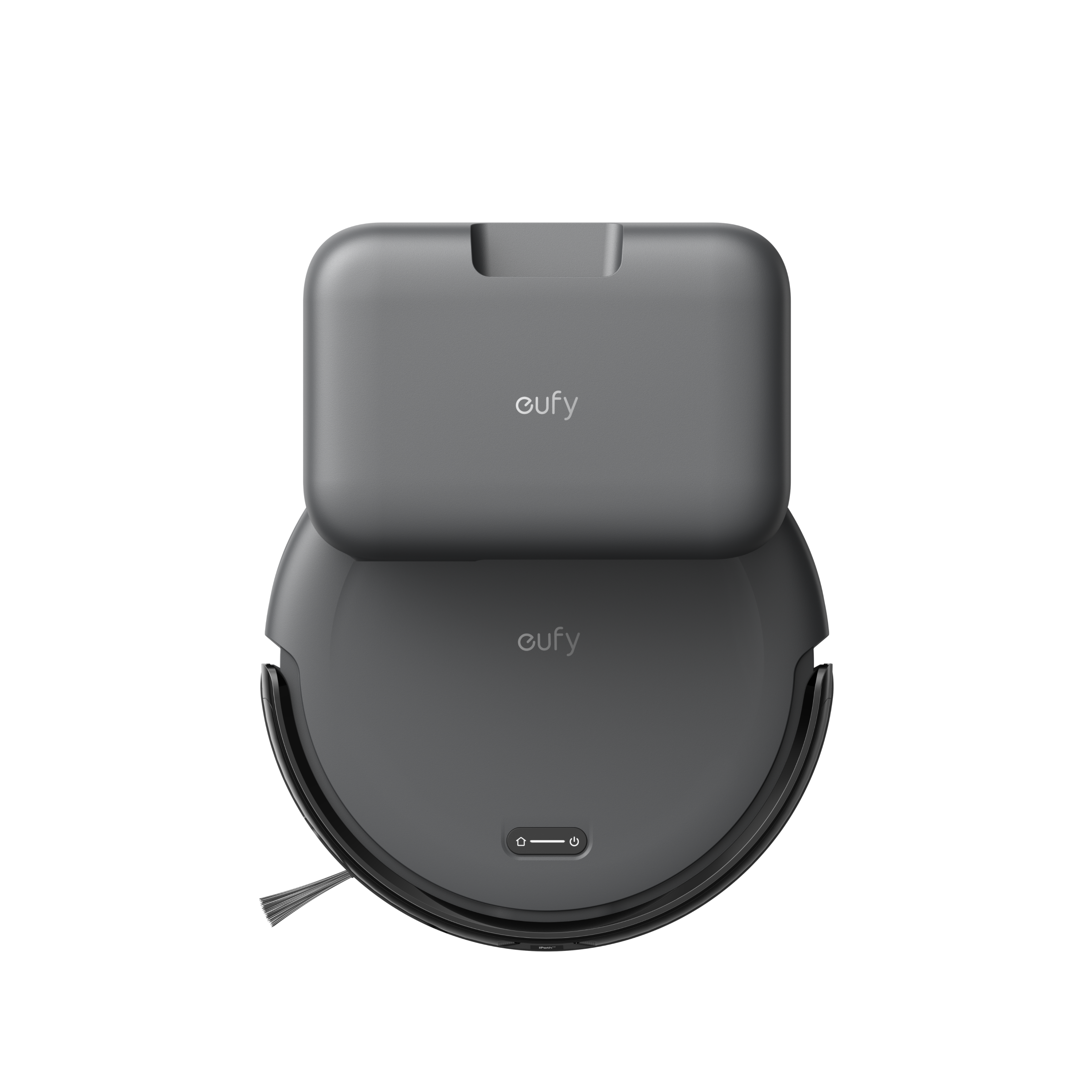
The Eufy C10 takes a different approach entirely. At 2.85 inches tall, it reaches under furniture that every other robot on this list simply cannot fit beneath — bed frames, TV stands, low coffee tables. The catch: no mopping at all, and no obstacle avoidance. It bumps into things. But if you pre-clear your floors and live with low-profile furniture, the C10 picks up 100% of pet hair on carpet and does it quietly enough at 51 dB to run while you sleep.
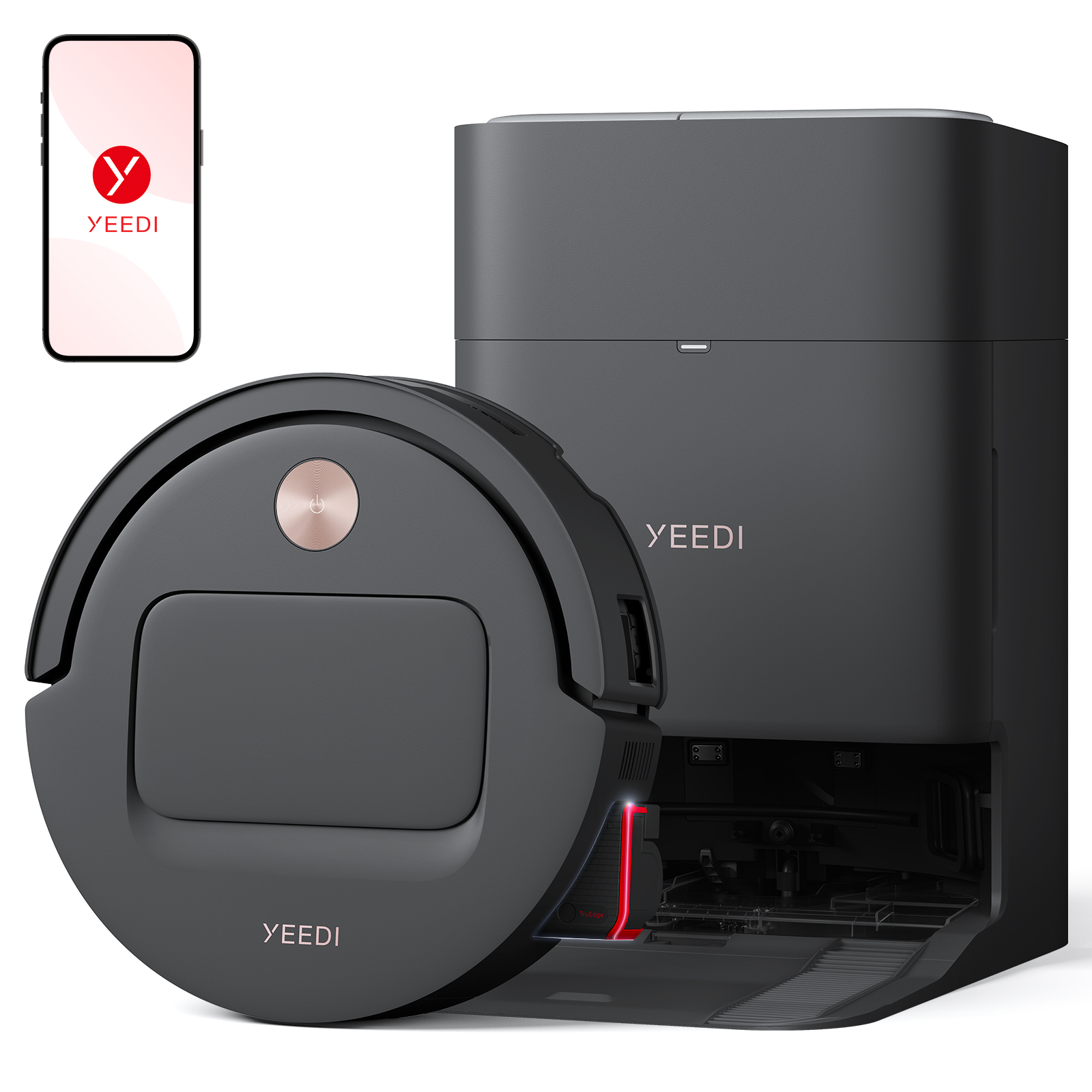
For buyers who want mopping taken seriously, the Yeedi M14 Plus stretches the budget tier to its upper limit. Its OZMO Roller delivers 4,000Pa of mopping pressure with instant self-washing, which means dirty water never sits on your floor. At 18,000Pa vacuum suction, it also outpulls everything else on this list by a comfortable margin. It’s technically a $600 robot, but frequent sales push it toward $350 territory.
Who should buy at this price: Renters, first-time robot vacuum buyers, and anyone with a predominantly hard-floor home under 2,000 square feet. The robots here handle daily maintenance cleaning beautifully. Where they genuinely fall short is deep carpet extraction, sophisticated obstacle avoidance with cameras, and the kind of edge mopping precision you get from extending mop arms. If those matter to you, the mid-range tier is where the gap closes.
What Actually Matters Under $350
Not every feature carries equal weight at this price. Here is where to focus your attention — and what to stop worrying about.
Navigation type is the single biggest quality indicator. LiDAR robots clean in efficient, methodical rows and build accurate maps. Gyroscope-only robots wander semi-randomly and miss spots on every run. Every pick on this list uses LiDAR or advanced visual navigation, but plenty of $150-200 robots on Amazon still rely on gyro sensors. If a budget robot does not explicitly advertise LiDAR or structured-light navigation, walk away.
Self-emptying changes the ownership experience more than suction power. The jump from manually emptying a dustbin every day or two to opening a disposable bag once a month is transformative — especially if you want the robot running on a schedule while you are at work. The N30 Omni and the RV30 Max Plus both include self-emptying docks at their price points, and this convenience alone justifies choosing them over a slightly higher-suction model that lacks a dock.
Ignore Pa numbers in isolation. Suction ratings are measured under laboratory conditions that bear little resemblance to a dirty kitchen floor. The MOVA S10 at 8,000Pa cleans hard floors effectively despite a seemingly modest number, because airflow design and brush-to-floor contact matter just as much. The Yeedi M14 Plus’s 18,000Pa is genuinely useful on carpet, but do not assume double the Pa means double the cleaning — it doesn’t work that way.
Battery life only matters past a threshold. Anything above 150 minutes covers homes up to about 1,800 square feet in a single run. The N30 Omni’s 320-minute marathon is impressive, but most budget buyers live in apartments or smaller homes where 200 minutes is already overkill. Prioritize features like dock type and obstacle handling over battery bragging rights.
Common Misconceptions About Budget Robot Vacuums
“You need to spend $500+ for a robot that maps your home.” This was true in 2023. Today, the MOVA S10 builds multi-floor LiDAR maps at $179. The mapping is not as feature-rich — you won’t get per-room cleaning schedules on every budget model — but the navigation quality itself is comparable to mid-range robots from two years ago.
“Budget robots can’t handle pet hair.” They can — with caveats. The RV30 Max Plus picks up pet hair on hard floors without issue, and its self-empty dock means the collected fur goes straight into a sealed bag rather than sitting in a dustbin releasing dander. Where budget robots genuinely struggle is embedded pet hair in medium-to-thick carpet, which requires both high suction and an anti-tangle brush design that this tier largely lacks. If pet hair on carpet is your primary concern, the pets guide covers dedicated solutions.
“Mopping on budget robots is a gimmick.” Mostly fair, with one exception. The basic vibrating mop pads on the S10 and RV30 do little more than dampen the floor — useful for light dust on tile, not for dried spills. The Yeedi M14 Plus is the outlier: its OZMO Roller genuinely scrubs with pressure, and the real-time self-wash mechanism keeps the roller clean mid-session. If mopping matters at this budget, the M14 Plus is the only pick worth considering.
“I should wait for a sale on a mid-range robot instead.” Sometimes, yes. The Ecovacs T30S Omni and Roborock Qrevo 35A occasionally dip below $400 during sales events, landing them dangerously close to this tier. If you are not in a rush, setting price alerts on those models is a legitimate strategy. However, the robots on this list are not compromised alternatives — they represent genuine value at their everyday price, and you will not feel cheated if a sale happens a month later.