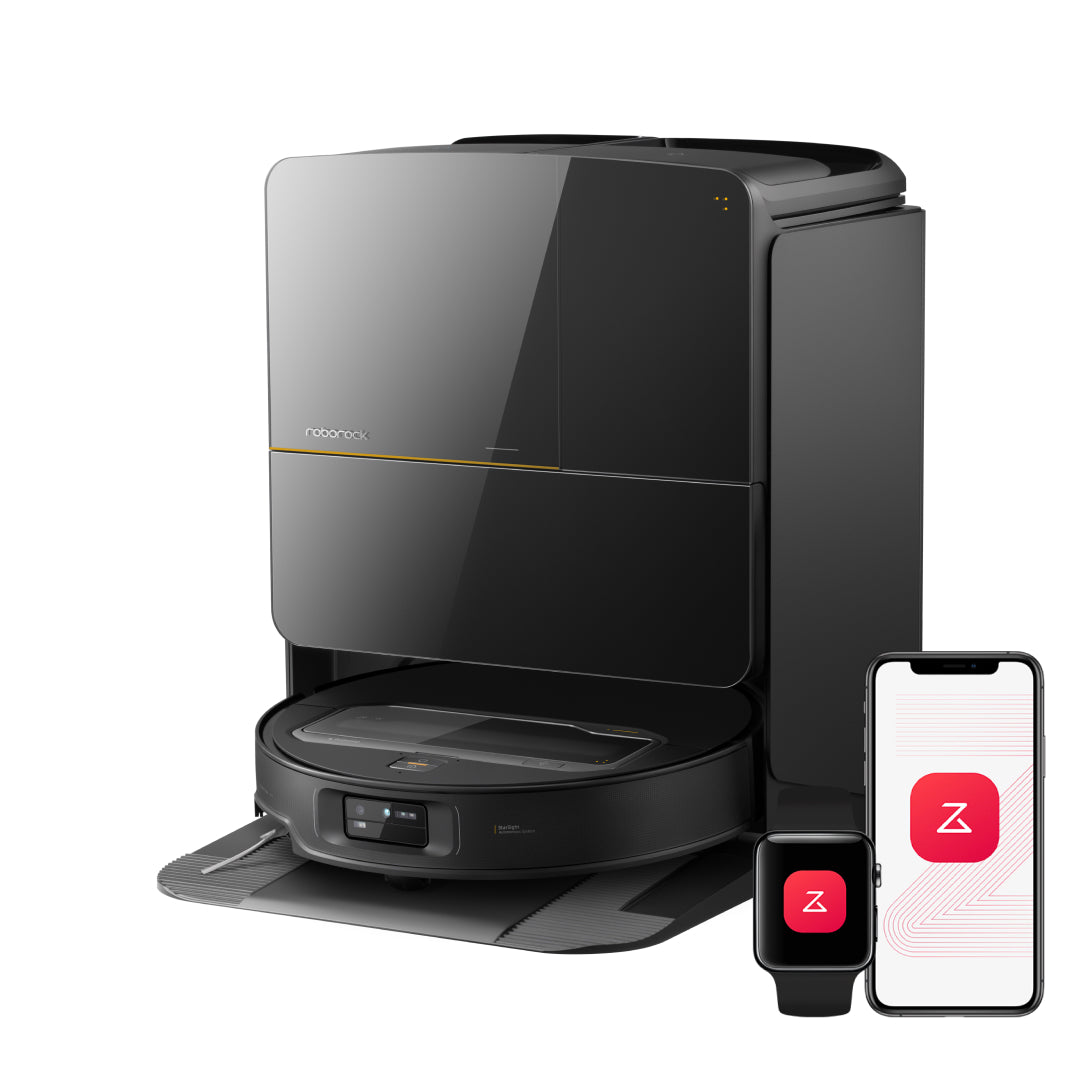
If the premium tier is where engineering gets clever, the $1,000 to $1,300 range is where it gets serious. Every robot here is designed to handle homes that punish lesser machines — multi-room layouts with door thresholds, thick carpets next to hardwood, kitchens with dried spills, hallways cluttered with shoes and cables. These are the robots reviewers reach for when they want to see what’s actually possible in 2026, and the results speak for themselves.
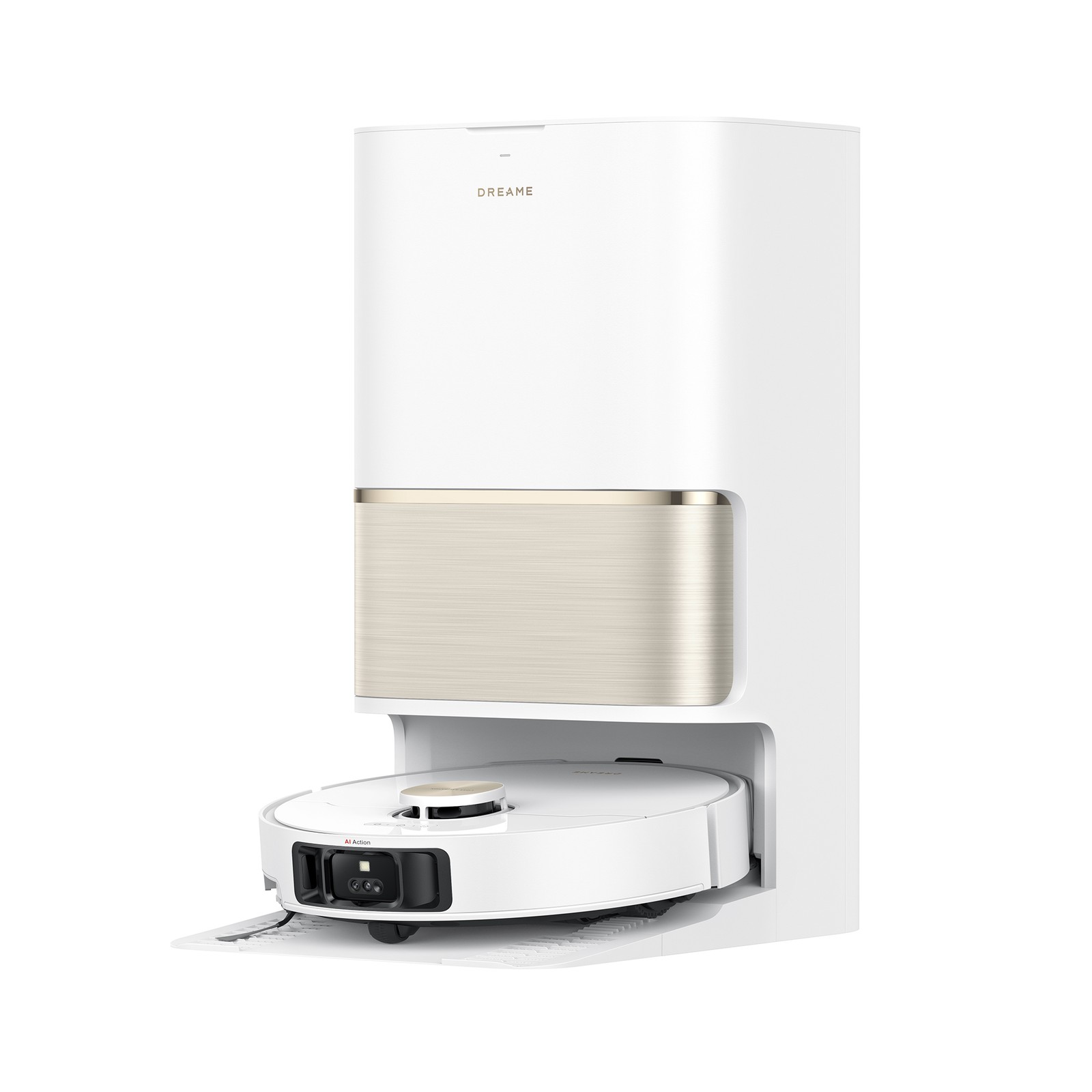
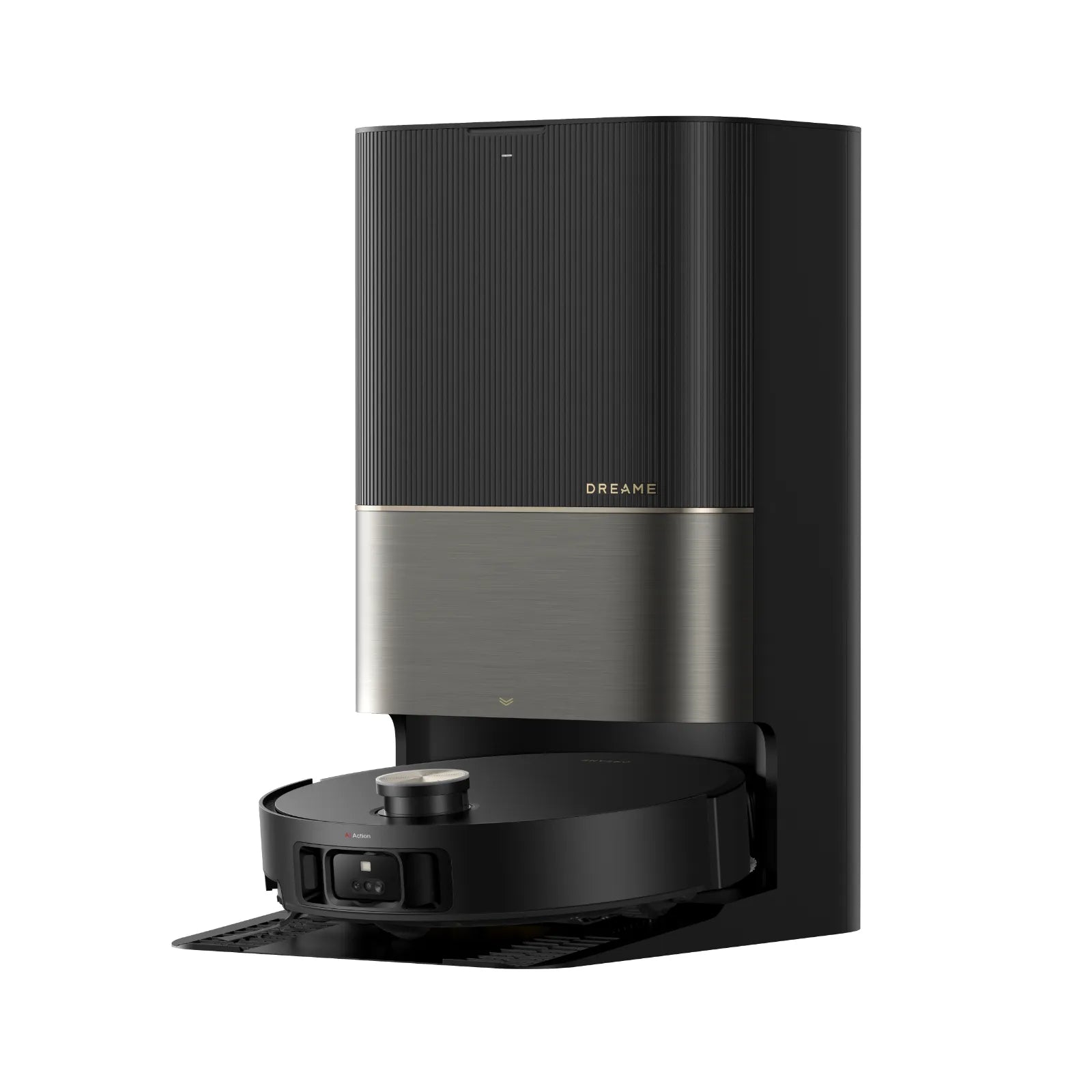
The Dreame L50 Ultra currently sits at the top of the Vacuum Wars Top 20 list, and it earned that spot through relentless real-world competence rather than any single flashy feature. ProLeap legs conquer thresholds up to 2.36 inches. The RGB camera with 3D structured light recognizes over 180 obstacle types. The retractable LiDAR drops the profile to 3.5 inches for under-furniture cleaning. And the 6,400mAh battery delivers the longest effective cleaning range of any robot tested. Where the L50 Ultra stumbles is mopping — on the lowest water setting, dried-on stains give it trouble. But as a vacuum-first robot that also mops competently, nothing else right now matches its breadth of capability.
The Dreame X50 Ultra approaches the same problems differently. Its ProLeap legs are identical, but the headline innovation is the VersaLift retractable LiDAR that drops the entire robot to 3.5 inches, plus 80-degree hot water mopping performed onboard — not in the dock, but on the floor as it cleans. The X50 Ultra recorded one of the best debris pickup scores ever measured, and the 220-minute battery rarely needs a mid-clean recharge. Edge cleaning is its weakness, leaving noticeable strips along baseboards that the L50 Ultra handles better with its Dual Flex Arm mop. Between the two Dreames, the L50 Ultra is the more complete package; the X50 Ultra is the more mechanically ambitious one.
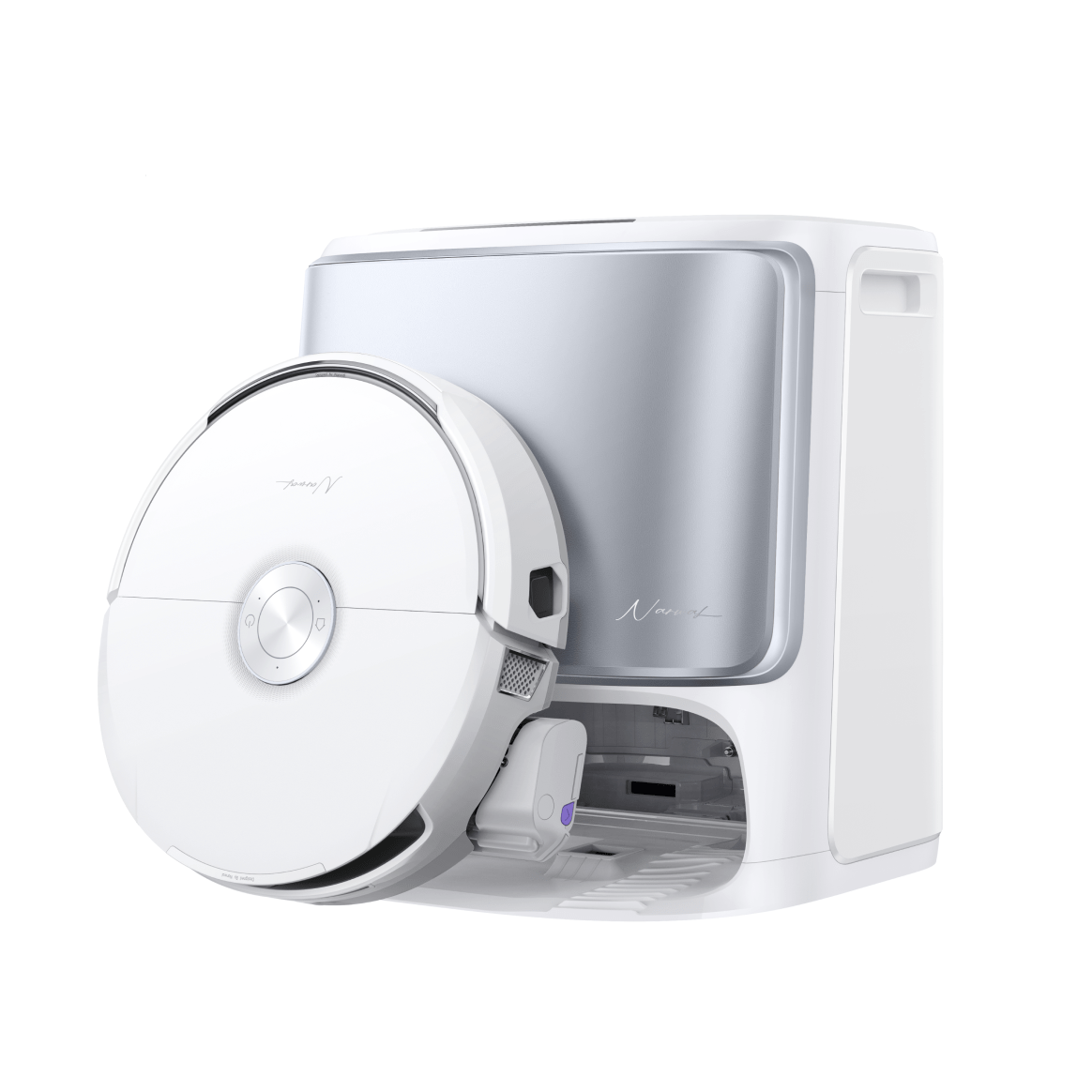
Narwal enters this tier with two distinct philosophies. The Narwal Flow brings FlowWash roller mopping that self-cleans in real-time with 113-degree warm water — the mop is literally never dirty while cleaning your floors. Combined with 22,000Pa suction and a 3.7-inch profile, it’s the strongest argument for roller-mop technology in this bracket. The dock’s 176-degree sterilization cycle is also the most thorough we’ve seen, cleaning not just the mop but the internal tanks and pipes. For homes where mopping performance matters more than anything else, the Flow is the pick.
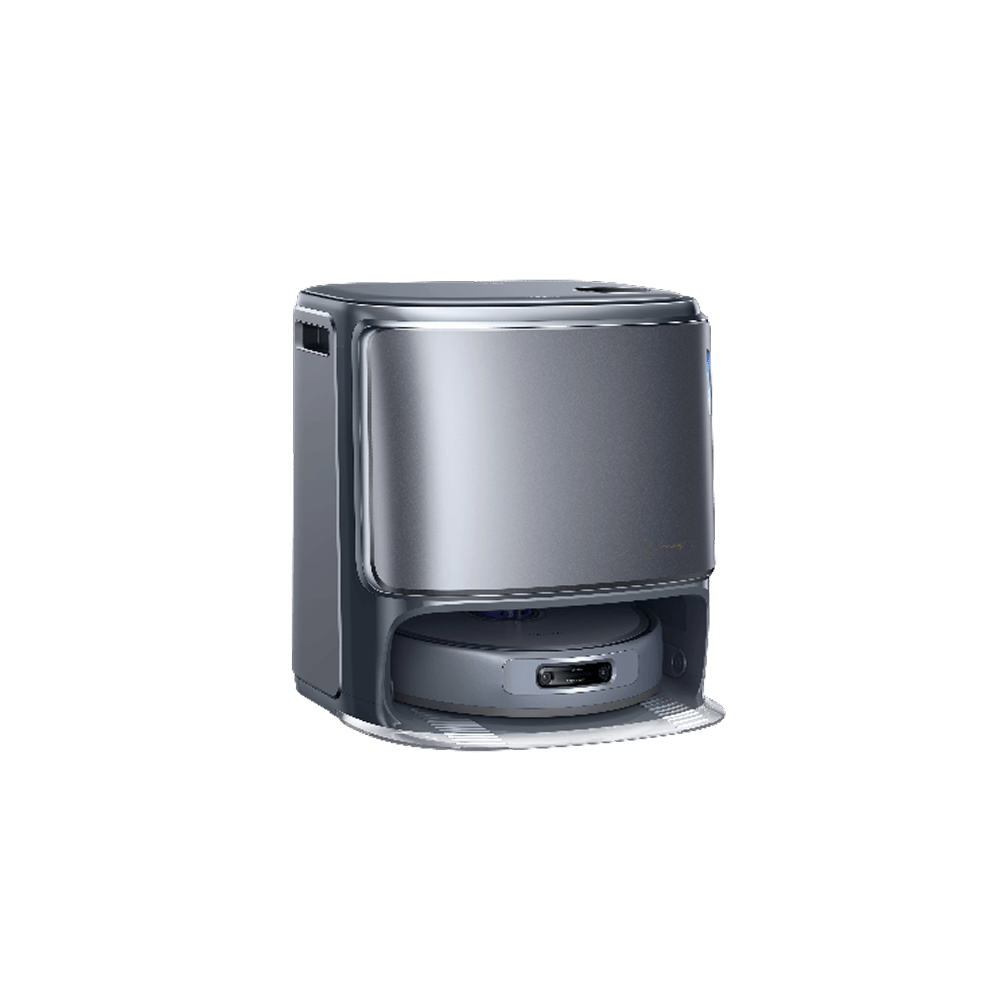
The Freo Z Ultra takes a quieter approach at just 58 dB — the softest cleaning sound in this tier. Its dual HD cameras with 120+ object recognition make it one of the most spatially aware robots available, and the AI-adaptive hot water system adjusts temperature based on what it detects on the floor. The tradeoff is real: 12,000Pa suction is genuinely below average at this price, and edge mopping leaves 2-3 inch gaps along walls. In carpeted homes, that suction deficit matters. In hard-floor apartments where you want a robot that cleans quietly during work-from-home hours, the Freo Z Ultra earns its price.
The Roborock Saros Z70 rounds out this tier at the upper boundary. Strip away its headline OmniGrip mechanical arm — which succeeds roughly half the time and feels more proof-of-concept than production-ready — and you still have arguably the best-cleaning vacuum available, with 22,000Pa suction, recognition of over 108 object types, and a 3.14-inch profile. The arm will improve with future generations. The cleaning underneath it is already excellent.
The honest tradeoff: At this price, you’re paying for capability you may never fully use. If your home has no thresholds, no under-furniture gaps, and mostly hard floors, a $550 mid-range robot handles daily cleaning just as well. This tier justifies itself in complex homes where architectural quirks — sills, transitions, low clearances — turn simpler robots into expensive frustrations.