Something changes between $700 and $1,000. Below this range, robot vacuums compete on specs — more suction, hotter water, bigger batteries. Above it, they compete on mechanical ideas that no amount of firmware updates can replicate. This is the tier where you start seeing designs that solve problems differently, not just harder.
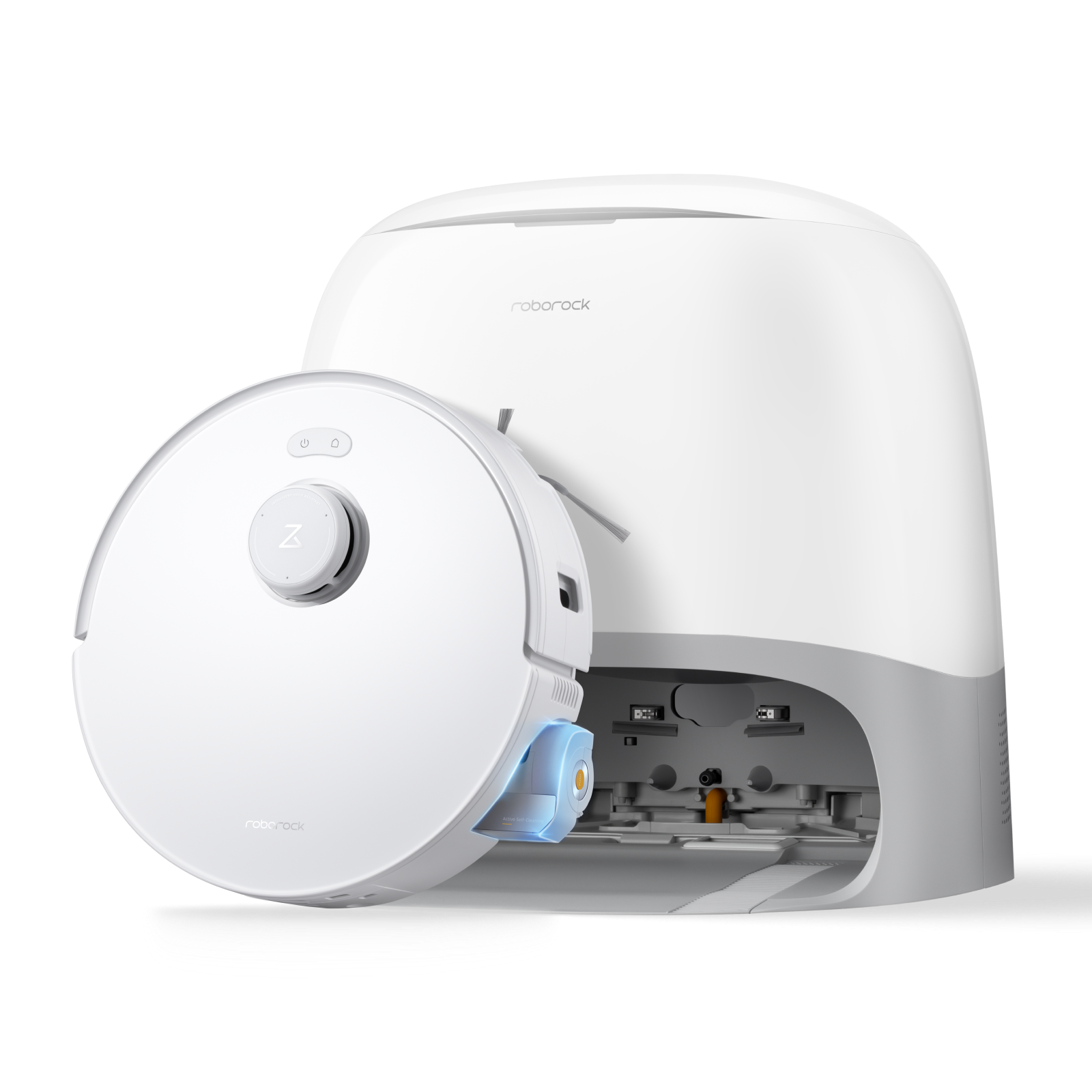
The Roborock Qrevo CurvX exemplifies this shift. Its 3.14-inch profile with the AdaptiLift chassis is an engineering statement: slim enough to clean under furniture that blocks every standard-height robot, yet capable of lifting itself over 4cm thresholds on the way to the next room. Pair that with 22,000Pa suction and a 176-degree hot water dock, and you have a robot that reaches places others physically cannot and cleans them thoroughly once it arrives. The missing RGB camera limits obstacle avoidance, which matters if your floors tend to be cluttered, but in homes with generally clear pathways, the CurvX is the most practical robot in this tier.
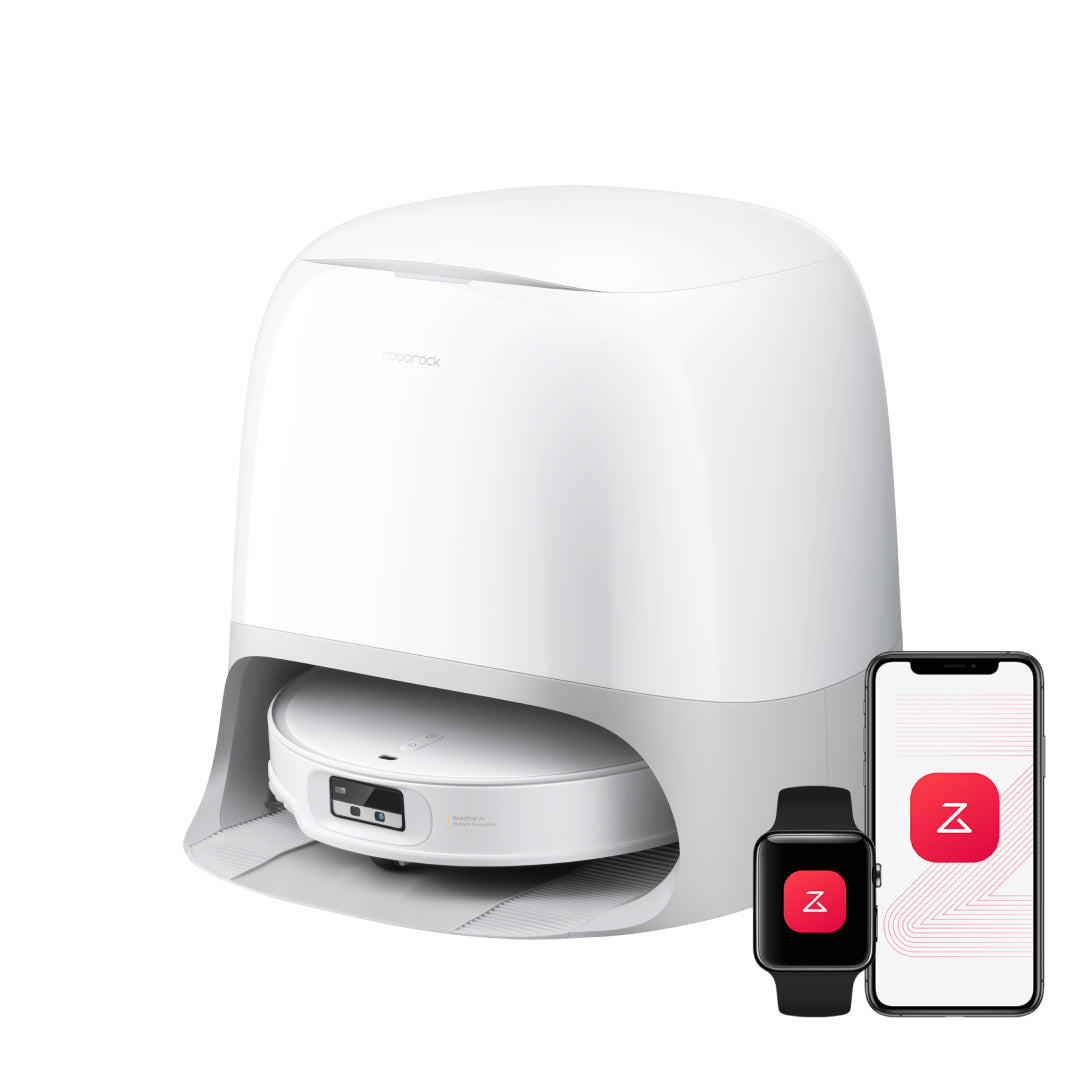
Roborock’s other entrant, the Qrevo Curv 2 Flow, takes a different approach. It’s the company’s first roller-mop robot, using a SpiraFlow system that self-cleans with fresh water during operation so dirty water never redistributes across your floors. On paper, that sounds transformative. In practice, Vacuum Wars found the mopping disappointing — scoring just 25 points on dried stains against a 112-point average. The vacuum side is excellent at 20,000Pa with a 272-minute battery, and the 15mm mop lift with a physical water-blocking guard provides the best carpet protection of any roller-mop robot. But buyers expecting roller-mop performance on par with Ecovacs or Narwal should calibrate their expectations.
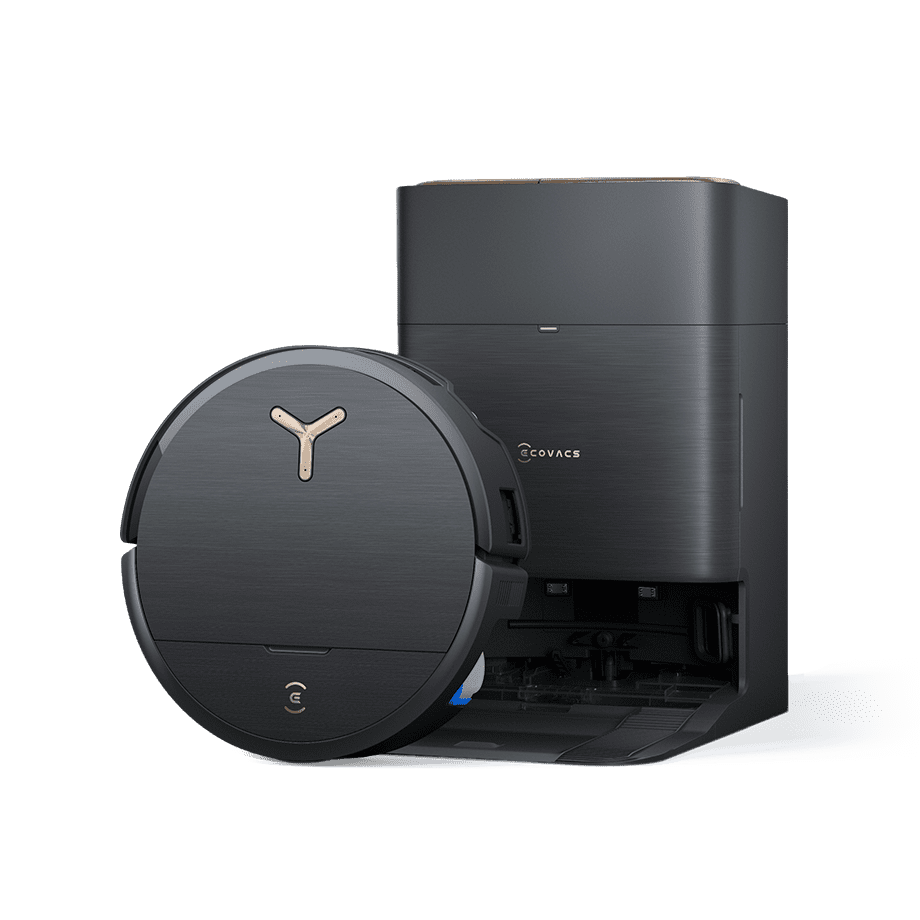
Speaking of Ecovacs, the X9 Pro Omni occupies the upper edge of this bracket and arguably doesn’t belong in it — it frequently sells above $1,000. When it does dip below that mark, though, it becomes the most compelling mopping robot money can buy. Its OZMO Roller earned the highest mopping score ever recorded at Vacuum Wars (4.95 out of 5), and the instant self-wash mechanism means the roller stays clean throughout every run. The vacuum suction reads 16,600Pa on paper, but Ecovacs measured the highest sealed suction among 2025 flagships at 2.76 kPa, meaning real-world pickup runs closer to robots claiming 20,000Pa.
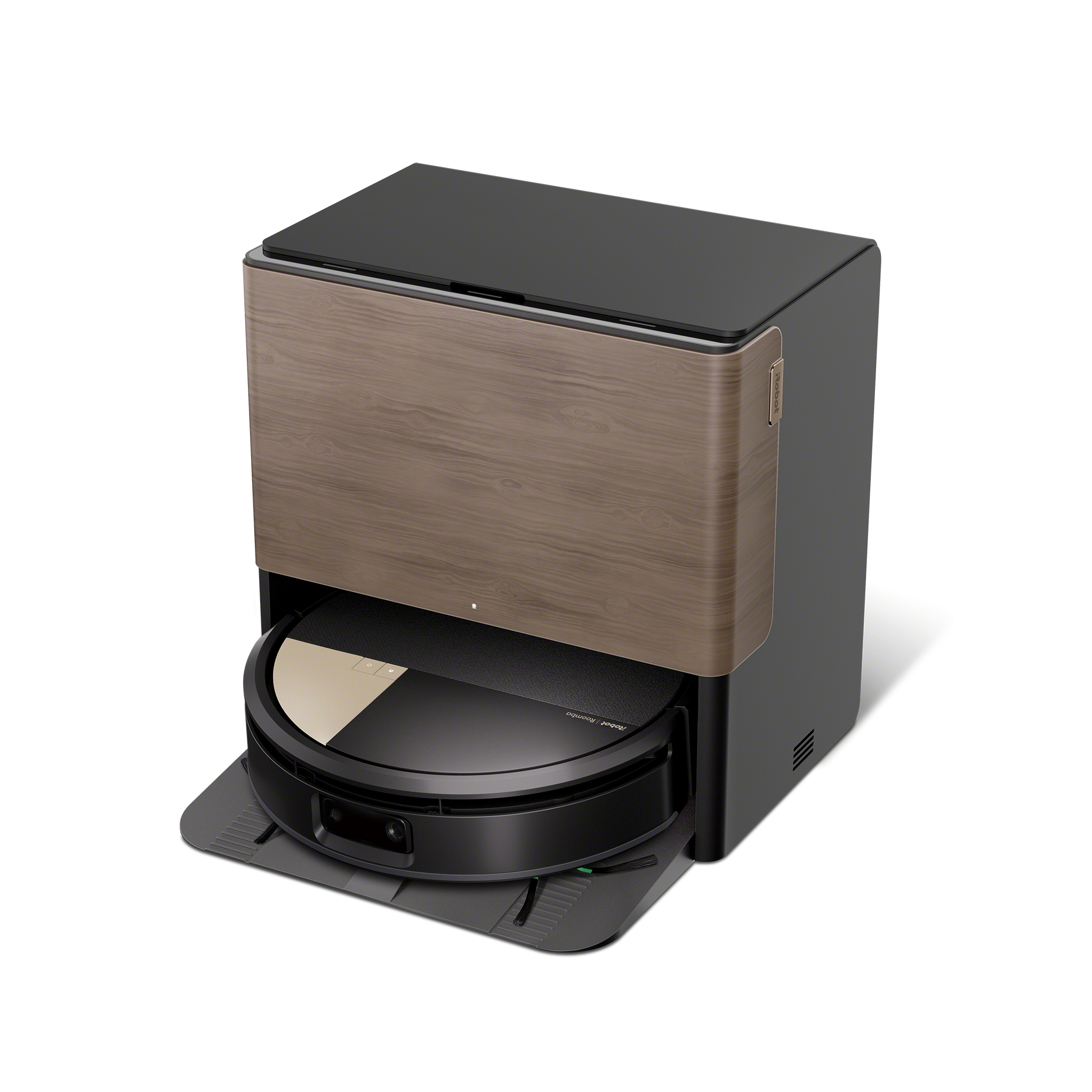
The iRobot Roomba Max 705 Combo is the pick for households that want the best obstacle avoidance in the business and will pay for it. PrecisionVision AI with dual cameras recognizes 80+ obstacle types, and the PowerSpin Roller Mop with its retractable protective cover is genuinely clever — it physically shields the carpet from a wet mop rather than just lifting it. iRobot’s 13,000Pa suction trails Chinese competitors, but the dual rubber brush rollers remain the gold standard for pet hair, and Matter compatibility means native support in Apple Home without workarounds.
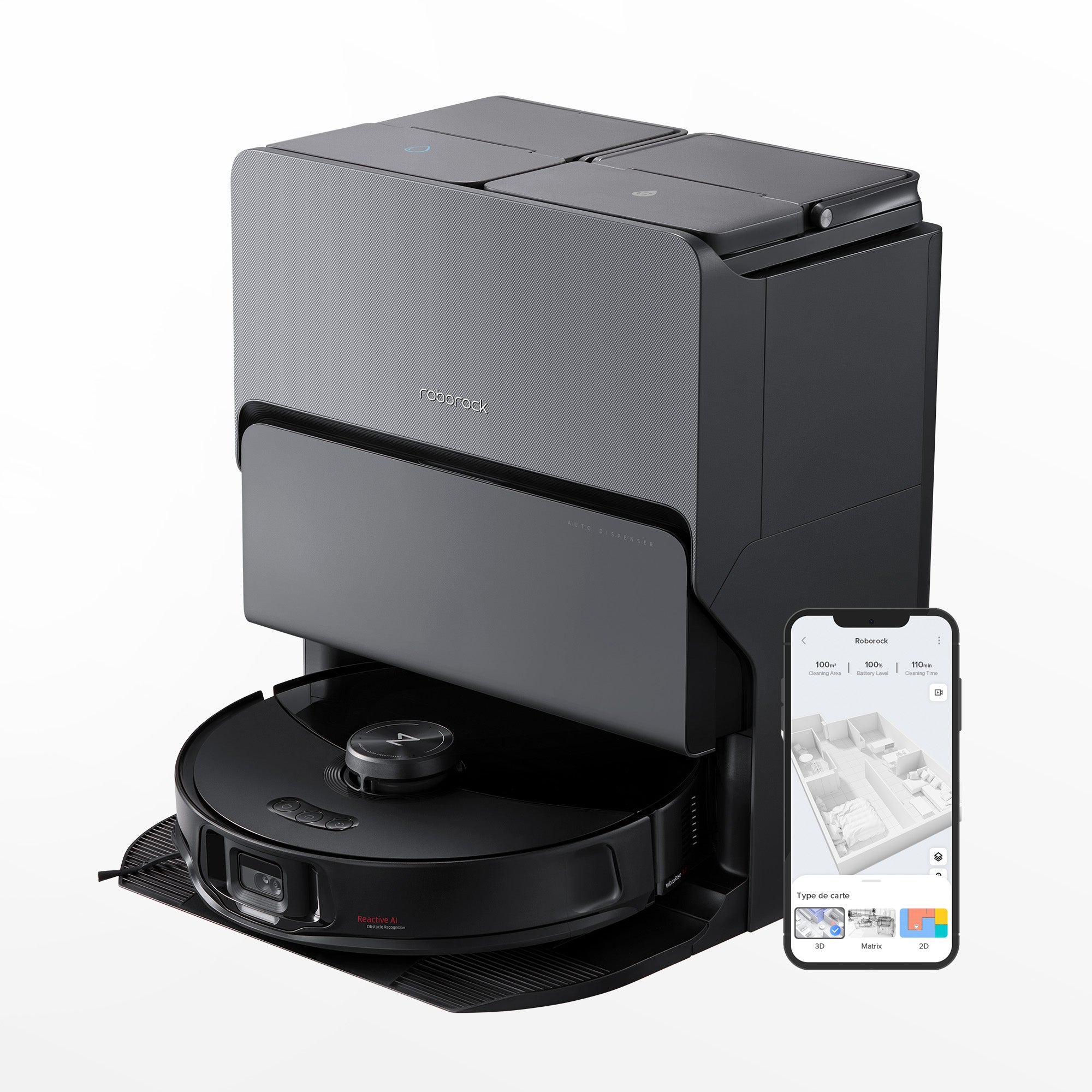
The Roborock S8 MaxV Ultra rounds things out as the previous-generation benchmark. At its original $1,799 MSRP it was hard to recommend, but at the $899-$949 street prices now common, its auto detergent dispenser and optional plumbed drainage system offer something no other robot here can match: the ability to connect directly to your plumbing and never refill or drain water manually again.
Who this tier is for: Homeowners with specific layout challenges — low furniture, door thresholds, mixed flooring — who need a robot that adapts mechanically, not just through software. If your home is a straightforward open plan with hard floors, you can save $200-400 in the mid-range tier and barely notice the difference. But if you’ve ever watched a robot vacuum get stuck on a door track or miss the dust bunnies under your couch, this is where those frustrations get solved.