A robot vacuum’s headline suction number tells you almost nothing about how well it cleans carpet. Two robots with identical Pa ratings can deliver wildly different results depending on brush roll geometry, airflow path design, and whether the carpet boost mode actually increases suction or just spins the brush faster. After comparing these six models on low, medium, and thick pile carpet, the differences are far more nuanced than the spec sheets suggest.
Understanding suction ratings (and why they mislead)
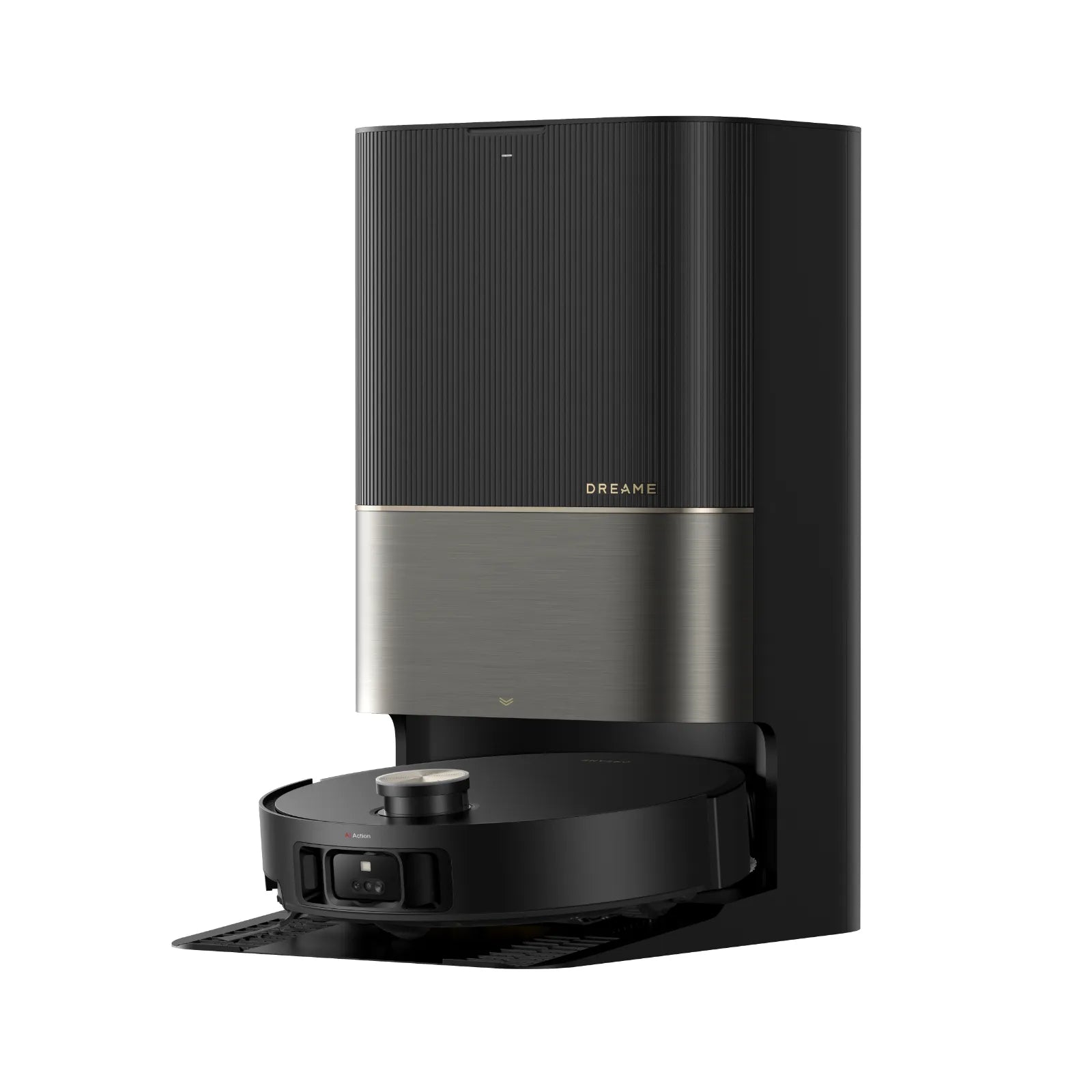
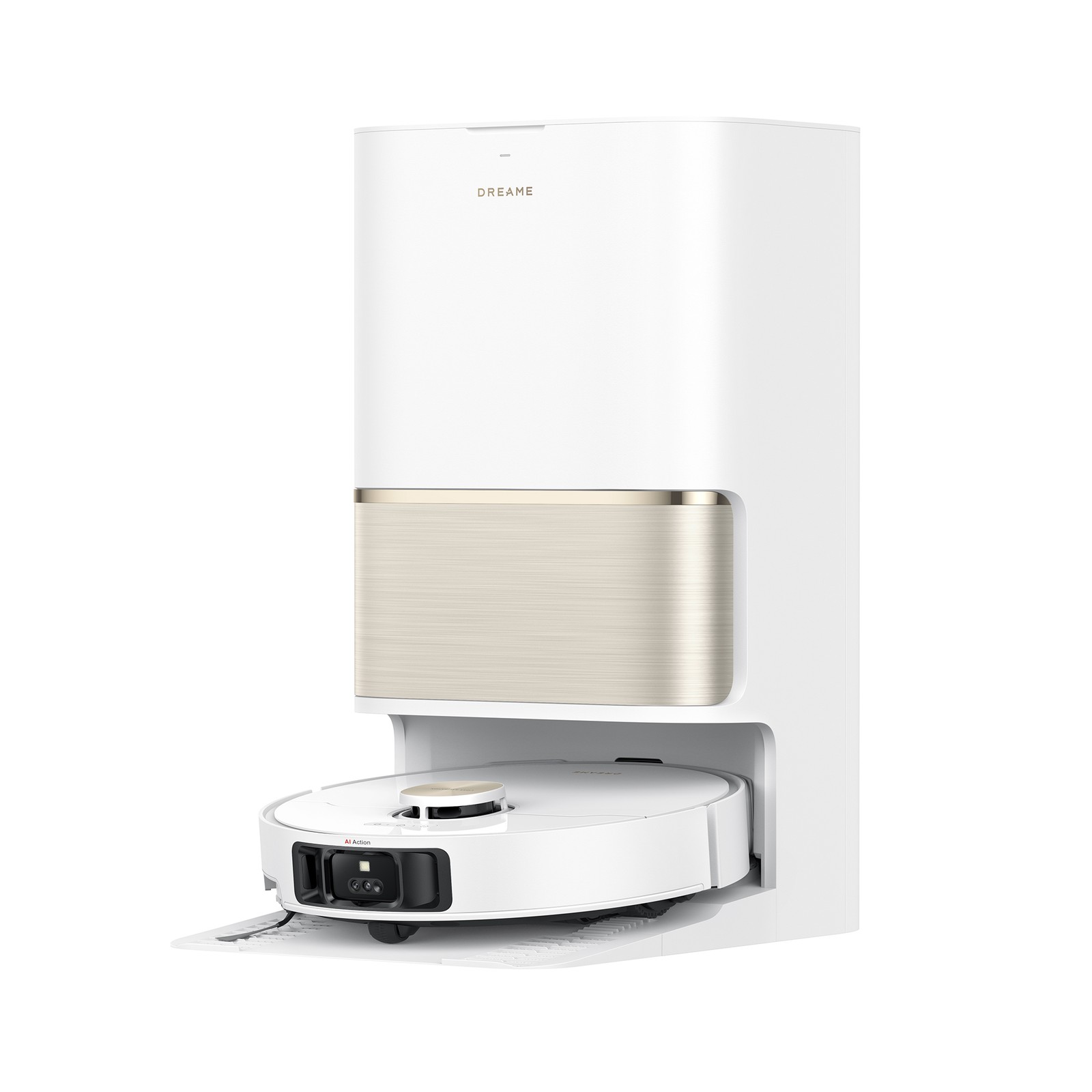
Pa ratings measure raw motor suction in a sealed tube — not cleaning effectiveness on actual carpet. The Dreame X60 Max Ultra Complete’s 35,000Pa headline is impressive on paper, but for most carpet types, returns diminish sharply above 15,000Pa. What matters more is sealed suction (measured in kPa), which reflects how well the vacuum maintains airflow when pressed against a surface. The T30S Omni only claims 10,000Pa but Ecovacs robots historically measure respectable sealed suction values, partially closing the gap with higher-rated competitors.
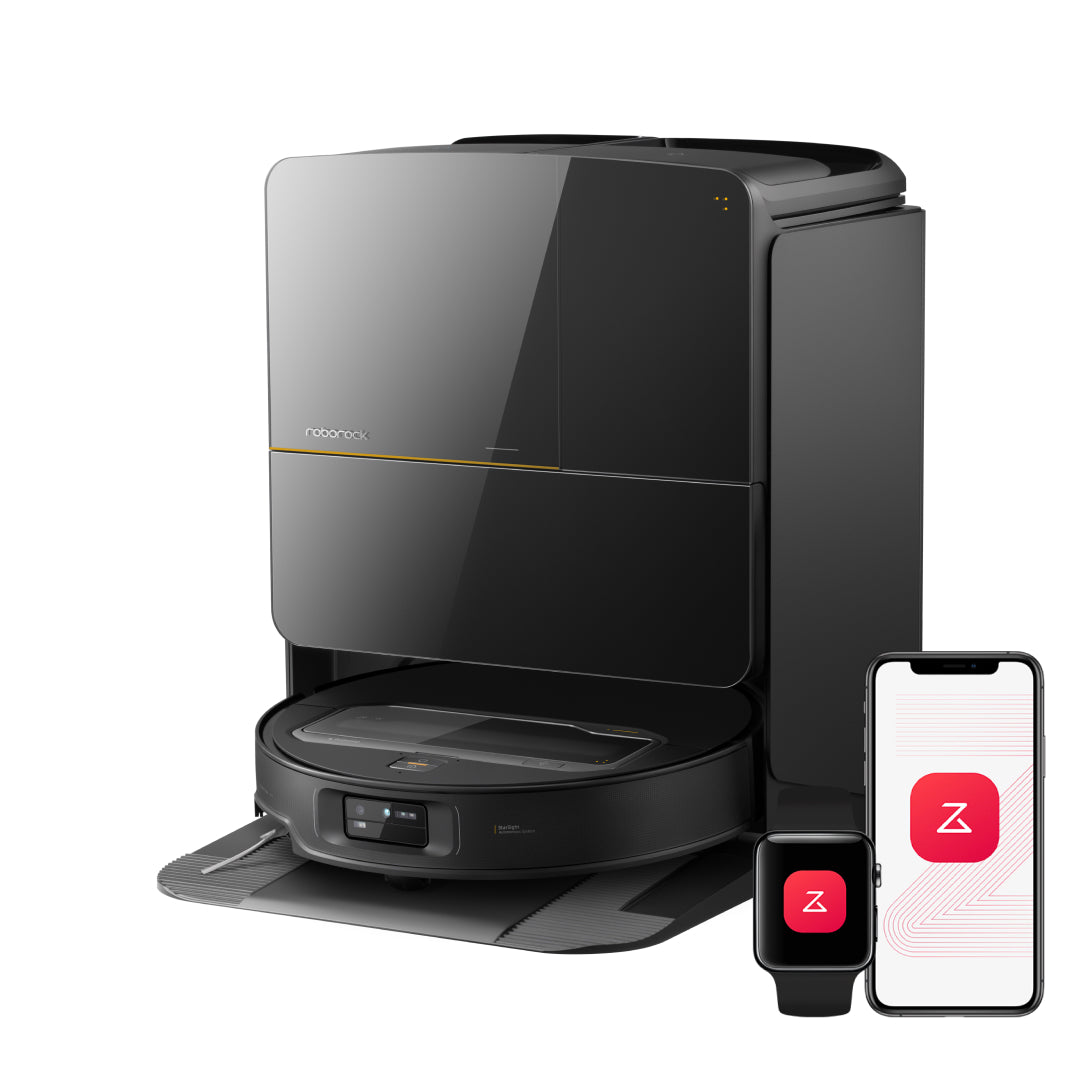
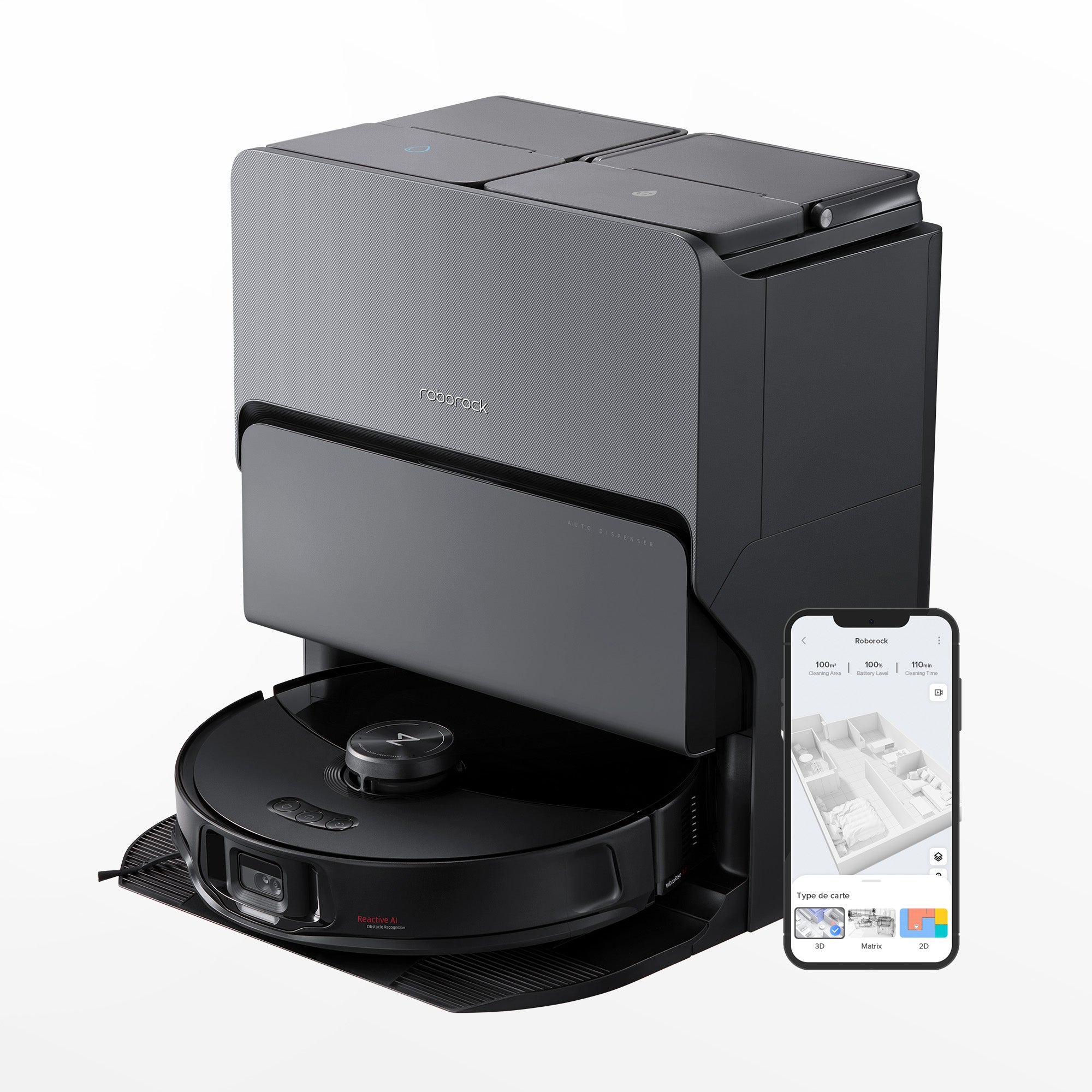
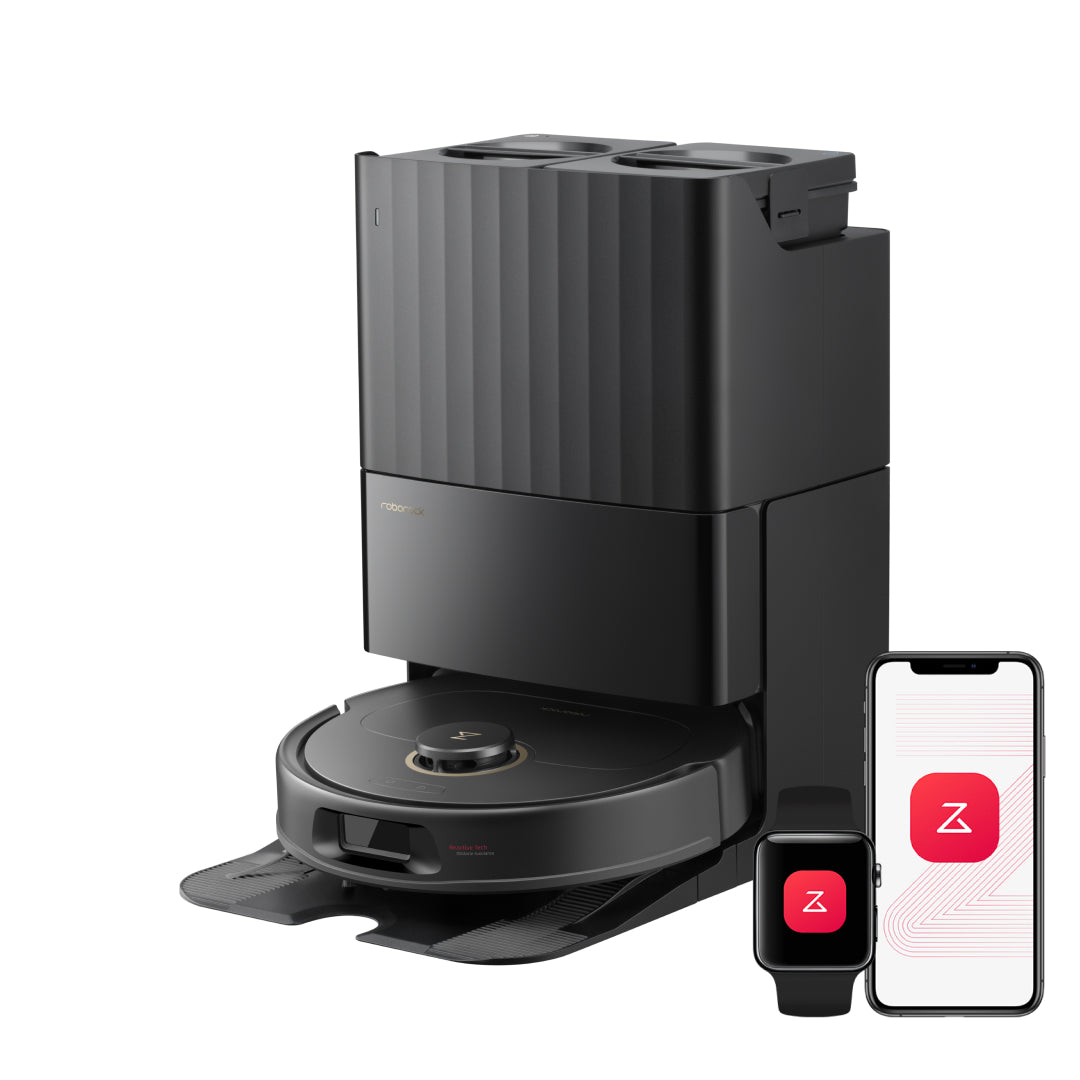
That said, raw power does matter on thick pile. The Saros Z70 and the X50 Ultra both deliver 22,000Pa and 20,000Pa respectively, and their deep-clean scores on medium-pile carpet reflect it. The Qrevo S5V is a sleeper pick here — at 12,000Pa it recorded a 92% embedded sand removal rate on medium pile, which outperforms some robots rated at double its suction.
Brush roll design: the overlooked variable
Dual rubber extractors outperform bristle brushes on carpet, full stop. This is why pet owners with carpet especially benefit from the right brush design. Bristles push debris deeper into fibers during the initial contact before pulling it up, while rubber strips maintain contact and agitate without that push-down effect. The S8 MaxV Ultra’s dual rubber brush is still one of the best carpet-cleaning mechanisms in the market despite the robot’s age, which explains why it remains competitive with newer, higher-suction models.
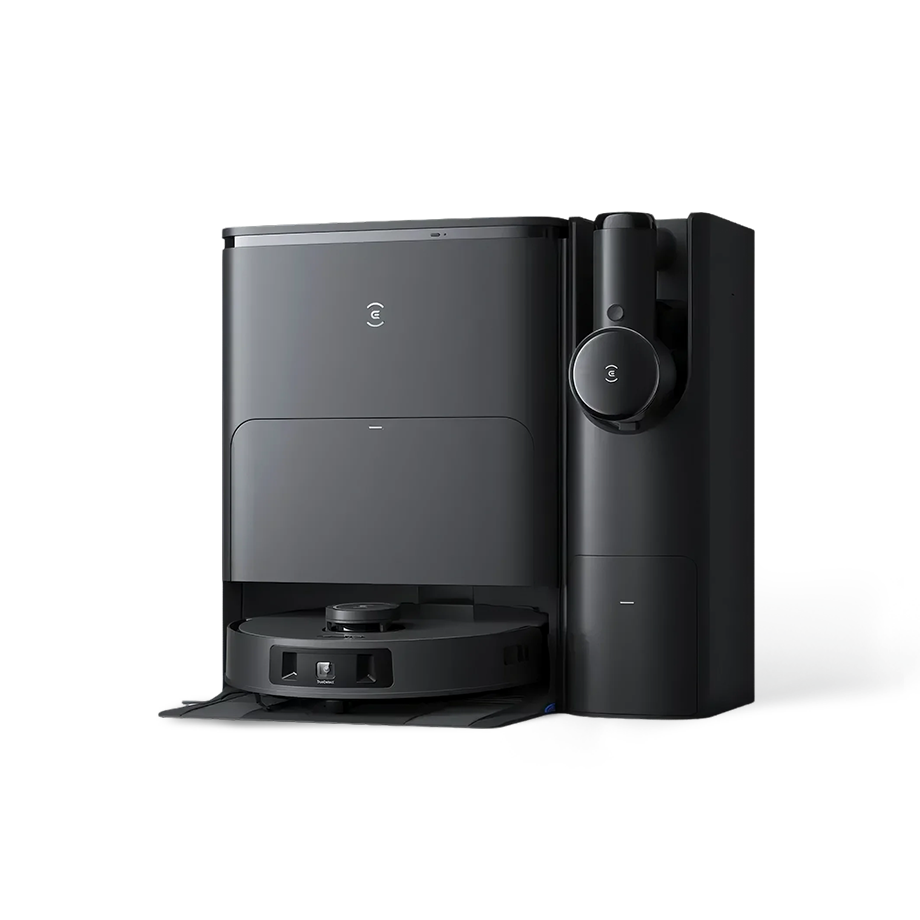
The X50 Ultra pairs high suction with Dreame’s ProLeap chassis, which matters if your home has raised carpet transitions or door tracks between rooms — the retractable legs step over thresholds that stop other robots mid-run. No suction rating helps if the robot cannot reach the carpet in the next room.
Carpet boost and mop-lift: protecting what you paid for
Automatic carpet detection is table stakes in 2026, but the quality of the response varies. When these robots detect carpet, two things should happen: suction increases, and the mop lifts or retracts to avoid soaking the fibers. The S5V lifts its mop pads 10mm, which clears low-pile carpet but can drag on thicker rugs. The X50 Ultra uses VersaLift to retract both LiDAR and mop, keeping a clean profile. The Saros Z70 pairs its AdaptiLift chassis with spinning pad lift, giving it one of the most complete carpet-protection systems available.
The T30S Omni detects carpet and lifts reliably, but its 10,000Pa suction in boost mode is simply outgunned by newer mid-range options that start at 12,000Pa. It remains a solid choice for low-pile homes, though.
Pile height: the spec nobody checks (but should)
Most robot vacuums work beautifully on low-pile carpet (under 0.5 inches) and adequately on medium-pile (0.5-0.75 inches). Thick pile and shag carpet — anything above 0.75 inches — is where things fall apart. The robot’s wheels sink, the brush roll cannot maintain consistent contact with the fiber tips, and runtime drops dramatically because the motor works harder against the resistance. Some robots simply stall out.
The X50 Ultra handles medium-to-thick transitions better than most because its ProLeap chassis adjusts ride height dynamically. The Z70’s slim 3.14-inch profile actually works against it on very thick carpet — it sits lower to the pile and can lose traction on shag above one inch. The S8 MaxV Ultra, despite its older platform, uses larger wheels that maintain grip on thicker carpet better than the slim-profile newcomers.
If your home has genuine shag carpet or ultra-thick rugs, be honest with yourself: no robot vacuum replaces an upright on pile heights above one inch. A robot can maintain the surface between deep cleans, but extracting embedded dirt from deep shag requires the kind of sustained, manual pressure that autonomous machines simply cannot replicate yet.
Transition strips and room-to-room coverage
A robot that cleans carpet brilliantly but cannot cross the metal transition strip between your hallway and bedroom is only useful for half your home. Threshold height tolerance varies significantly: most budget and mid-range robots handle up to 1.5-2cm (about 0.75 inches), which covers standard T-molding between rooms. The X50 Ultra’s retractable legs push this to 6cm (2.36 inches), clearing raised thresholds, sliding door tracks, and even bathroom step-ups that stop every other robot.
The practical implication is worth considering during setup. If your home has raised transitions, map out their heights before purchasing. A robot that requires you to add ramps or remove thresholds is not truly autonomous — it just moves the maintenance from vacuuming to home modification.
Our practical take
For homes with mostly medium-pile carpet, the S5V offers the best value — that 92% sand removal score at around $549 is hard to argue with. Thick-pile or mixed-surface homes benefit from the X50 Ultra’s combination of raw suction and obstacle traversal. And if budget is flexible and you want the highest-performing carpet vacuum available, the Z70’s 22,000Pa suction paired with 108-object-type avoidance means it rarely misses a spot and never gets stuck on the way there.
Frequently Asked Questions
Does carpet boost mode wear out carpet faster? Not meaningfully. The increased suction pulls air through the fibers more aggressively, but the brush roll speed increase is modest — typically 10-20% above standard mode. Modern rubber extractors are also gentler on carpet fibers than the stiff bristle brushes older models used. You would need to run carpet boost daily for years before noticing any difference in fiber wear, and by then the carpet would show foot traffic wear long before vacuum damage.
Should I run the robot with or without the mop pads on carpet? Without, if your robot supports pad removal or auto-detach. Even with mop-lift engaged, residual moisture on the pad can transfer to carpet fibers during docking or if the lift mechanism fails mid-run. The X50 Ultra and Z70 both lift mop pads high enough that this is rarely an issue in practice, but removing the pads entirely eliminates the risk. Some docks — like the T30S Omni’s — automatically wash and dry the pads, so you can reattach them when you schedule a hard-floor-only run.
Can a robot vacuum replace professional carpet cleaning? No. Robot vacuums handle surface-level and lightly embedded debris — dust, crumbs, pet hair sitting in the upper third of carpet fibers. Professional hot water extraction reaches the carpet backing and removes oils, allergens, and stains that no consumer vacuum touches. Think of the robot as daily maintenance that extends the interval between professional cleanings from every 6 months to every 12-18 months, depending on household traffic.
My carpet has dark colors — will the robot’s sensors detect it? Dark carpet confused infrared cliff sensors on older robots, causing them to avoid certain areas entirely because the sensor read the dark surface as a ledge. This is largely solved on modern LiDAR-navigation robots. All six models on this list handle dark carpet without issues. However, very dark area rugs with fringed edges can still cause hesitation on some models — the fringe triggers obstacle avoidance rather than the color.