Hardwood floors are unforgiving. Every streak shows, every grit particle left behind is a future scratch, and too much water warps the finish over time. The robot vacuum you choose for hardwood needs to do more than vacuum well — it needs to mop intelligently, control water output precisely, and move without dragging debris across your finish. This is where the mopping system matters more than the suction number on the box.
Roller mops vs. spinning pads: a real difference
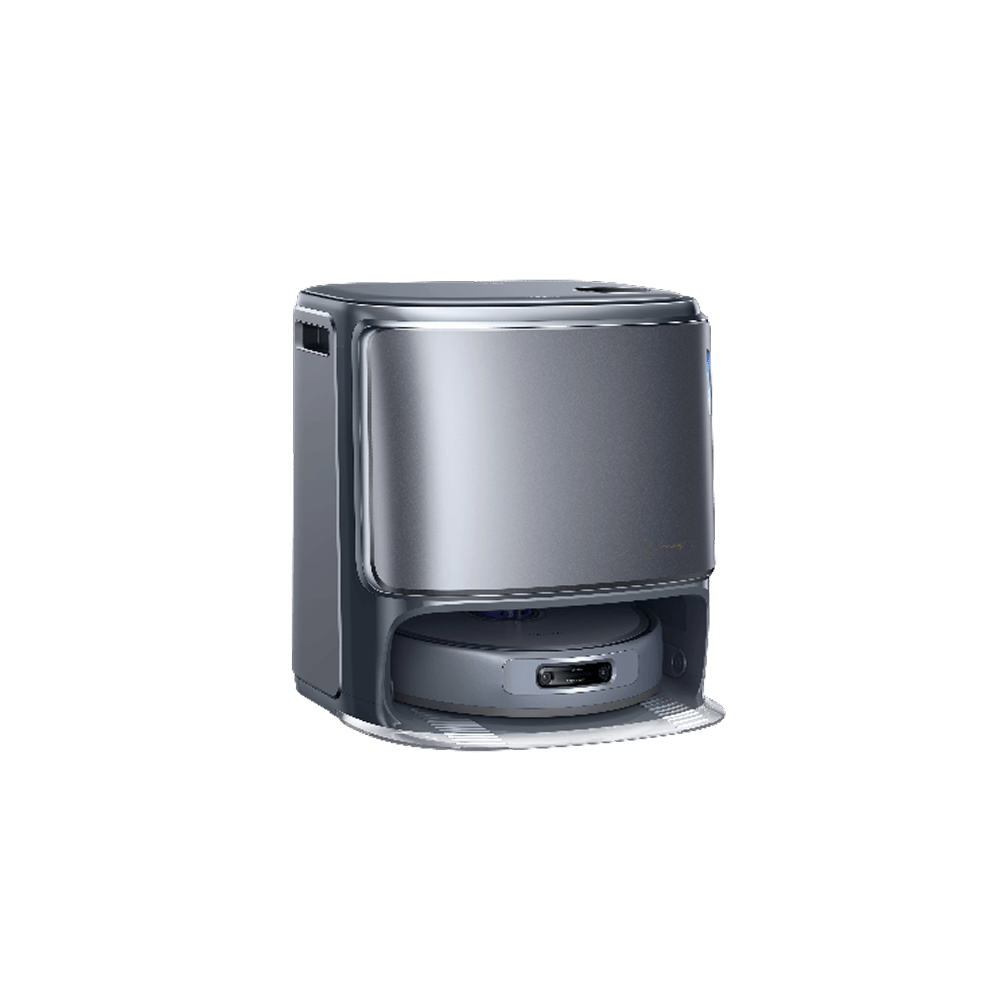
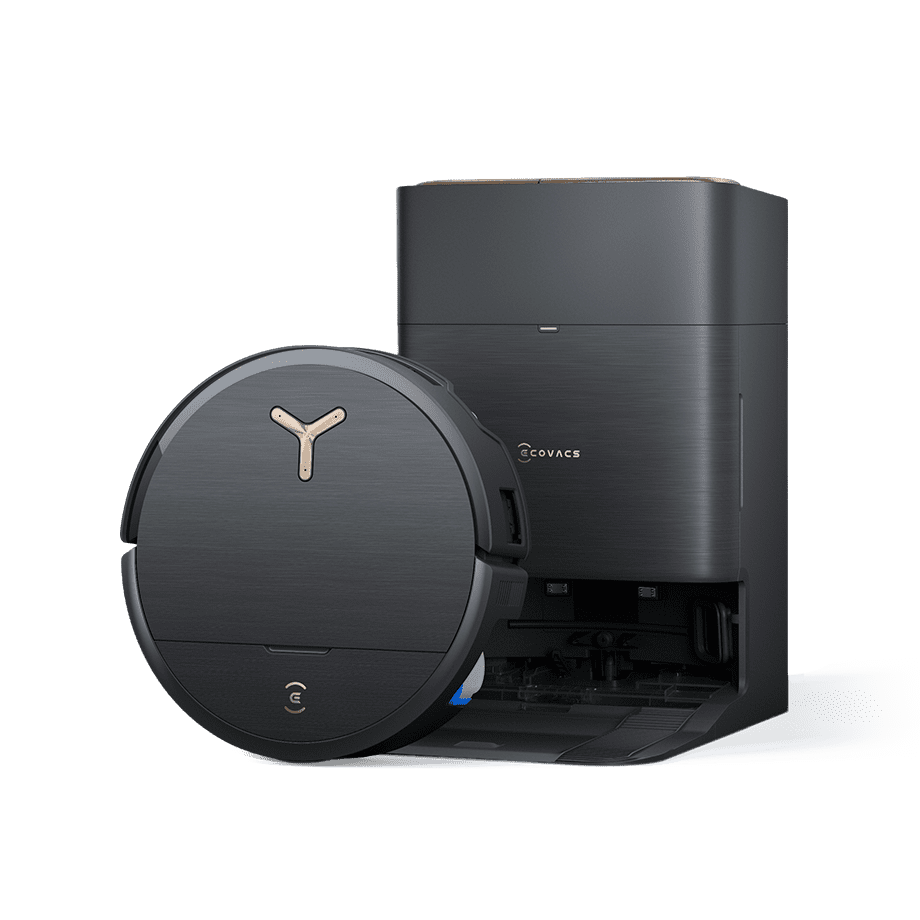
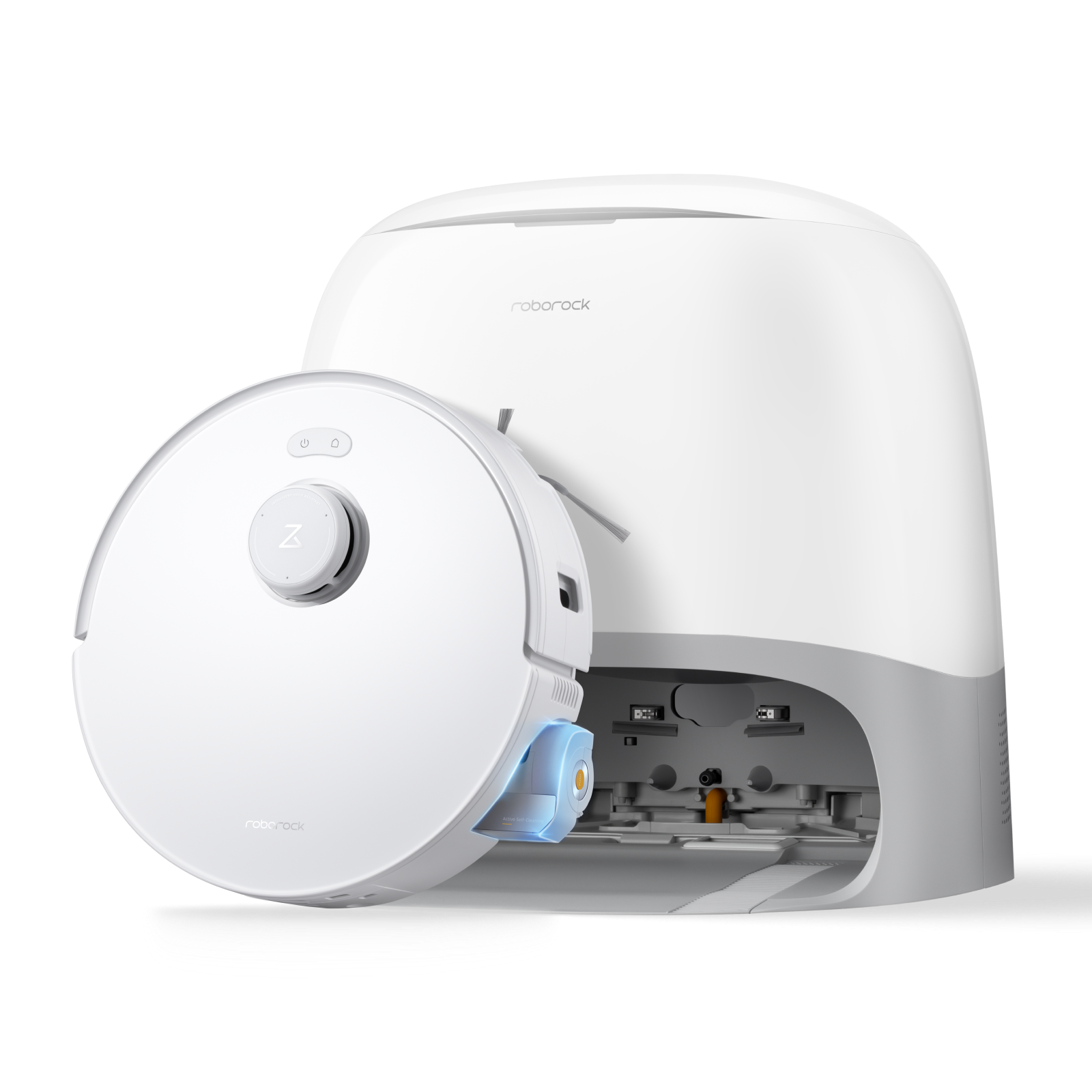
The most meaningful split in robot mopping technology right now is between roller mops and spinning pads. Roller mops — used by the Ecovacs X9 Pro Omni, the Narwal Flow, and the Roborock Qrevo Curv 2 Flow — scrub the floor with a cylindrical roller that continuously self-cleans during operation. Dirty water gets extracted into a separate tank rather than smeared across the next section of floor. The X9 Pro Omni holds the highest mopping score ever recorded at Vacuum Wars (4.95 out of 5), and that score was earned largely on hard floors where its OZMO Roller shines.
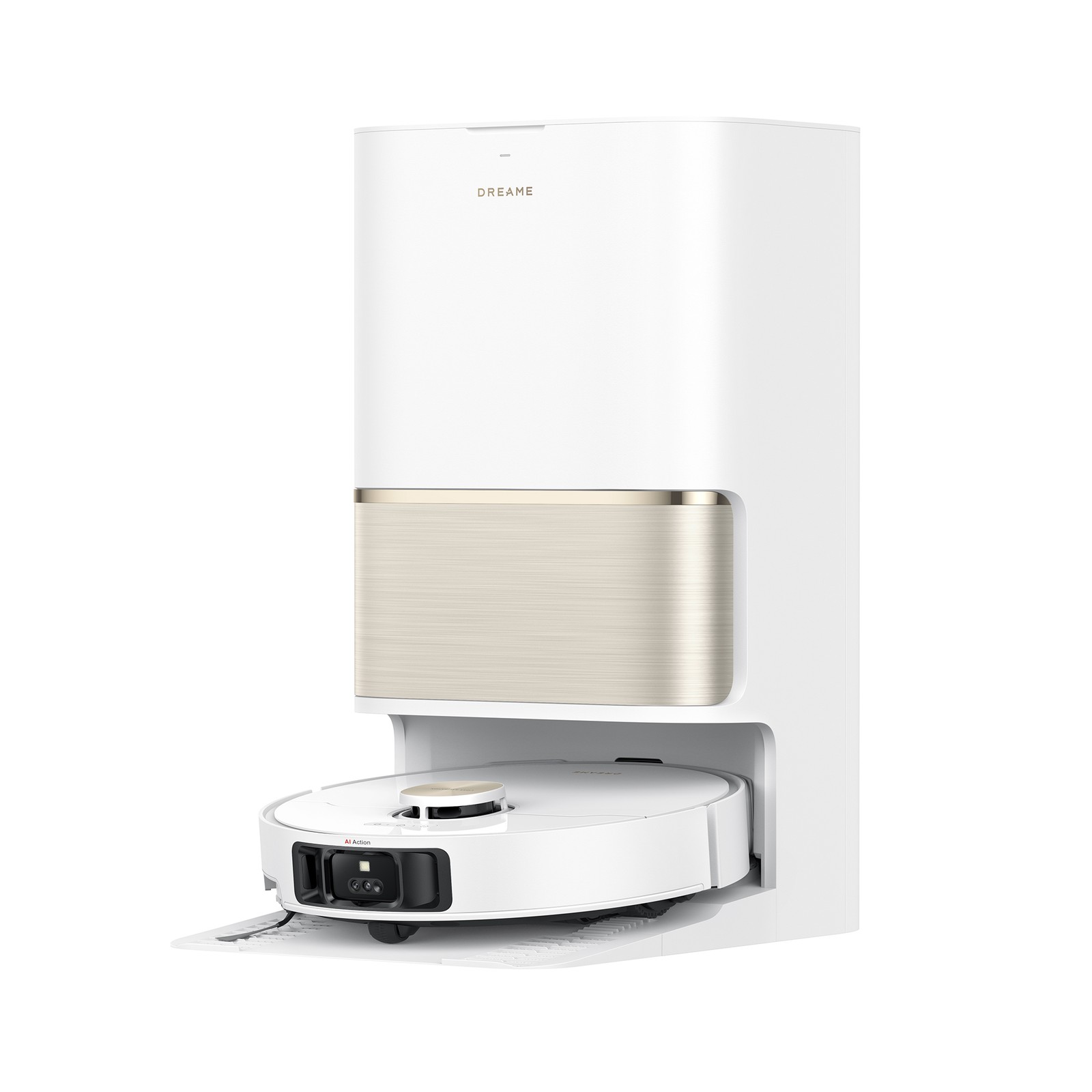
Spinning pad robots like the L50 Ultra and the X60 Max Ultra Complete take a different approach. Dual pads rotate at high speed with downward pressure, which is effective for general maintenance but inherently drags some dirty water forward before lifting off the floor. For daily upkeep on sealed hardwood, spinning pads are perfectly adequate. For kitchens with dried coffee rings or bathrooms with soap residue, the roller mop difference becomes obvious.
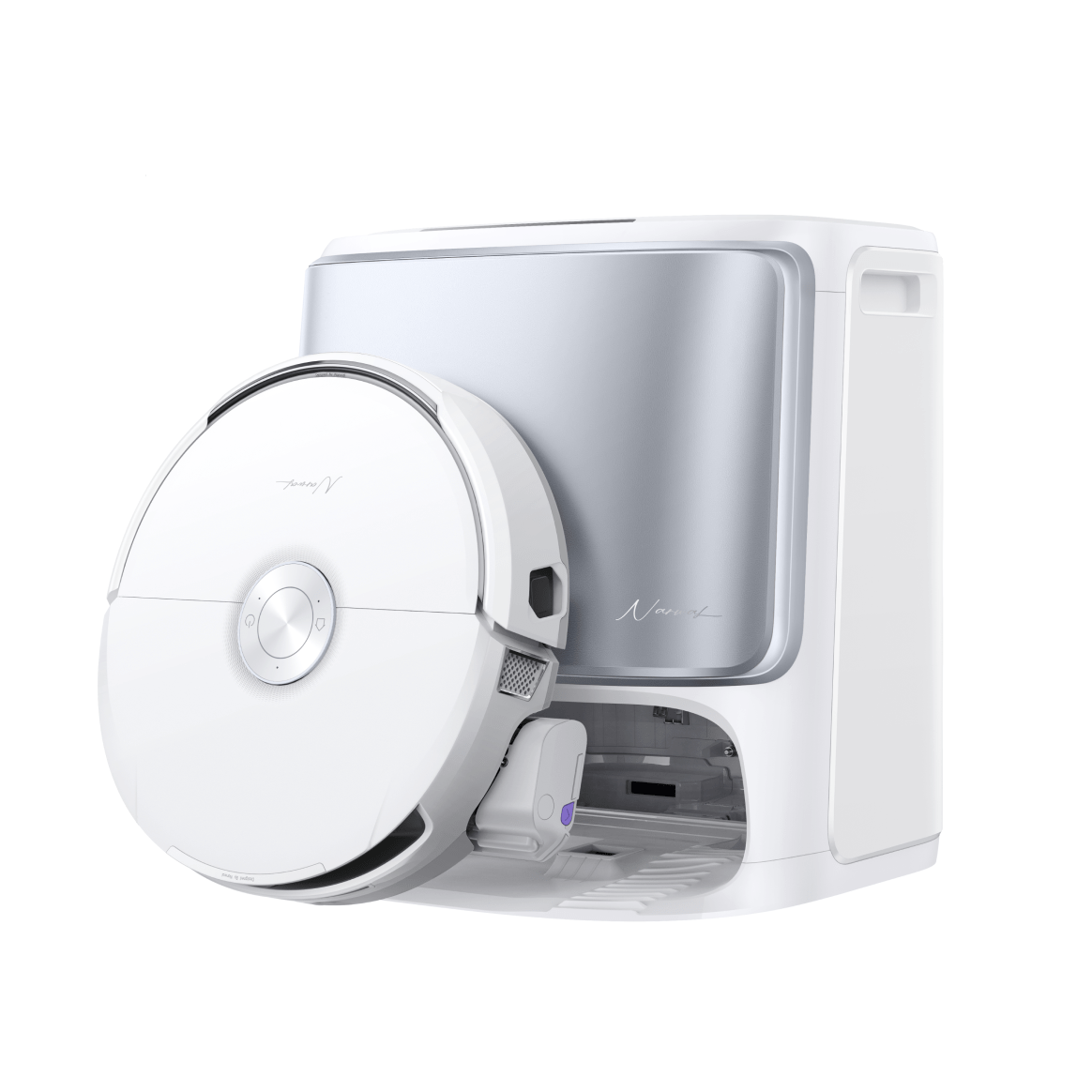
The Narwal Flow sits in an interesting middle ground. Its FlowWash roller mop self-cleans in real-time with 113-degree warm water on board, meaning the mop stays fresh throughout the run. At 22,000Pa suction, it also vacuums competitively — something earlier Narwal models sacrificed for mopping prowess.
Edge cleaning along baseboards
Dust collects along baseboards and in the gap where floor meets wall. Most robot vacuums leave a 1-2 inch strip untouched because the mop pads sit inboard of the robot’s edge. The L50 Ultra addresses this with its Dual Flex Arm extendable mop, pushing a pad outward to reach wall edges. The X60 Max Ultra Complete uses a similar MopExtend design. Both noticeably improve baseboard coverage compared to standard layouts.
The Freo Z Ultra, despite its excellent central mopping, leaves 2-3 inch gaps along walls — a consistent weakness in reviews. If your hardwood runs right up to baseboards without molding, this matters more than you might expect.
Scratch prevention and water control
Grit trapped under a mop pad is the fastest way to scratch hardwood. Robots that vacuum before mopping in the same pass reduce this risk, and all six here do exactly that. But the order of operations matters: the Curv 2 Flow’s roller mop includes a physical water-blocking guard that prevents water from reaching carpet during transitions, which also means it controls water application tightly on hard floors.
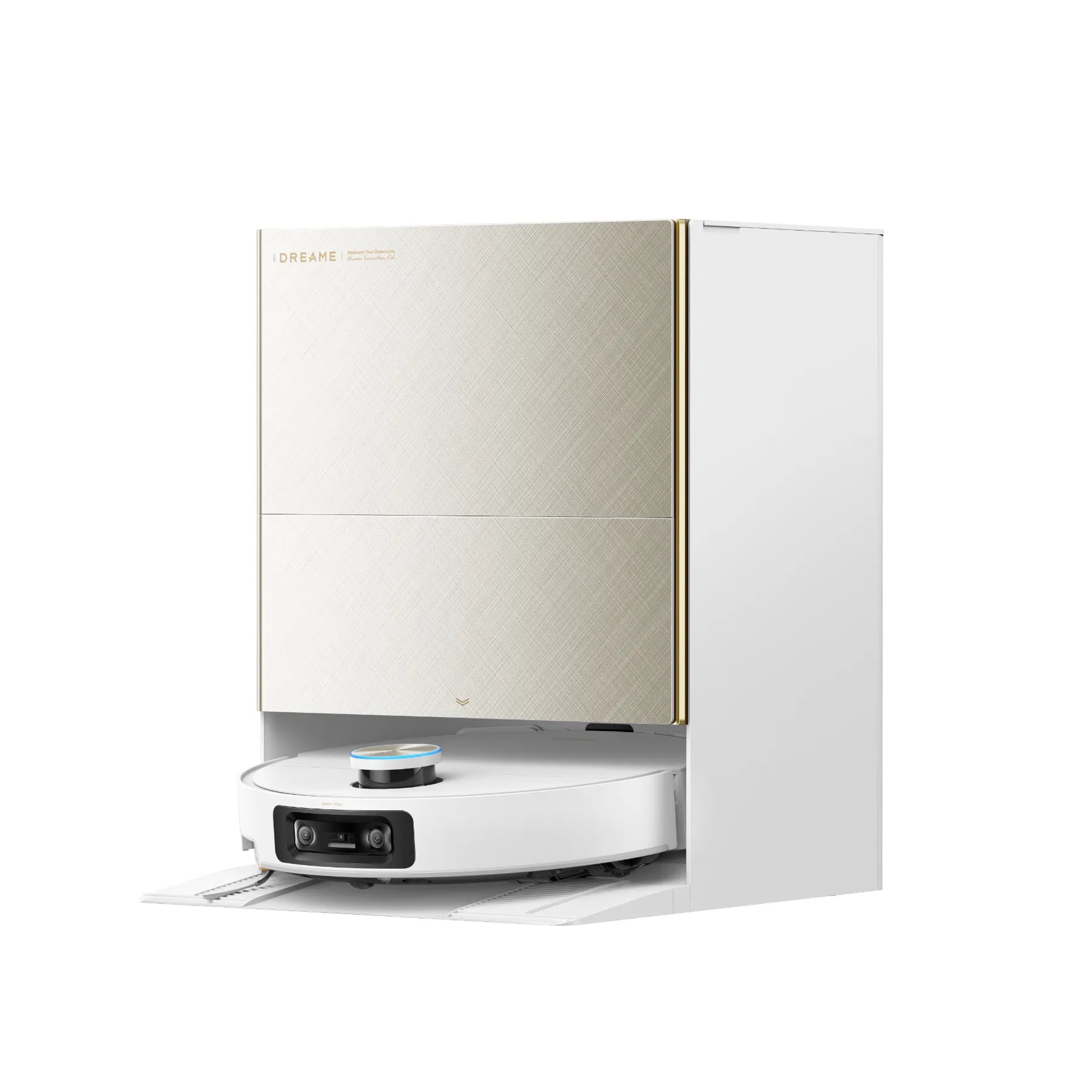
Hot water dock washing is worth paying attention to for a different reason — hygiene. The Freo Z Ultra uses AI-adaptive hot water temperatures for different stain types. The X60 Max Ultra Complete washes its mop pads at a full 212 degrees Fahrenheit, which eliminates bacteria that cause the musty smell some robot mops develop after weeks of use. The Flow’s dock sterilizes at 176 degrees across mops, tanks, and internal pipes.
What to prioritize for hardwood (and what to ignore)
Water control precision trumps mopping power. On hardwood, you want less water applied more evenly — not more water applied aggressively. Excessive moisture seeps into seams between planks, causing swelling and eventual warping. Robots with adjustable water flow levels, like the Curv 2 Flow and the L50 Ultra, let you dial back to a light dampening that cleans without risk. The X9 Pro Omni’s roller mop inherently uses less standing water than spinning pads because it continuously extracts as it goes, which is one reason it scores so well on hardwood specifically.
Noise matters more on hard floors. Hard surfaces reflect sound rather than absorbing it the way carpet does, which means a 65 dB robot on hardwood sounds noticeably louder than the same robot on carpet. The Freo Z Ultra at 58 dB is the quietest pick here and genuinely pleasant to be around during operation. If you schedule cleaning during work-from-home hours or nap times, noise should factor into your decision more than you might expect.
Suction power is secondary. This is the one floor type where chasing Pa numbers is genuinely counterproductive. Dust and debris sit on the surface of hardwood rather than embedding into fibers, so even 8,000Pa picks up everything a daily maintenance run encounters. The real work happens on the mopping side. Spend your budget on mopping quality rather than suction headroom you will never use on hard floors.
Don’t overlook the finish type. Sealed polyurethane-finished hardwood handles robot mopping without issue. Waxed hardwood, oiled wood, and unfinished planks are different stories — standing moisture of any amount can damage these finishes. If your floors are waxed or oiled, use the vacuum-only mode and skip the mop entirely, or mop only on the lowest water setting with immediate drying. No robot vacuum’s water control is precise enough to guarantee safety on unsealed wood finishes.
The honest recommendation
For hardwood-first homes, the X9 Pro Omni remains the mopping benchmark — nothing else matches that roller mop’s cleaning consistency on sealed hard floors. If you want strong vacuuming alongside great mopping, the Narwal Flow pairs 22,000Pa suction with real-time roller self-cleaning at a slightly lower price. And for homes that mix hardwood with area rugs or carpeted bedrooms, the L50 Ultra or X60 Max Ultra Complete balance vacuuming power with competent (if not class-leading) mopping and excellent obstacle navigation between surfaces.
Frequently Asked Questions
Will a robot vacuum scratch my hardwood floors? The robot itself — no. Modern robot vacuums use soft rubber wheels and smooth undersides that glide without marking. The risk comes from debris trapped under the robot or its mop pad: a piece of grit dragged across polyurethane will leave a fine scratch. This is why vacuuming before mopping in the same pass matters, and why daily runs prevent the accumulation of scratch-causing particles. All six models here vacuum first and mop second, which minimizes this risk significantly.
How often should I run the robot on hardwood? Daily is ideal, and it is counterintuitively less wear on your floors than weekly cleaning. Dust and fine grit act like sandpaper under foot traffic — the longer they sit, the more micro-scratches accumulate. A light daily pass removes particles before they cause damage. Set the robot to run on low suction with a damp mop during off-peak hours for the best combination of floor protection and cleanliness.
Is hot water dock cleaning necessary for hardwood homes? It is a hygiene feature, not a floor-care feature. Hot water in the dock cleans the mop pads and prevents bacterial buildup that causes musty odors — a common complaint with robot mops after a few weeks of use. It does not affect how the robot treats your hardwood. That said, if you skip pad cleaning for too long, bacterial residue on the mop pad transfers to your floor during the next run, which is both unpleasant and unhygienic. Hot water docks prevent this passively.
Should I use a robot mop on engineered hardwood? Engineered hardwood with a sealed finish handles robot mopping the same as solid hardwood — no special precautions needed beyond keeping the water level moderate. The wear layer on engineered hardwood is thinner than solid wood, so long-term water exposure is marginally riskier, but a properly functioning robot mop with controlled water output poses no threat. Avoid leaving the robot paused mid-run on engineered hardwood, since the mop pad may release standing water if the robot idles.
Related Guides
- Can Robot Vacuums Damage Hardwood Floors? — scratching risks, mop safety by finish type, and how to protect your floors
- Best Budget Robot Vacuums for Hardwood Floors
- Best Robot Vacuum-Mop Combos
- The 8 Best Robot Vacuums of 2026
- Best Premium Robot Vacuums ($700-$1,000)
- Best Robot Vacuums for Apartments