Every robot vacuum claims to handle pet hair. Scroll through any listing on Amazon and you will find “pet-friendly” plastered across models that will wrap your golden retriever’s shedding around their brush roll within two runs. The difference between marketing and reality comes down to three things: brush roll design, raw suction power, and how the self-empty dock handles the hair once it is collected.
Anti-tangle brushes are the single biggest factor
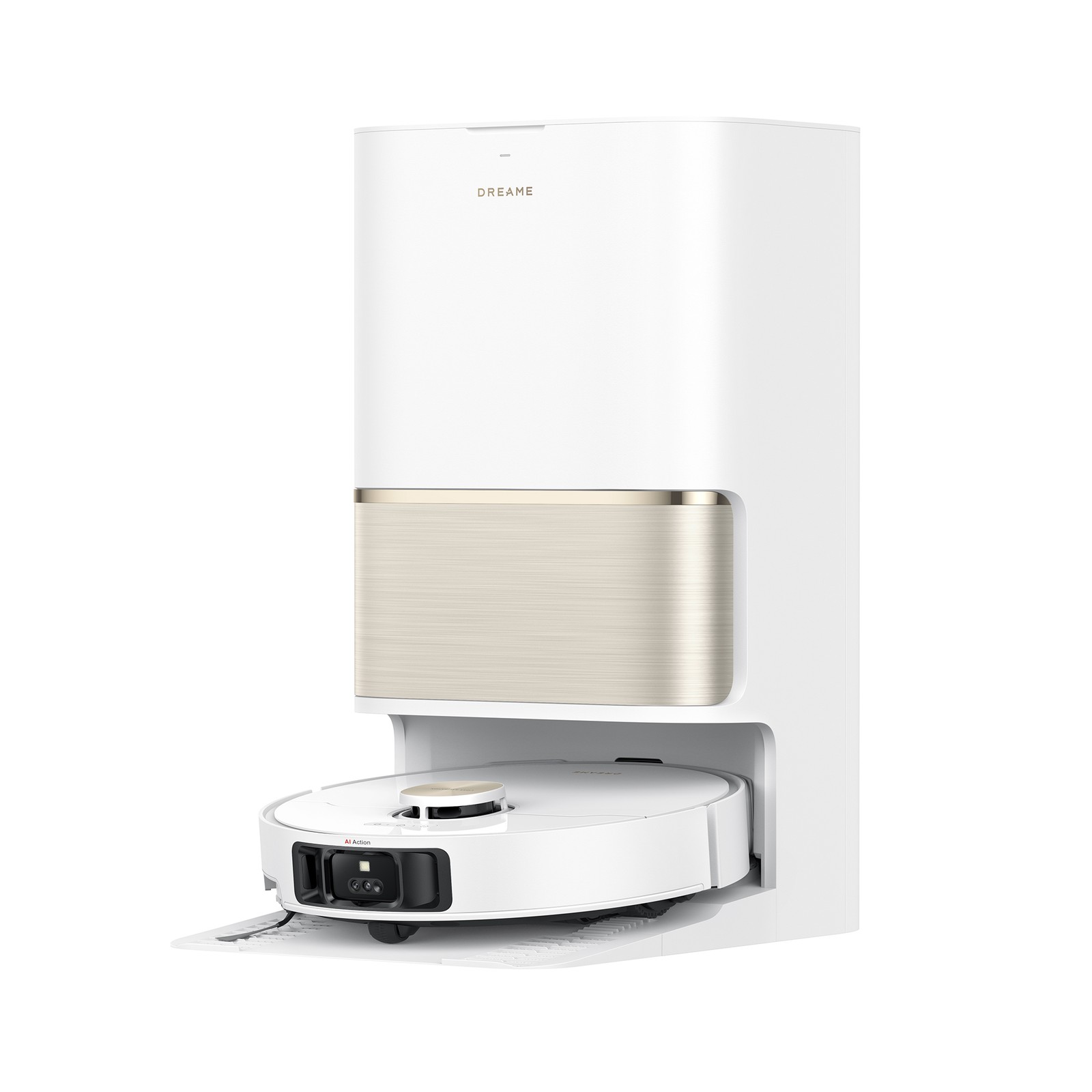
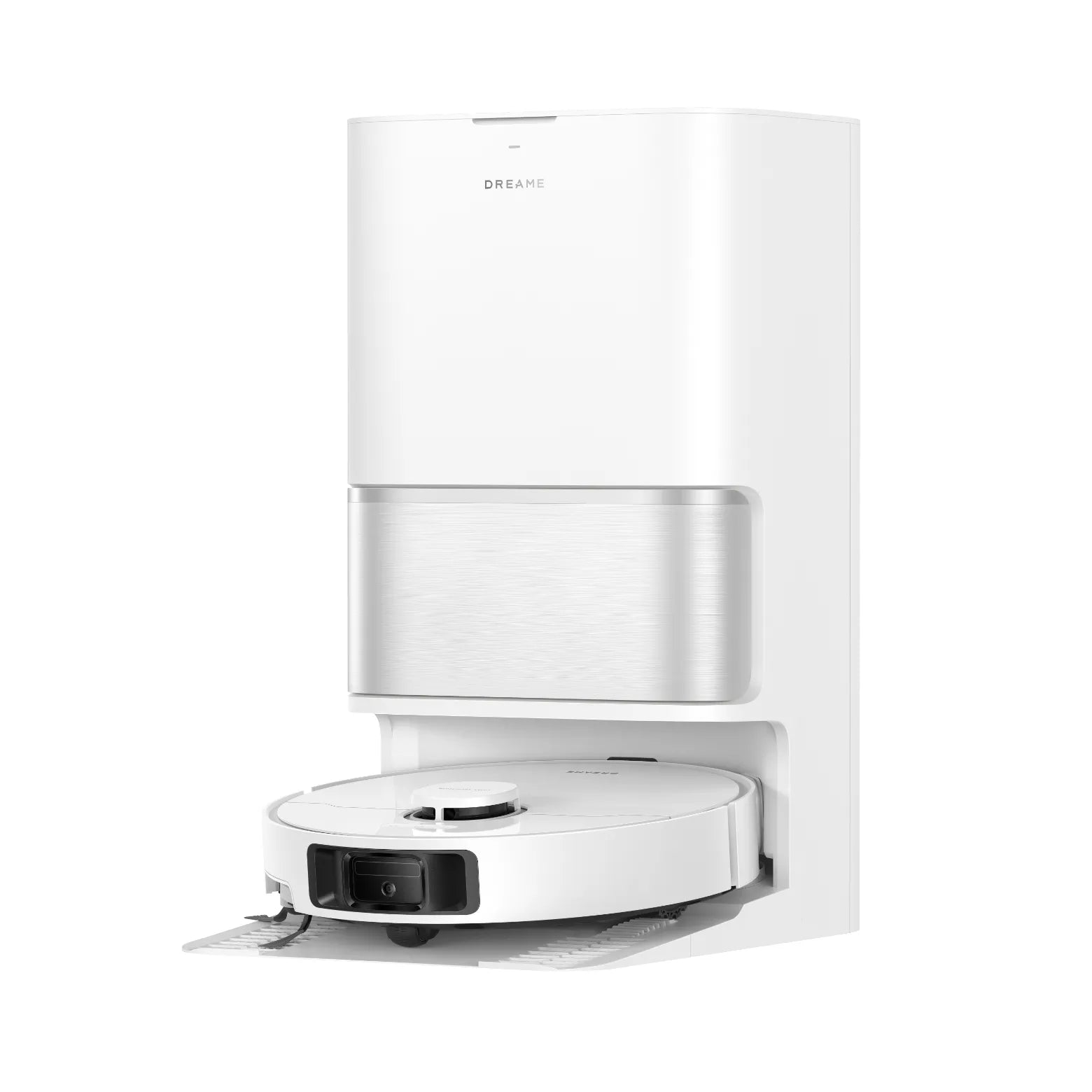
Raw suction matters less than how the brush roll interacts with hair. The Dreame L50 Ultra uses a HyperStream brush rated for hair up to 11.8 inches long, and the L40 Ultra Gen 2 takes a different approach with its TriCut system that actively slices through tangled strands before they accumulate. Both work remarkably well with long human hair mixed with pet fur — the scenario most multi-pet households actually face.
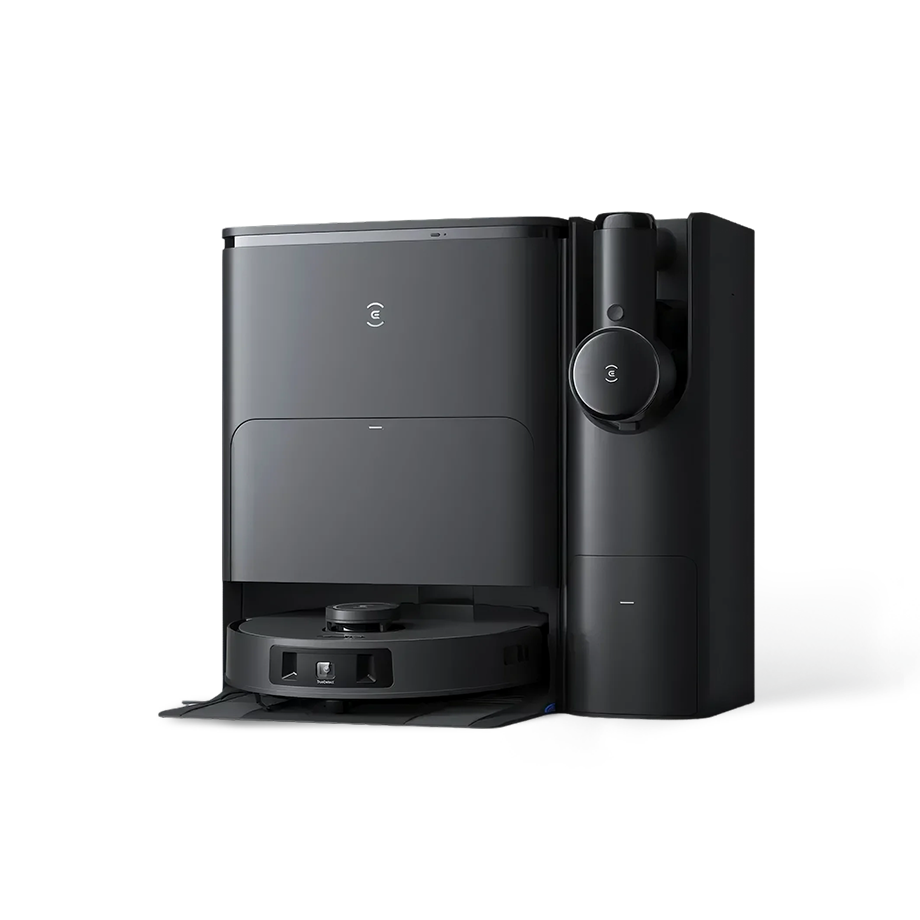
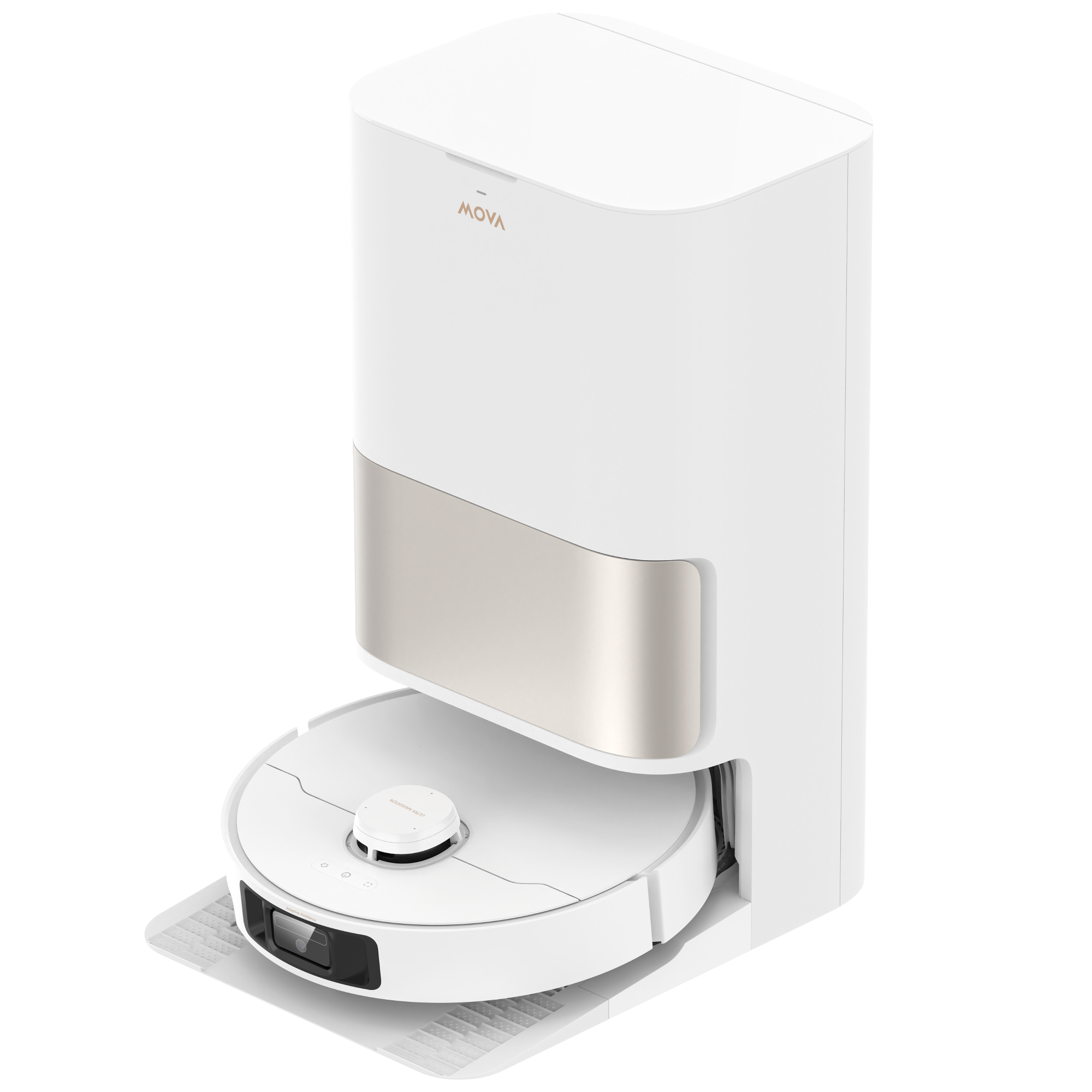
Roborock’s DuoDivide brush design on the CurvX achieved a tested 0% tangle rate, which is impressive given its more affordable positioning. The MOVA P10 Pro Ultra rounds out the anti-tangle crowd with its Triple Anti-Tangle System, handling both long human hair and shorter pet fur reliably across cleaning sessions.
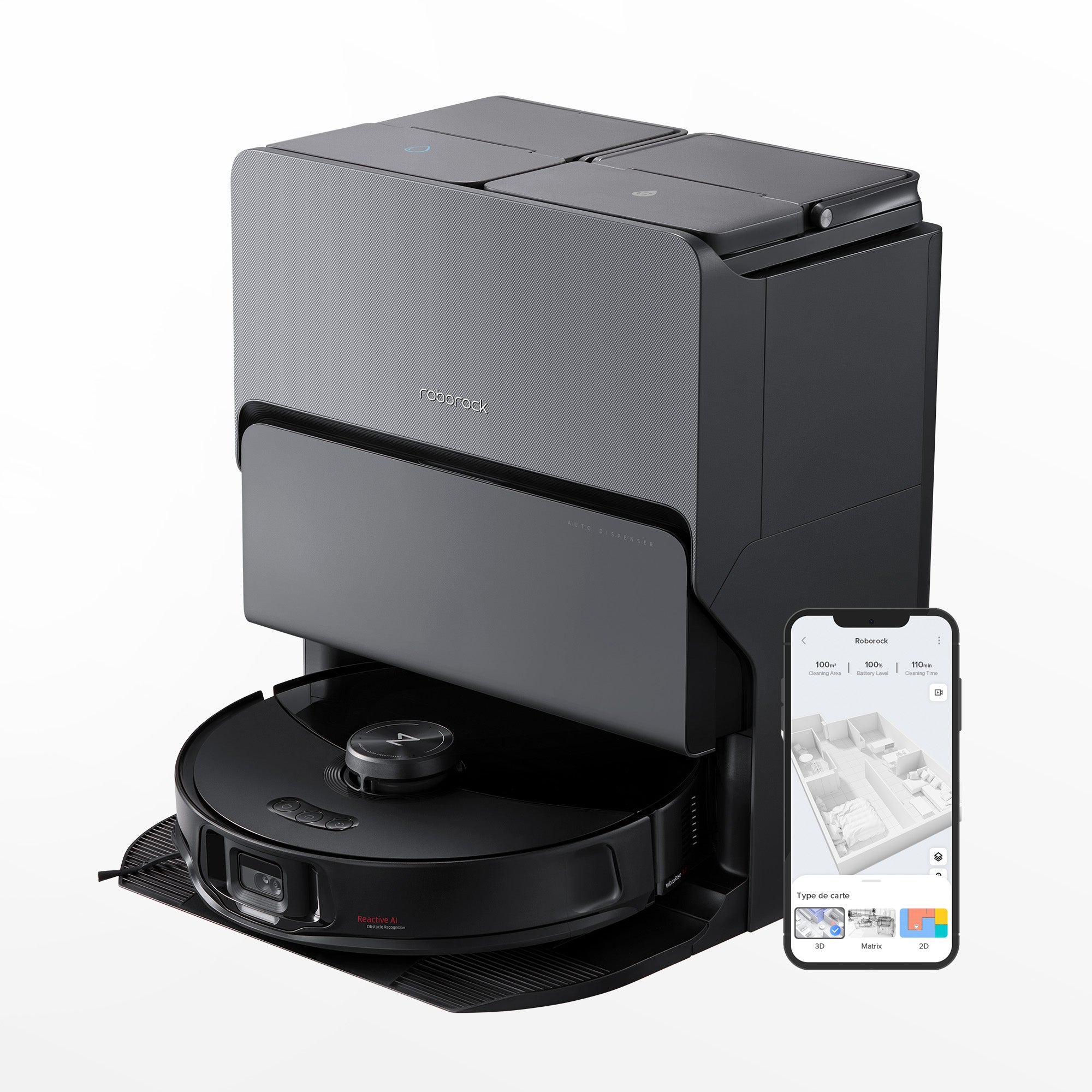
The S8 MaxV Ultra and the T30S Omni use older brush architectures. They are not terrible with pet hair, but you will find yourself pulling strands off the roller more frequently than with the purpose-built designs above.
Suction: how much do you actually need?
Pet hair embeds itself into carpet fibers in a way regular dust does not. Short, stiff dog hair is particularly stubborn — it weaves into medium-pile carpet and resists anything below about 10,000Pa of suction. The L40 Ultra Gen 2 leads this group at 25,000Pa, with the P10 Pro Ultra close behind at 26,000Pa, both offering far more pull than you will likely need for daily maintenance. The CurvX sits at 22,000Pa. Meanwhile, the L50 Ultra delivers 19,500Pa, which is more than adequate for embedded fur on most carpet types.
The T30S Omni and S8 MaxV Ultra both sit at 10,000Pa — sufficient for hard floors and low-pile carpet but noticeably less effective when short fur has worked its way deep into thicker rugs.
The dock advantage for pet owners
Self-emptying is not a luxury feature when you have pets — it is a sanity feature. Emptying a dustbin full of compacted pet hair by hand means contact with allergens and the inevitable cloud of dander. Every robot here includes self-emptying, but capacity varies. The L50 Ultra and L40 Ultra Gen 2 both offer 100-day dock capacity, meaning you go months between touching the collected hair. The S8 MaxV Ultra adds an auto detergent dispenser that helps with the mopping side of pet ownership — tracking paw prints across tile is a daily reality.
Which type of pet hair matters
Short-haired breeds like labs and beagles shed stiff, needle-like fur that embeds deep but rarely tangles. For these pets, suction power matters most — the L40 Ultra Gen 2 or the P10 Pro Ultra are your best bets. Long-haired breeds like huskies and Persian cats produce the wrapping, clinging hair that kills brush rolls. Here, the TriCut system on the L40 or the DuoDivide on the CurvX will save you from weekly maintenance sessions. Multi-pet households dealing with both types should prioritize the L50 Ultra, which pairs strong suction with a hair-optimized brush and the longest effective cleaning range tested — critical when you need full-house coverage before guests arrive and your floors are covered in yesterday’s shedding session.
Pet waste avoidance: the feature you don’t appreciate until you need it
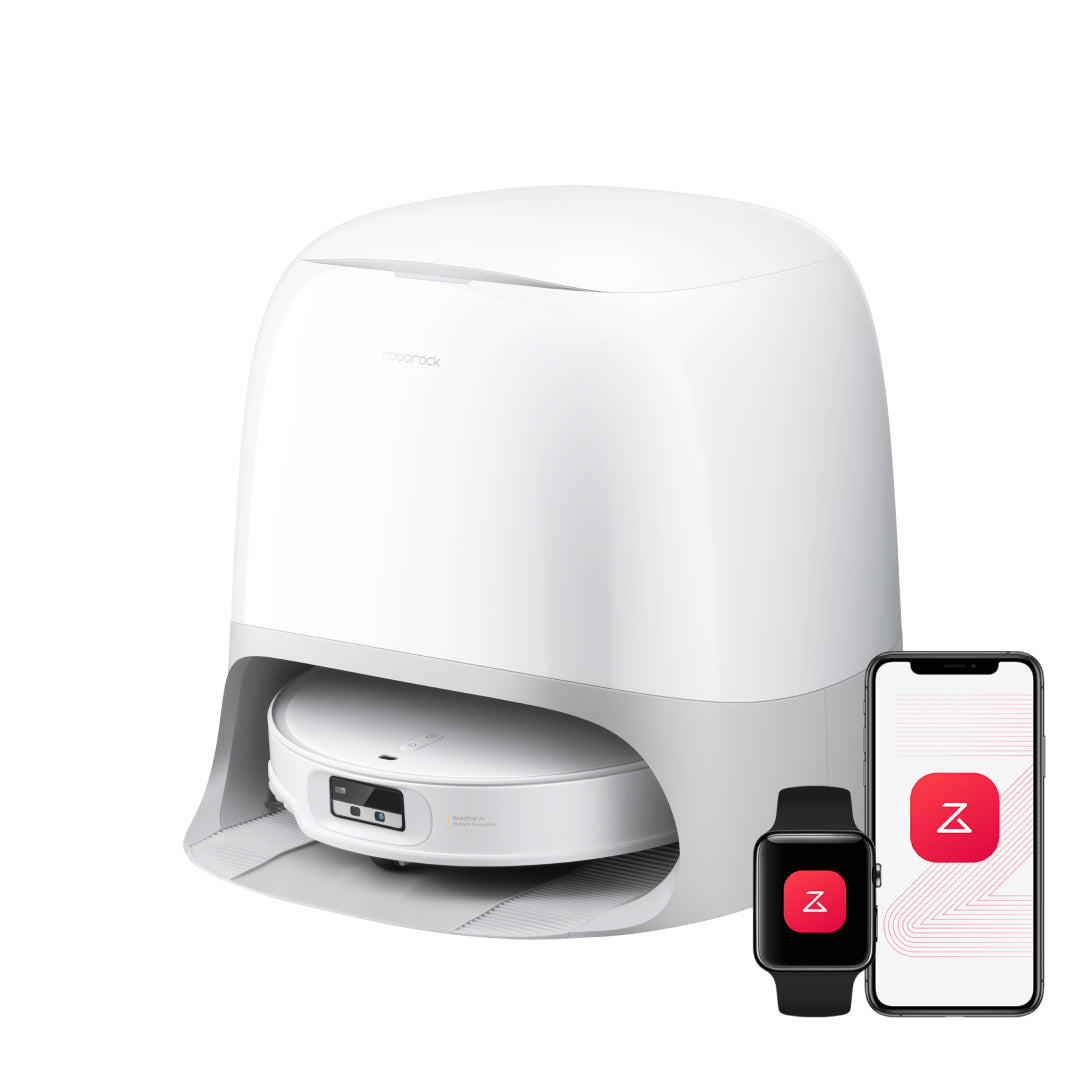
No amount of suction power saves you from a robot that drives through an accident your dog left in the hallway at 3 AM. Camera-based obstacle avoidance is the only reliable way to detect pet waste before contact, and not all cameras are equal here. The L50 Ultra’s dual-camera system recognizes over 180 object types, including pet waste, with enough accuracy that Dreame felt confident enough to offer a replacement guarantee if the robot fails to avoid it. The S8 MaxV Ultra’s Reactive AI 2.0 system similarly identifies pet messes via its front-facing camera, and Roborock backs it with their own pet waste avoidance guarantee.
The CurvX, despite its excellent cleaning performance, lacks an RGB camera — it relies on structured light for obstacle detection, which identifies shapes but cannot distinguish a brown spot on the floor from a shadow. If you have a puppy in training or an elderly dog with occasional accidents, a camera-equipped model is non-negotiable. The T30S Omni sits in between: its AIVI 3.0 camera handles pet waste detection adequately, though its recognition database is smaller than what Dreame and Roborock ship on their 2025-2026 flagships.
Allergen control: beyond the brush roll
Pet dander is a 2.5-micron particle that passes straight through standard robot vacuum filters and gets redistributed into the air during self-emptying cycles. If anyone in your household has allergies, sealed filtration matters as much as cleaning performance. The L50 Ultra and L40 Ultra Gen 2 both use multi-stage filtration systems that trap fine particulates, though neither carries a certified medical-grade HEPA rating — a distinction worth noting if you are comparing against traditional upright vacuums with true HEPA certification.
The self-emptying process itself is the weak link for allergen control. When compressed pet hair and dander travel from the robot’s dustbin into the dock bag, some particles escape around the seal. Dock bags with tighter seals — Dreame and Roborock both use relatively well-sealed disposable bags — reduce this, but no robot vacuum dock achieves the zero-leakage standard of a bagged upright vacuum. For severe allergy sufferers, running the robot daily on a schedule while you are out of the house, and changing the dock bag outdoors, minimizes exposure.
Scheduling and frequency for pet homes
The single most effective strategy for managing pet hair is running the robot daily rather than relying on a weekly deep clean. Short daily runs prevent hair from embedding into carpet fibers, which means even a modest-suction robot keeps up if it runs often enough. Set the schedule during work hours or walks — the robot finishes before you return, and the self-empty dock handles the collected hair automatically.
For multi-pet households or heavy shedders during seasonal coat blows, consider running the robot twice daily on high-traffic areas only. The L50 Ultra and CurvX both support room-specific scheduling through their apps, so you can target the living room and hallway at noon and run a full-house pass in the evening without manually intervening.
Frequently Asked Questions
Will a robot vacuum replace my regular vacuum if I have pets? For daily maintenance on hard floors and low-to-medium pile carpet, yes. For deep extraction on thick carpet or upholstery — particularly during heavy shedding seasons — you will still want a handheld or upright for periodic deep cleans. Think of the robot as your daily defense and the traditional vacuum as your monthly reinforcement.
My cat is terrified of the vacuum. Will it get used to a robot? Most cats acclimate within one to two weeks if you introduce the robot gradually. Start by running it in a single room with the door closed while the cat is elsewhere, then expand coverage over time. Quieter models help — the P10 Pro Ultra runs at 55 dB on standard mode, roughly the volume of a normal conversation, which is far less startling than a traditional vacuum’s 75+ dB.
How often should I replace the dock bag with pets? With one medium-shedding dog running daily, expect to change the bag every 30-45 days rather than the 60-100 days manufacturers claim. Those estimates assume average household dust, not daily pet hair collection. Keep a few spare bags on hand — running out and letting the dock bag overflow defeats the entire purpose of self-emptying.