Two years ago, mopping on a robot vacuum meant strapping a damp microfiber cloth to the bottom and hoping for the best. The floor got wet, the cloth got dirty almost immediately, and dried-on kitchen spills barely noticed the robot had passed over them. That era is decisively over — but the replacement landscape is confusing, because “mopping” now covers everything from 100-degree on-robot hot water scrubbing to roller systems that wash themselves mid-clean, and the differences between these approaches matter far more than the suction numbers that dominate most spec sheets.
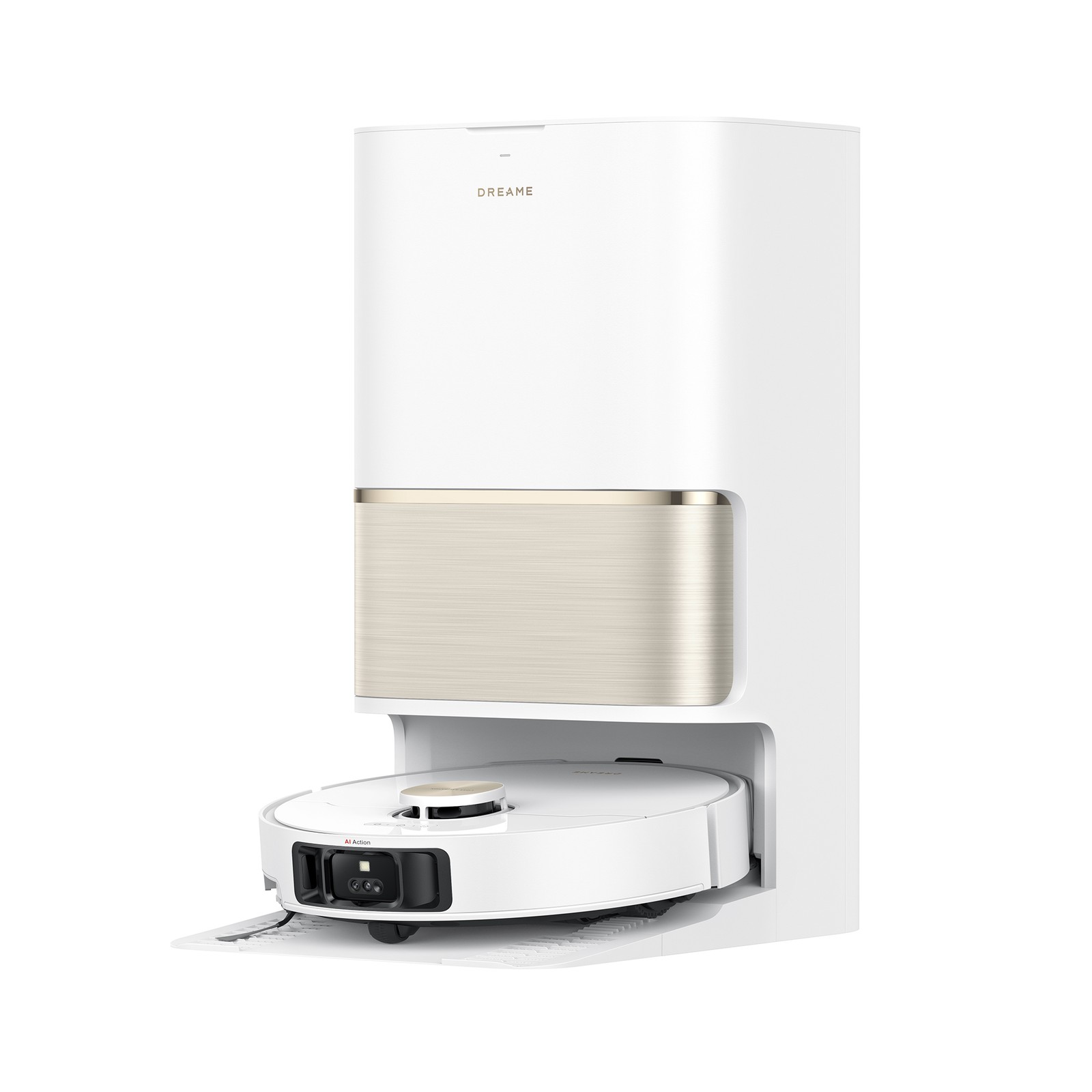
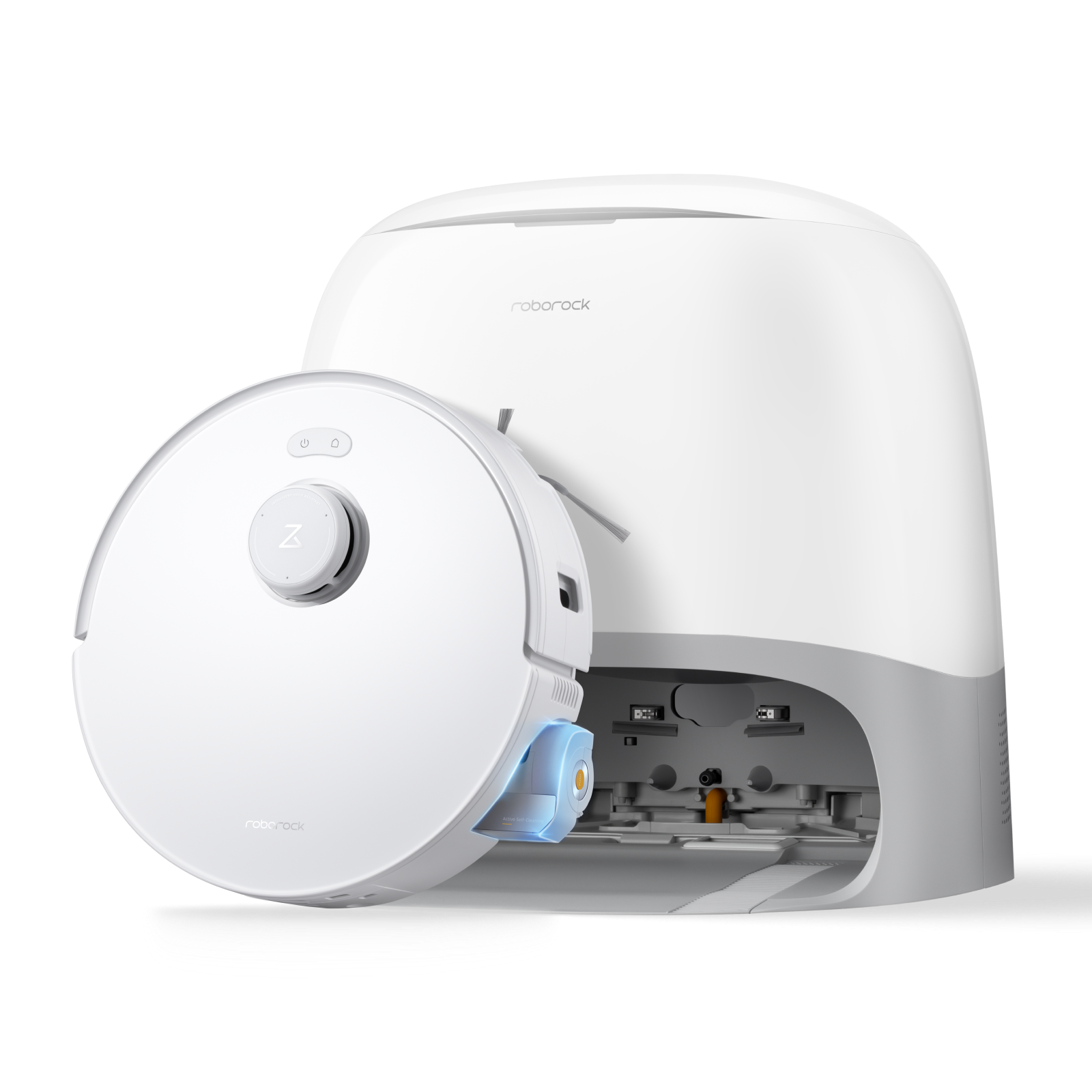
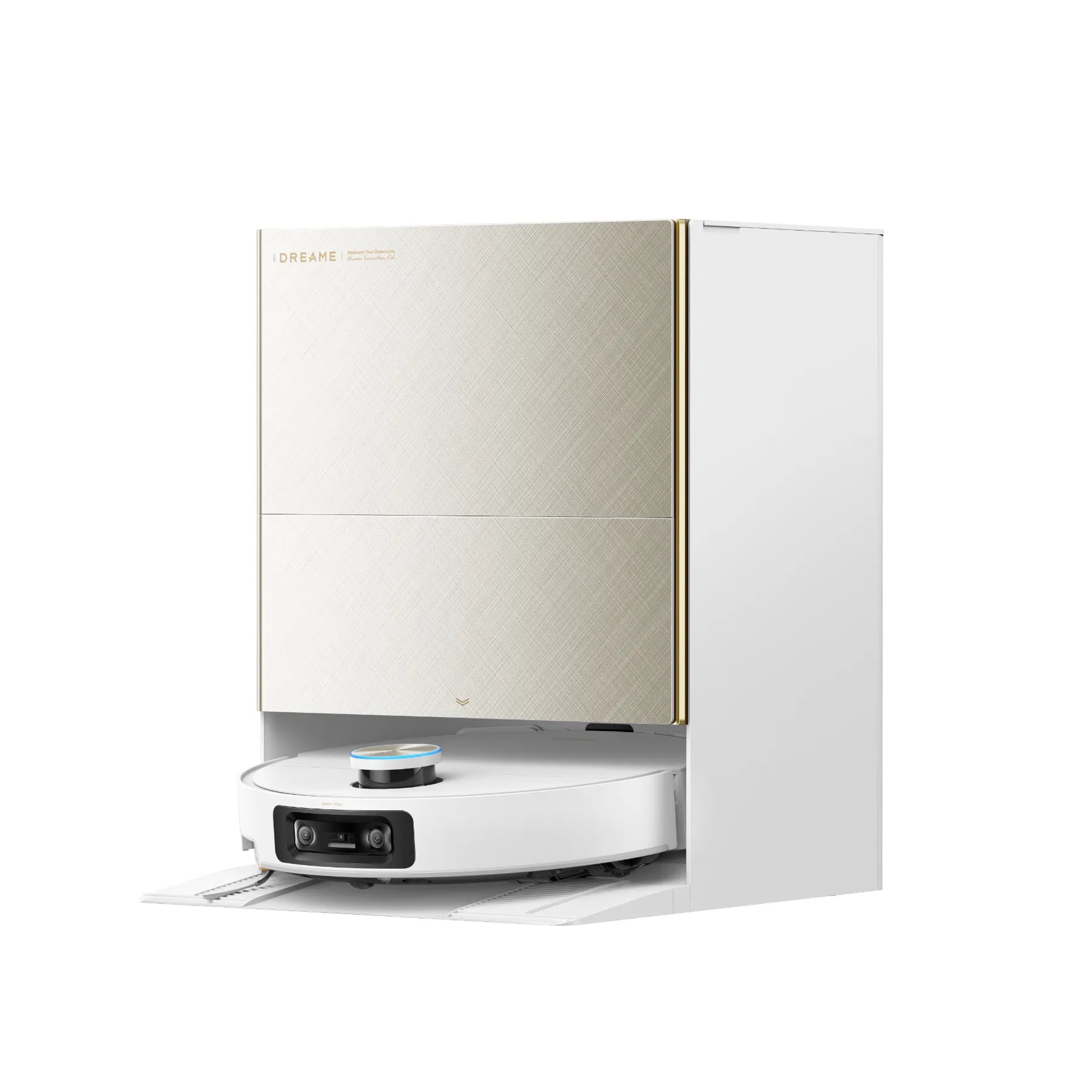
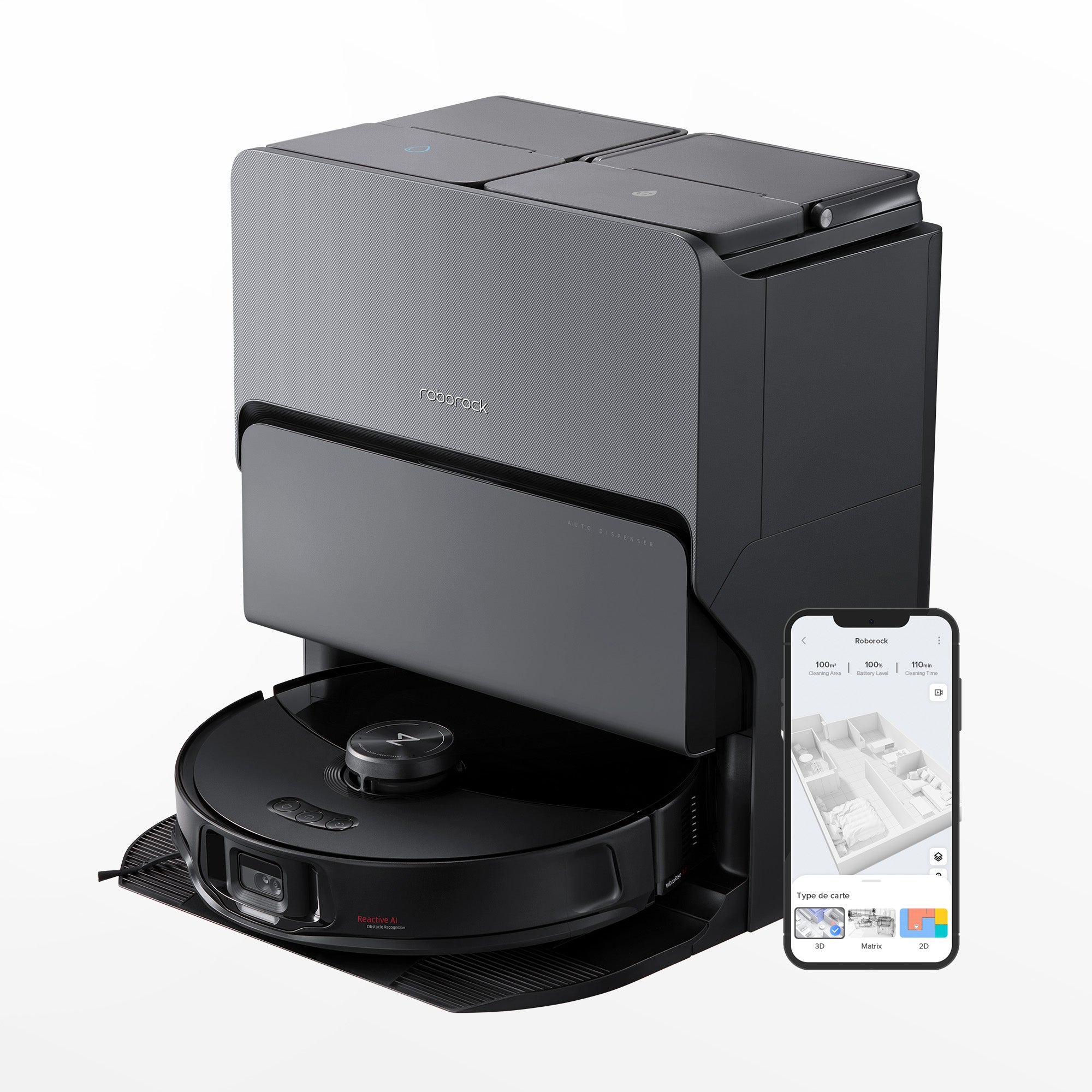
The technology split you need to understand is between spinning pads and roller mops. Most premium robots — the Dreame L50 Ultra, the X60 Max Ultra Complete, the Roborock S8 MaxV Ultra — use dual spinning pads that press against the floor and rotate at high speed. They’re effective at spreading cleaning solution and applying downward pressure, especially with extending arms that reach wall edges. The L50’s Dual Flex Arm and the X60 Max’s MopExtend both address the longstanding weakness of spinning pads: they used to leave a dirty strip along every baseboard.
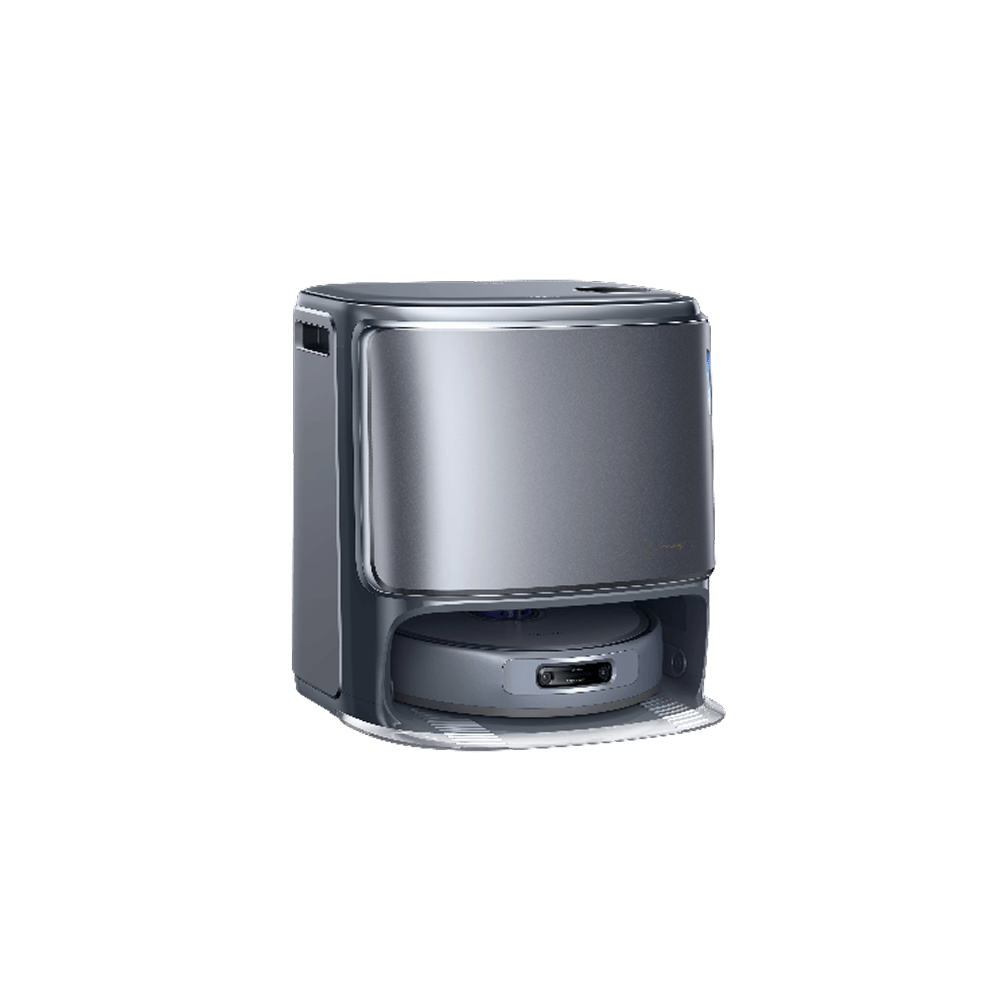
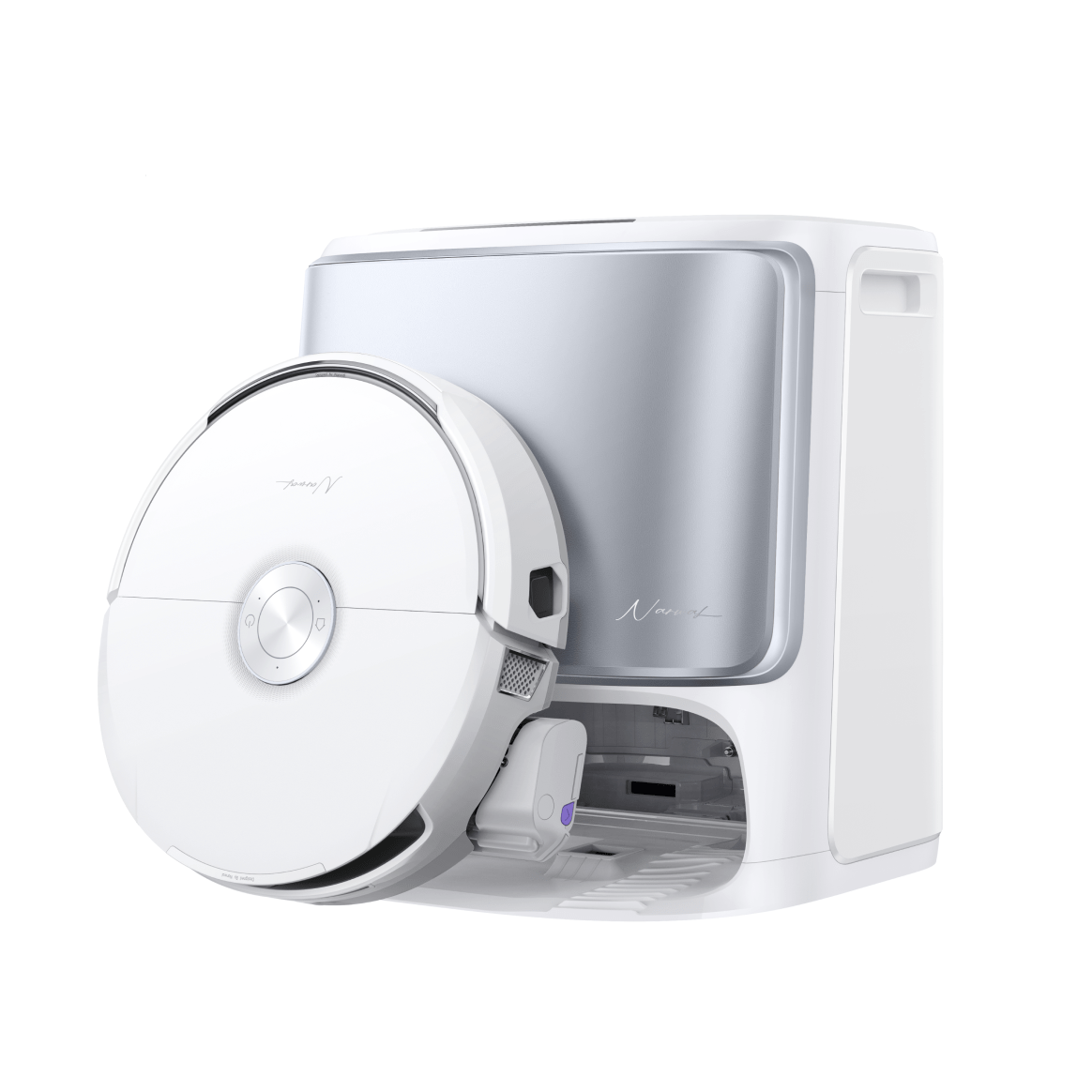
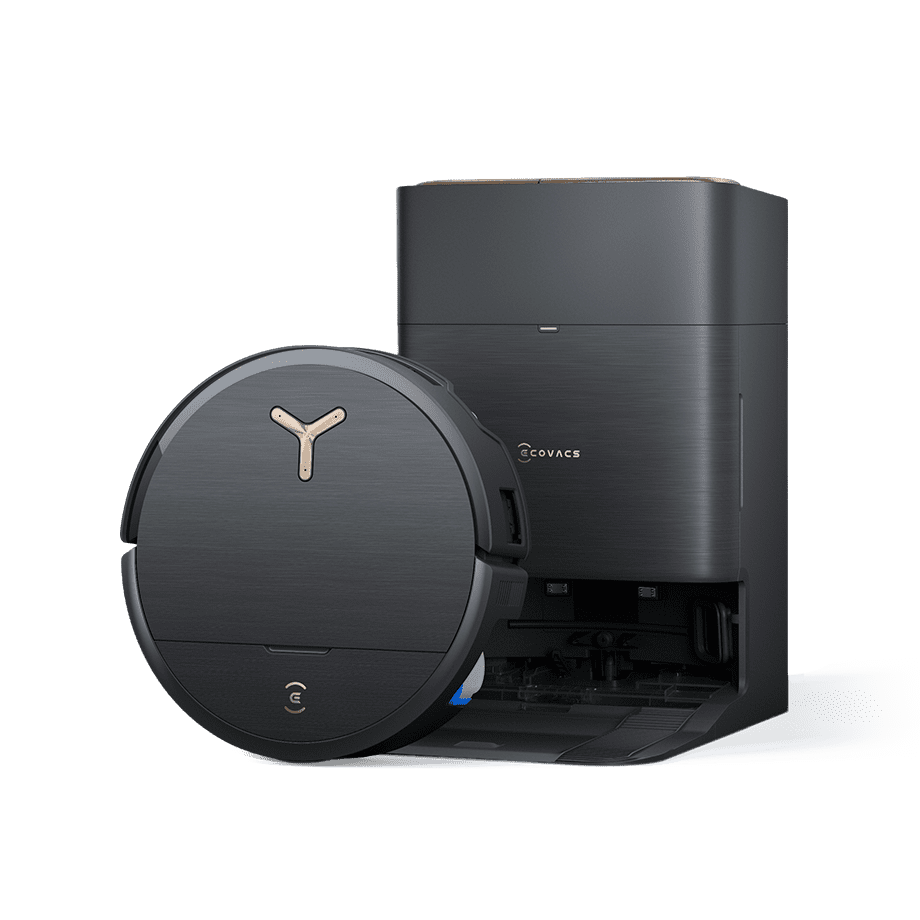
Roller mops take a fundamentally different approach. The Ecovacs X9 Pro Omni’s OZMO Roller, the Narwal Flow’s FlowWash system, and Roborock’s new SpiraFlow on the Qrevo Curv 2 Flow all use a cylindrical roller that spins at 200+ RPM while continuously feeding clean water to the contact point and extracting dirty water away. The result, at least in theory, is that you never drag yesterday’s coffee across the kitchen floor. In testing, the X9 Pro Omni earned the highest mopping score Vacuum Wars has ever recorded — a 4.95 out of 5 — precisely because the OZMO Roller actually scrubs dried stains rather than just dampening them.
But roller mops aren’t universally better. The Curv 2 Flow’s SpiraFlow roller scored a disappointing 25 points on dried stains in Vacuum Wars testing, against a 112-point average. Roborock is new to roller technology, and the first-generation implementation shows. Meanwhile, the Narwal Flow’s FlowWash uses warm water at 113 degrees Fahrenheit during cleaning itself, which gives it an edge on grease and sticky residue that cold-water rollers struggle with.
Hot water washing has become the dock feature that separates serious mopping from theater. The X9 Pro Omni’s dock washes its roller with hot water after each run. The Freo Z Ultra heats water with AI-adaptive temperature for different stain types. The X60 Max Ultra Complete goes furthest with 100-degree Celsius on-robot hot water mopping, meaning the floor itself gets hit with near-boiling water — a genuine step change for kitchen hygiene. At the other end, the S8 MaxV Ultra’s VibraRise pads vibrate at 4,000 scrubs per minute but rely on the dock’s hot water wash rather than heating water onboard, which means the pads cool down before they touch your floor.
Mop lift matters more than people realize. Every robot here lifts its mop when it detects carpet, but the heights vary significantly. The S8 MaxV Ultra leads at 20mm, the Curv 2 Flow offers 15mm with an additional physical water-blocking guard that prevents any moisture from reaching carpet fibers — the most carpet-safe design among roller-mop robots. The L50’s lift is adequate but lower, and on thick shag carpet the difference between 15mm and 20mm of clearance can mean damp pile edges.
The real question is whether you should prioritize mopping at all. If your home is 70% or more hard floor — tile, hardwood, LVP — a strong mopping robot replaces both your vacuum and your Swiffer, and the dock handles cleanup so you never wring out a mop head again. The X9 Pro Omni and the Narwal Flow are the standouts here, with genuine scrubbing power backed by self-cleaning hygiene. If your home is carpet-dominant, you’ll get more value from a vacuum-focused robot optimized for carpet and mopping by hand where it counts. The mopping adds $200-400 to the price of the dock, and on carpet, that money contributes nothing.
For most buyers in 2026, the sweet spot is the Dreame L50 Ultra or the X9 Pro Omni. The L50 balances strong vacuuming with competent spinning-pad mopping and an extending mop arm for edges. The X9 Pro Omni is the better mop by a wide margin but trails on carpet suction. If you’re willing to spend ultra-premium money and want the best of both worlds, the X60 Max Ultra Complete’s 35,000Pa suction paired with on-robot hot water mopping is the closest any robot has come to doing everything well.