Every robot vacuum sold in 2026 claims to avoid obstacles. Most marketing copy features a tidy living room with a single sock on the floor, the robot gracefully curving around it. Reality looks different: a charging cable snaking from the couch, a pair of kids’ shoes kicked half under the coffee table, a dog toy wedged against the wall, and three socks in various states of inside-out scattered down the hallway. The gap between what obstacle avoidance promises and what it delivers in a lived-in home is the single biggest source of buyer disappointment in this category.
Understanding why starts with the technology. There are three main sensor systems used for obstacle detection, and many premium robots now combine two or all three of them.
LiDAR maps the room in high resolution and tells the robot where walls, furniture, and large objects are. It’s excellent for navigation — knowing which rooms exist, planning efficient routes, avoiding the dining table legs — but it struggles with small, low-profile objects. A phone charger cable lying flat on the floor is essentially invisible to LiDAR because it sits below the sensor’s detection plane. Every robot on this list uses LiDAR for mapping, but none rely on it alone for obstacle avoidance.
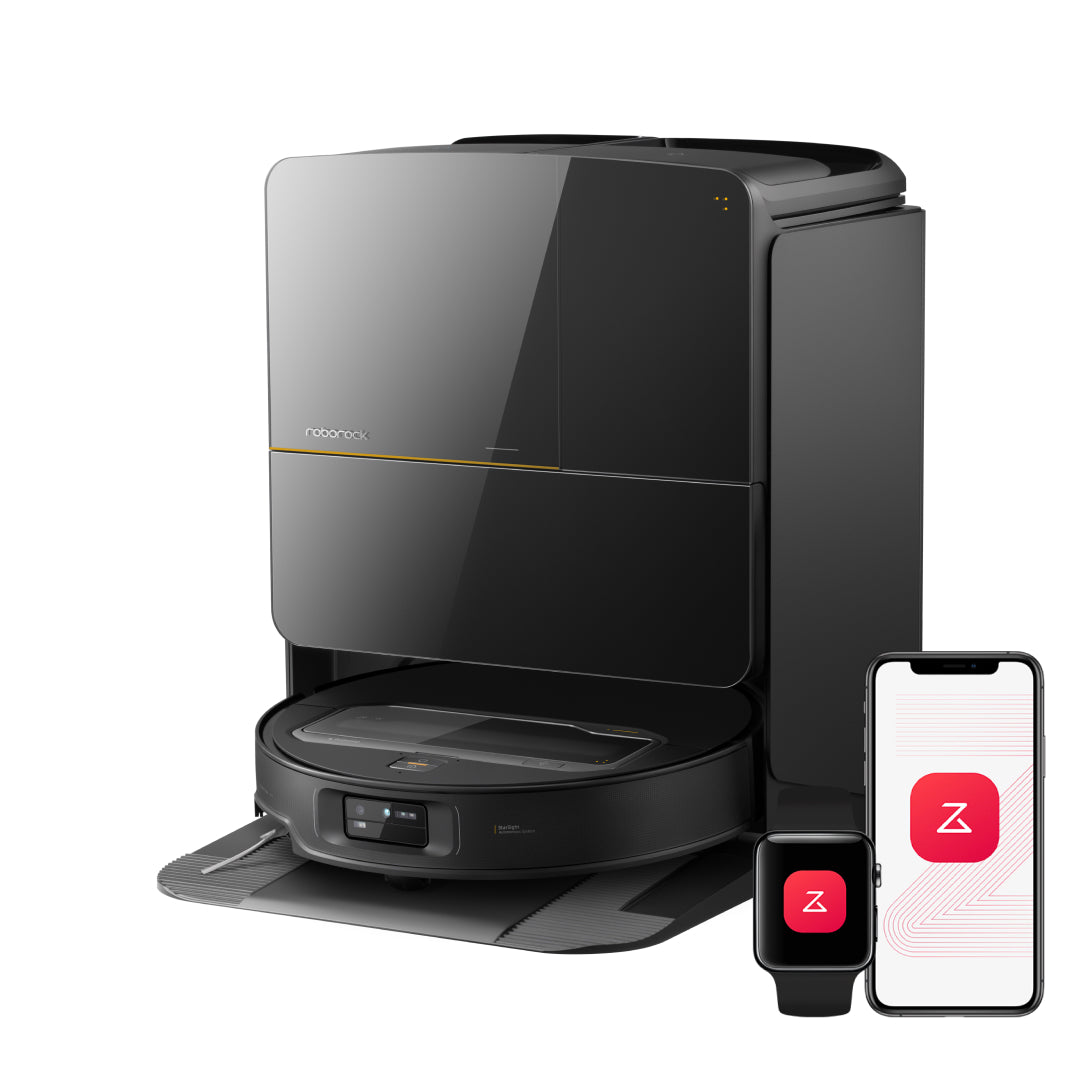
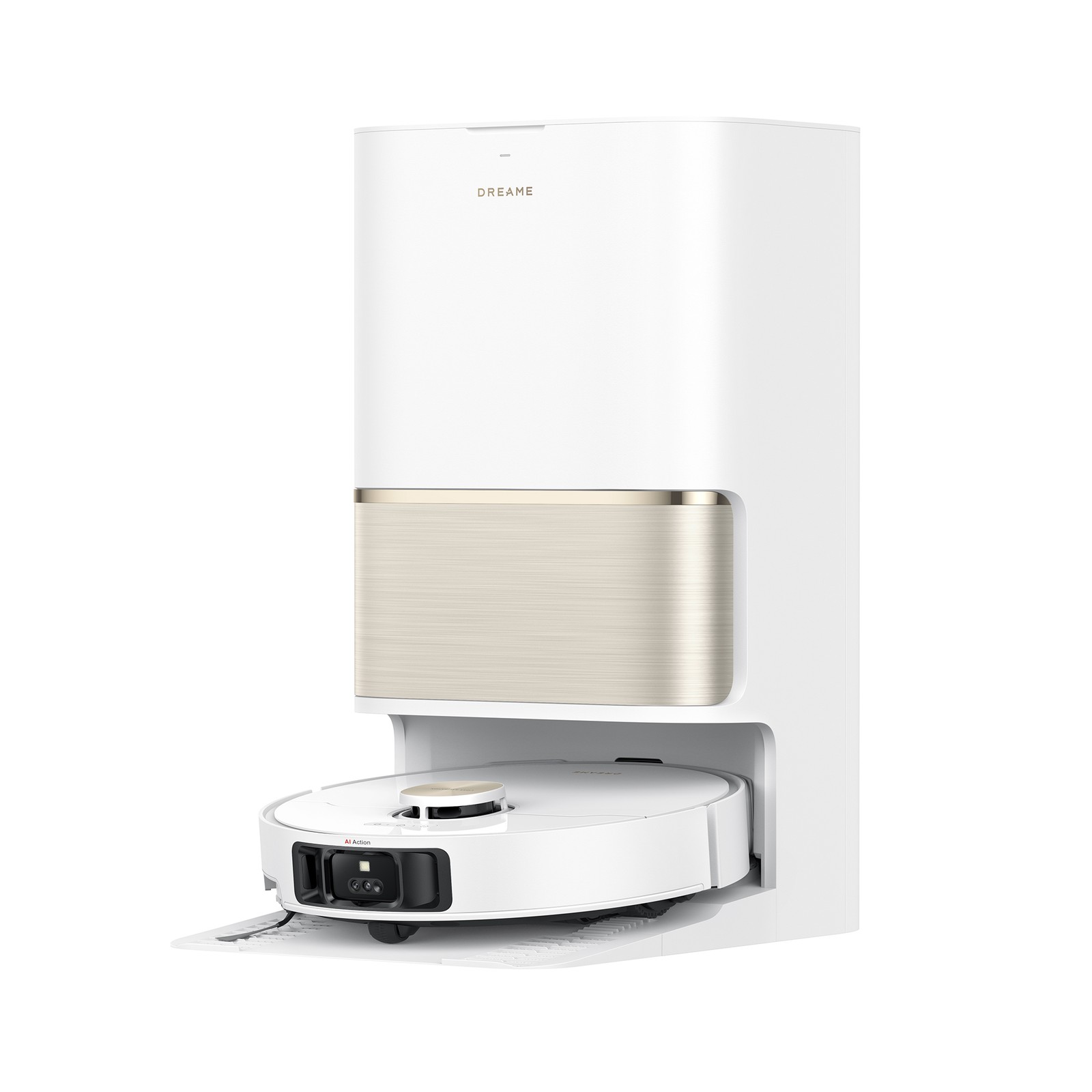
RGB cameras add visual recognition. The robot literally sees objects, identifies them using AI models, and decides whether to avoid, approach cautiously, or clean around them. The Dreame L50 Ultra recognizes over 180 object types through its RGB camera and 3D structured light combination. The Saros Z70 identifies 108 types through dual RGB cameras. The T30S Omni’s AIVI 3.0 system uses a 4K camera but only recognizes 22 types — a meaningful gap that shows up in practice. More object types generally means fewer stuck-on-a-cable incidents, though the quality of recognition matters as much as the quantity.
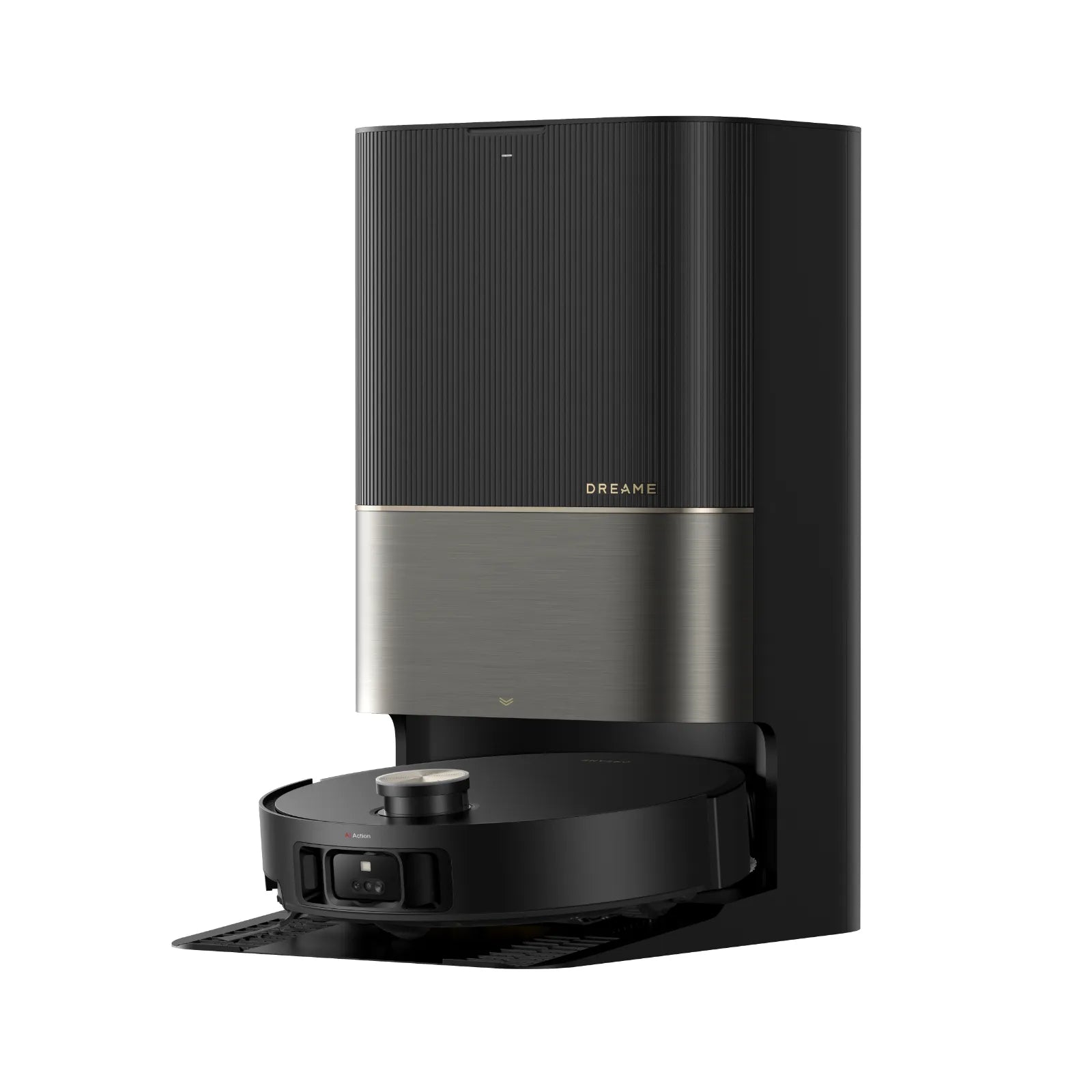
3D structured light projects an invisible pattern onto the floor and reads the distortion to detect objects by shape, even in total darkness. This is what lets robots avoid obstacles at 2 AM without a camera flash. The X50 Ultra pairs dual laser structured light with its retractable LiDAR, and the L50 combines all three systems — LiDAR, structured light, and RGB camera — for what is arguably the most redundant obstacle detection stack available. Redundancy matters here because each sensor type covers the others’ blind spots.
In messy homes, the L50 Ultra and X50 Ultra are in a class of their own. The L50’s triple-sensor approach means it catches cables that camera-only systems miss in low light, identifies pet waste that LiDAR-only systems cannot classify, and maps room geometry accurately enough to clean within millimeters of furniture without touching it. Its ProLeap legs add another dimension: even when the robot encounters an obstacle it cannot avoid — a raised door threshold, a bunched-up rug edge — it physically climbs over it rather than getting stuck and sending you a help notification. Vacuum Wars currently ranks it number one overall partly because of this real-world adaptability.
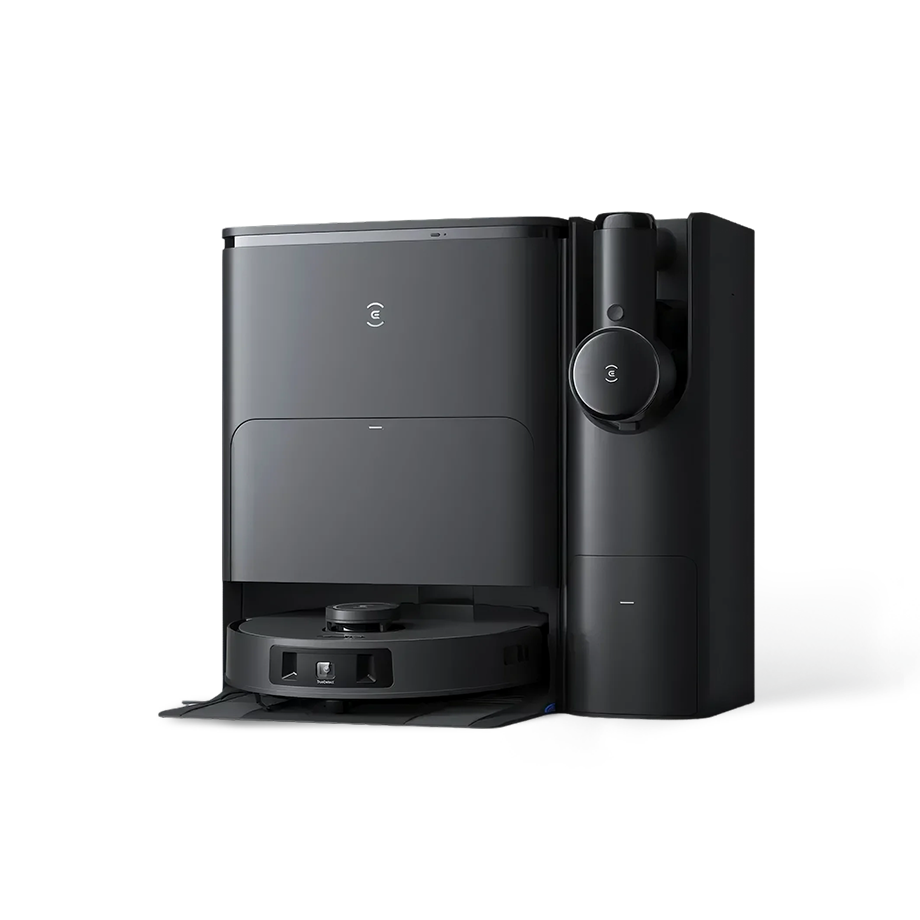
The X50 Ultra shares the ProLeap leg system and VersaLift retractable LiDAR, giving it the same threshold-crossing capability. Its structured light system works well in darkness, though it recognizes fewer object types than the L50. In practice, both Dreame flagships handle the cluttered-floor stress test better than any Roborock or Ecovacs model.
The Saros Z70 takes a different approach to the obstacle problem: it picks things up. Its OmniGrip mechanical arm can grab socks, small toys, and lightweight items off the floor before cleaning. In theory, this eliminates the need for avoidance entirely — why go around a sock when you can move it? In practice, the arm succeeds roughly 50% of the time — which is part of why it landed on our robots to think twice about list at its $1,999 price and only recognizes a limited set of objects. It’s genuinely impressive when it works, but at $1,999 it’s a proof-of-concept premium rather than a reliable solution.
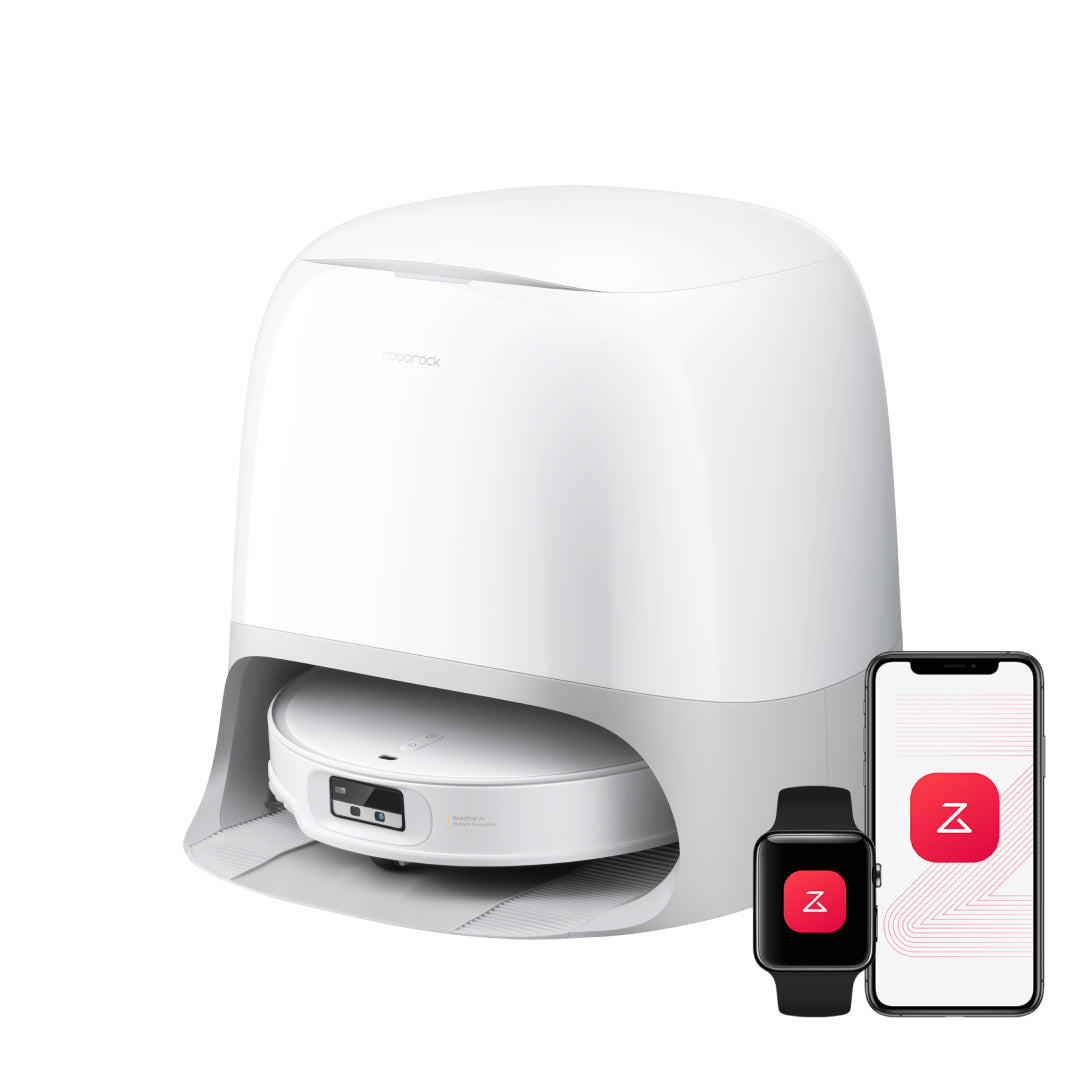
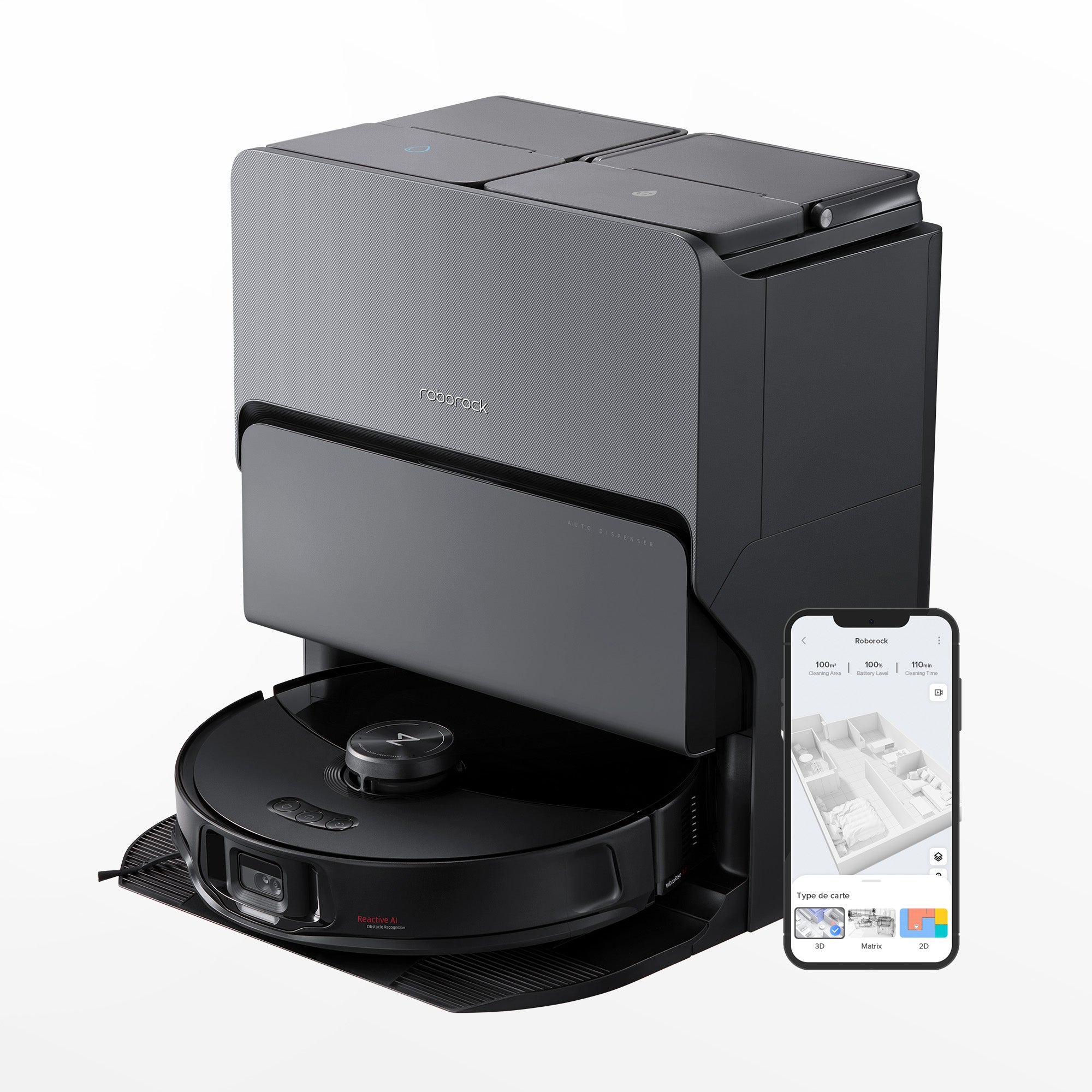
The CurvX relies on structured light without an RGB camera, which means it navigates around furniture and common objects effectively but cannot identify pet waste or classify what it’s avoiding. For homes without pets prone to accidents, this is a non-issue. The S8 MaxV Ultra adds an RGB camera for pet waste detection via its Reactive AI 2.0 system, though its avoidance has been noted as inconsistent with thin cables and shoelaces specifically.
The honest takeaway: if you have a consistently tidy home, even budget robots with basic LiDAR navigate well enough. Obstacle avoidance becomes essential when floors are unpredictable — kids, pets, multiple people leaving things everywhere. In that scenario, the L50 Ultra’s combination of triple-sensor detection and physical obstacle climbing is the most capable system you can buy, and the X50 Ultra is close behind at a lower price point. The T30S Omni offers decent avoidance at $599 but with a much narrower object library, making it best suited for homes where the main hazards are shoes and cables rather than the full chaos of daily family life.