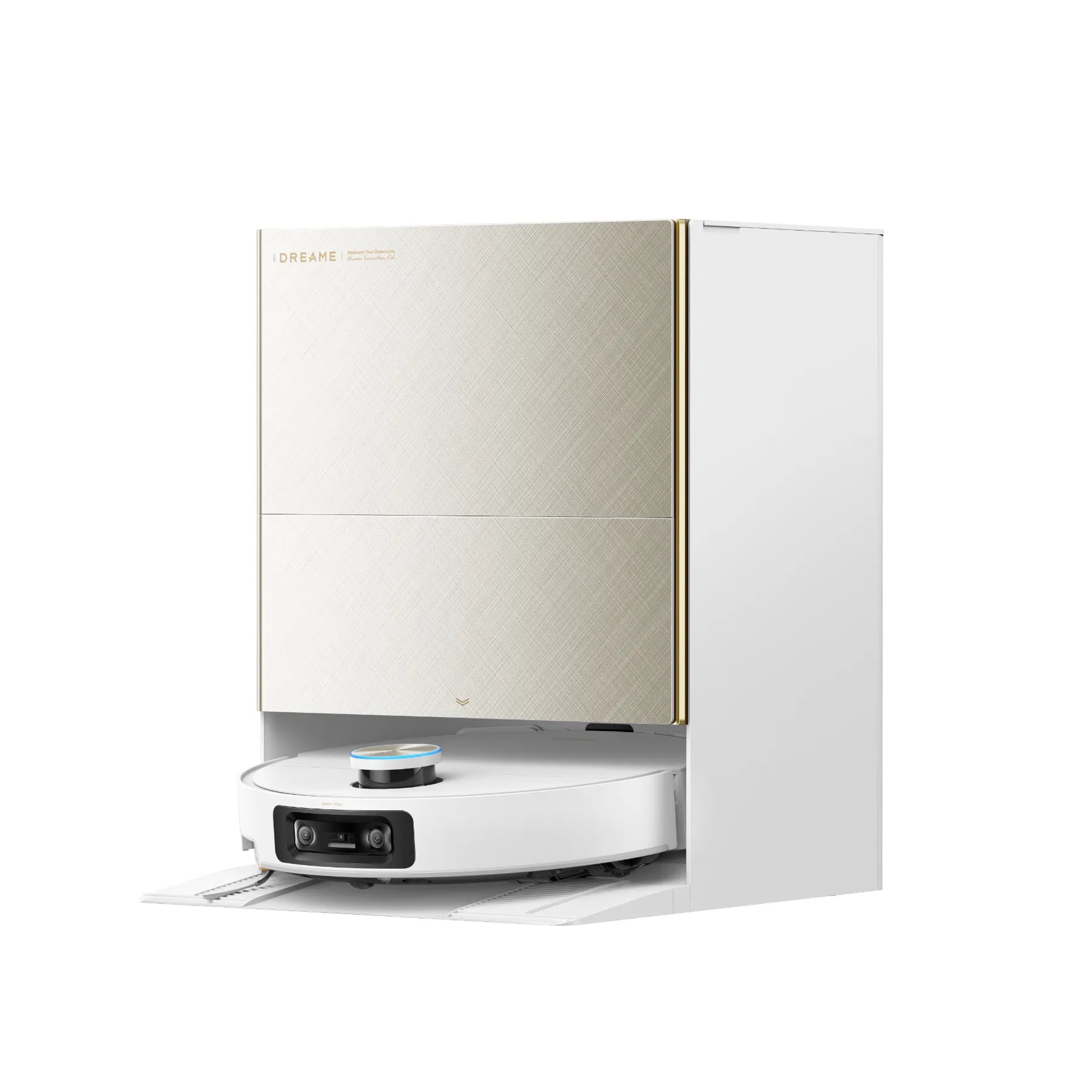
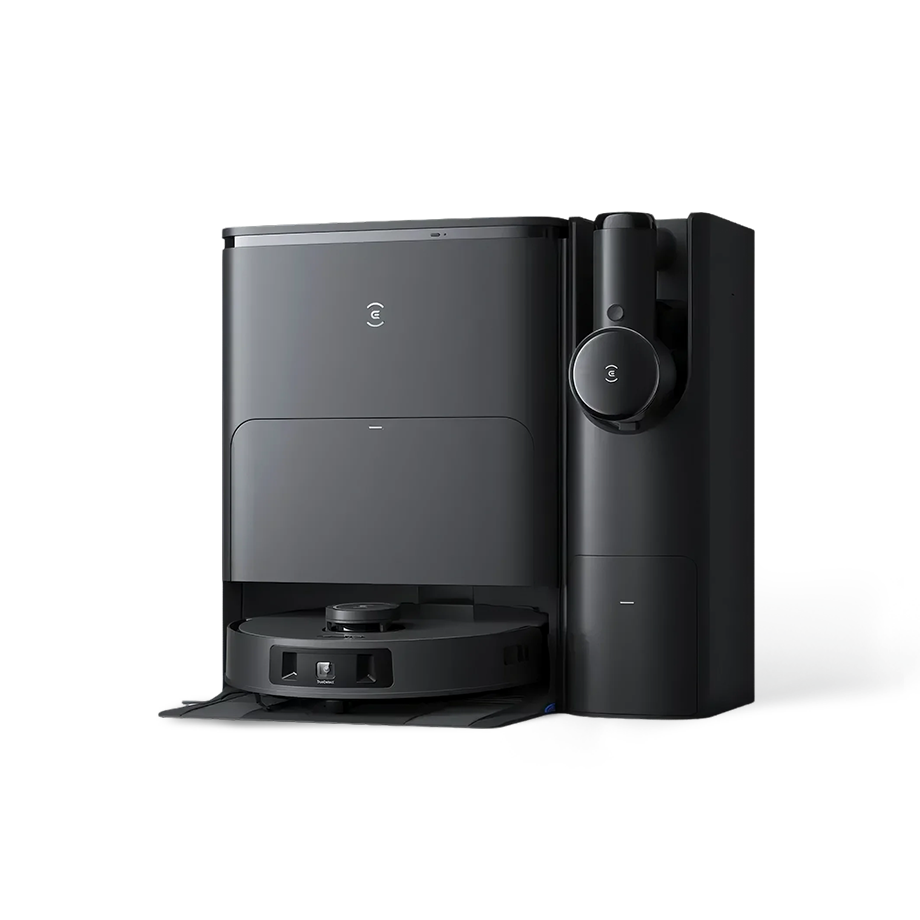
The Ecovacs Deebot T30S Omni costs around $450 on sale. The Dreame X60 Max Ultra Complete costs $1,699. That’s roughly 3.7 times the price. Is the X60 3.7 times better at cleaning your floors?
No. It isn’t even close. And understanding why is the key to spending your money wisely on a robot vacuum in 2026.
What the money actually buys
The T30S is a perfectly competent robot vacuum. It maps your home with LiDAR, avoids obstacles with a 4K camera, vacuums at 10,000Pa, mops with dual vibrating pads, and docks itself for hot water mop washing and auto-emptying. For the vast majority of homes — hardwood floors, a few area rugs, daily pet hair — it does the job without complaints.
So what changes when you triple your budget?
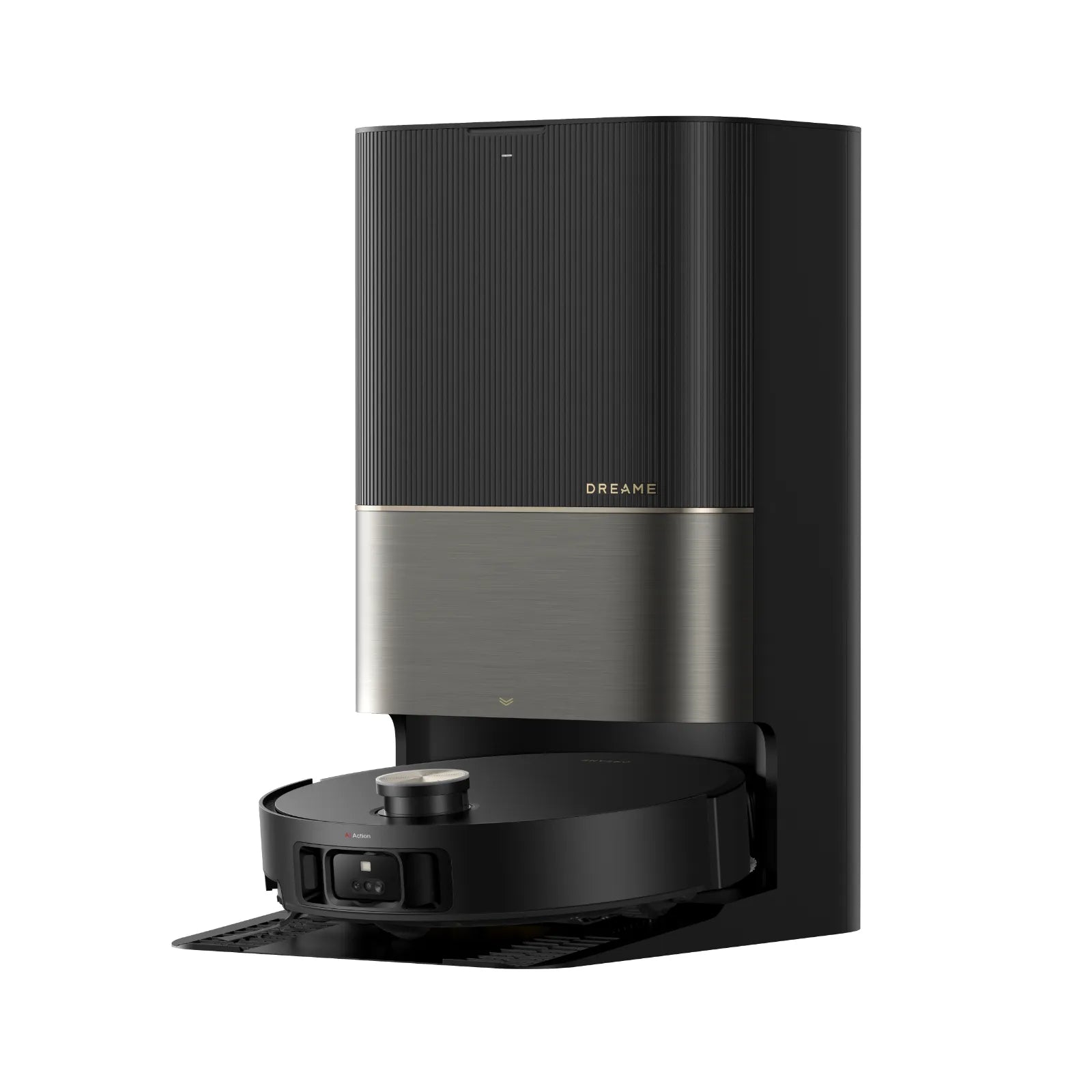
The Dreame X50 Ultra at $999 (its common sale price) jumps suction to 20,000Pa, adds ProLeap retractable legs that climb over door thresholds up to 2.36 inches, and introduces VersaLift retracting LiDAR that drops the robot to 3.5 inches for under-furniture access. The 80C on-robot hot water mopping is a step up from the T30S’s vibrating pads. These aren’t incremental improvements — the threshold-crossing legs solve a genuine, physical limitation that no firmware update can fix.
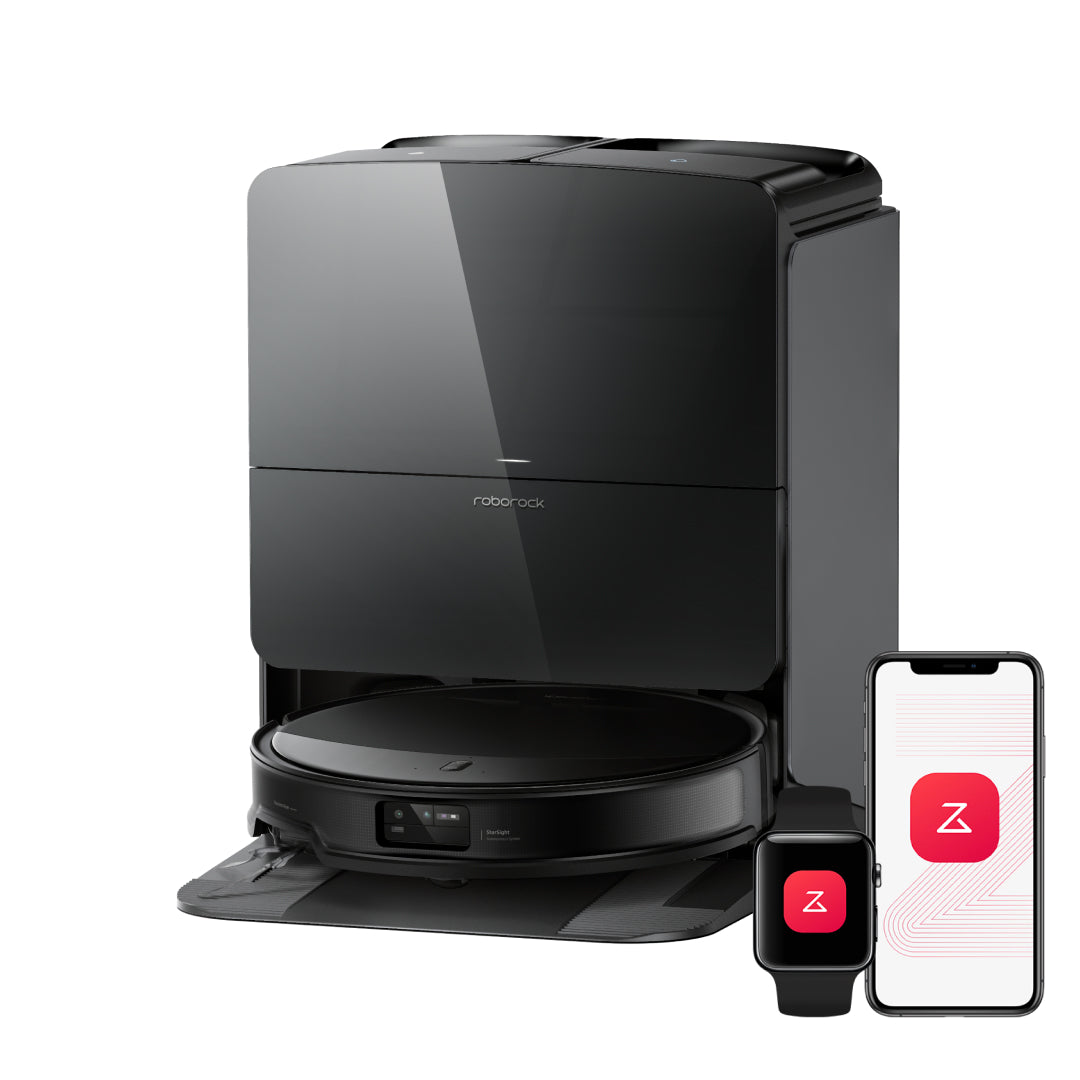
The Roborock Saros 10R at $1,299 takes a different approach: 22,000Pa suction with a FlexiArm side brush that extends into corners and edges other robots miss, paired with retractable LiDAR and one of the best app ecosystems in the business. It’s more of a refinement of everything rather than one headline innovation.
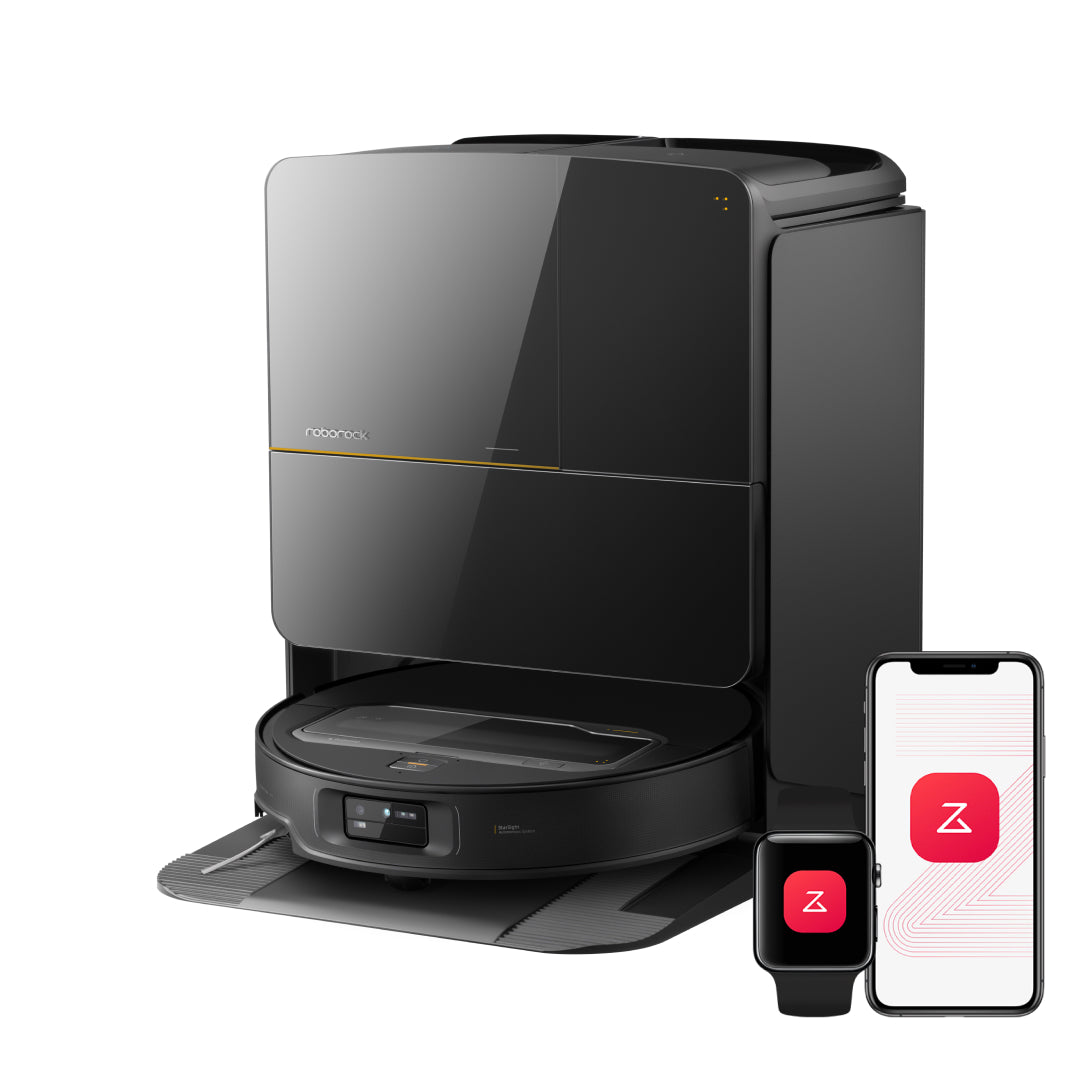
At the top, the Dreame X60 Max Ultra Complete ($1,699) and Roborock Saros Z70 ($1,999) push into genuine new territory. The X60 hits 35,000Pa and climbs obstacles up to 3.47 inches. The Z70 has a mechanical arm that picks objects off the floor before vacuuming. These are engineering marvels. They’re also first-generation features with real limitations — the Z70’s arm succeeds roughly half the time, and the X60 launched on a new platform without long-term reliability data.
Where diminishing returns kicks in
Here’s the uncomfortable truth the spec sheets don’t tell you: the cleaning quality difference between 10,000Pa and 20,000Pa is significant on carpet. The difference between 20,000Pa and 35,000Pa is marginal on anything except deep-pile shag. Most homes have low-to-medium pile carpet, area rugs, or primarily hard floors. Past 18,000-20,000Pa, you’re buying numbers more than results.
Navigation tells a similar story. The T30S recognizes 22 obstacle types. The X50 Ultra handles 60+. The X60 reaches 280+. But in practice, the objects that actually cause problems — shoes, pet bowls, charging cables — fall into the first 20-30 types. Recognizing 280 types sounds impressive until you realize your robot encounters maybe 10 of them regularly.
The genuine differentiators at the premium tier are physical, not digital. ProLeap legs that cross thresholds. Retractable LiDAR for under-furniture access. Extending mop arms for edge coverage. These solve problems that cheaper robots genuinely cannot solve, no matter how good their software gets.
The sweet spot exists around $800-1,000
After spending time with robots across every price tier, the honest answer is that the most impactful jump in capability happens between $450 and $850. Moving from the T30S to something like the Roborock Qrevo CurvX ($849) or the Dreame X50 Ultra at its $999 sale price gets you meaningfully better suction, slimmer profiles for under-furniture cleaning, threshold crossing, and hot water mopping — features that change how the robot interacts with your home’s actual layout.
Spending above $1,000 buys you either the very best version of proven technology (the L50 Ultra at $1,199, currently ranked number one by Vacuum Wars) or first-generation innovations that haven’t fully matured (the Z70’s arm, the X60’s untested platform). The former can be worth it for buyers who want the absolute best and are done upgrading for several years. The latter is for early adopters who enjoy being on the cutting edge and accept the risk.
Who should spend over $1,000
You should seriously consider a premium robot if your home has multiple floor transitions with raised thresholds (ProLeap legs are the only solution), if you have a large home over 2,500 square feet where battery life and mapping precision matter more, or if you have a mixed-surface layout with thick carpet alongside hardwood where maximum suction makes a measurable difference.
Who shouldn’t
If you have a smaller home with primarily hard floors, a mid-range robot between $400-600 will clean just as well as anything costing twice the price. The T30S at $450 with its full OMNI dock is arguably doing 85% of what a $1,500 robot does — for 30% of the cost. The Dreame L40 Ultra Gen 2 at $549 pushes that to 90% with 25,000Pa suction and a hot water dock.
The premium tier exists because some people want the best and some homes genuinely need it. But for most buyers, the mid-range is where the math makes the most sense. And there’s nothing wrong with admitting that.