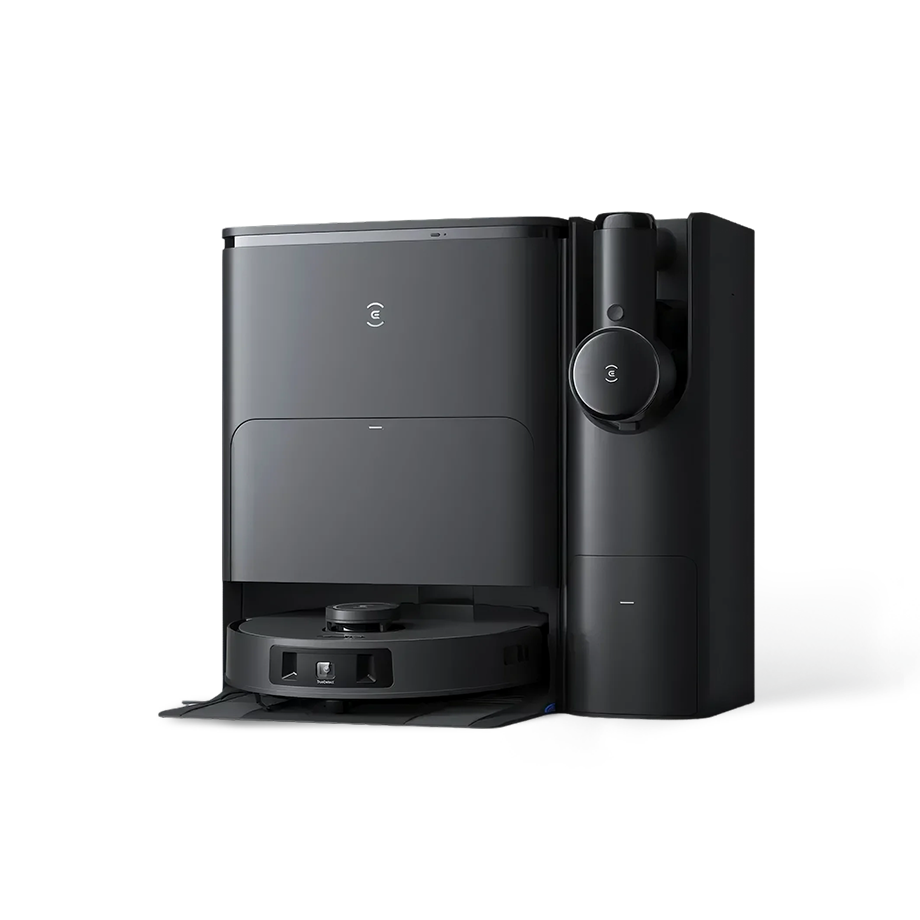
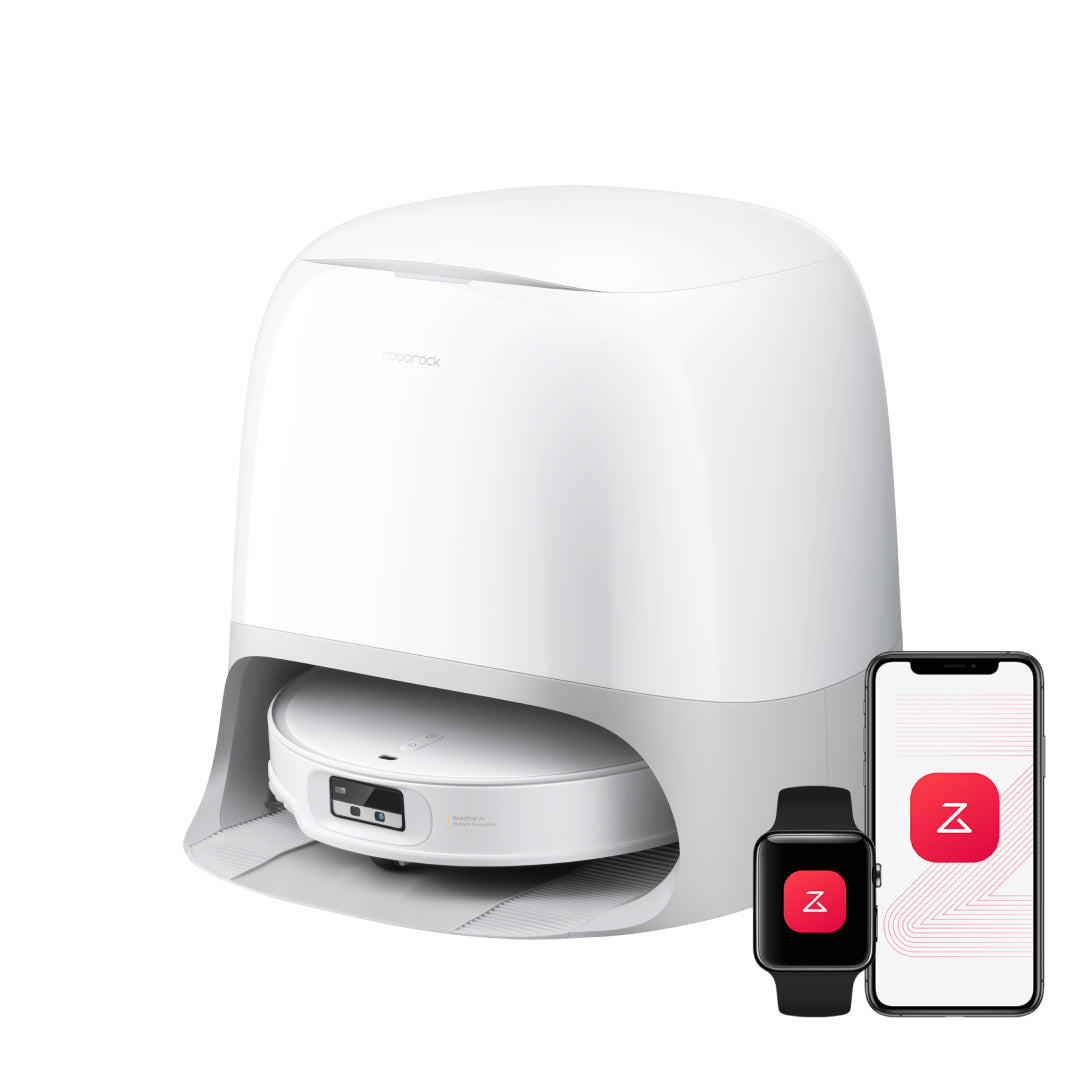
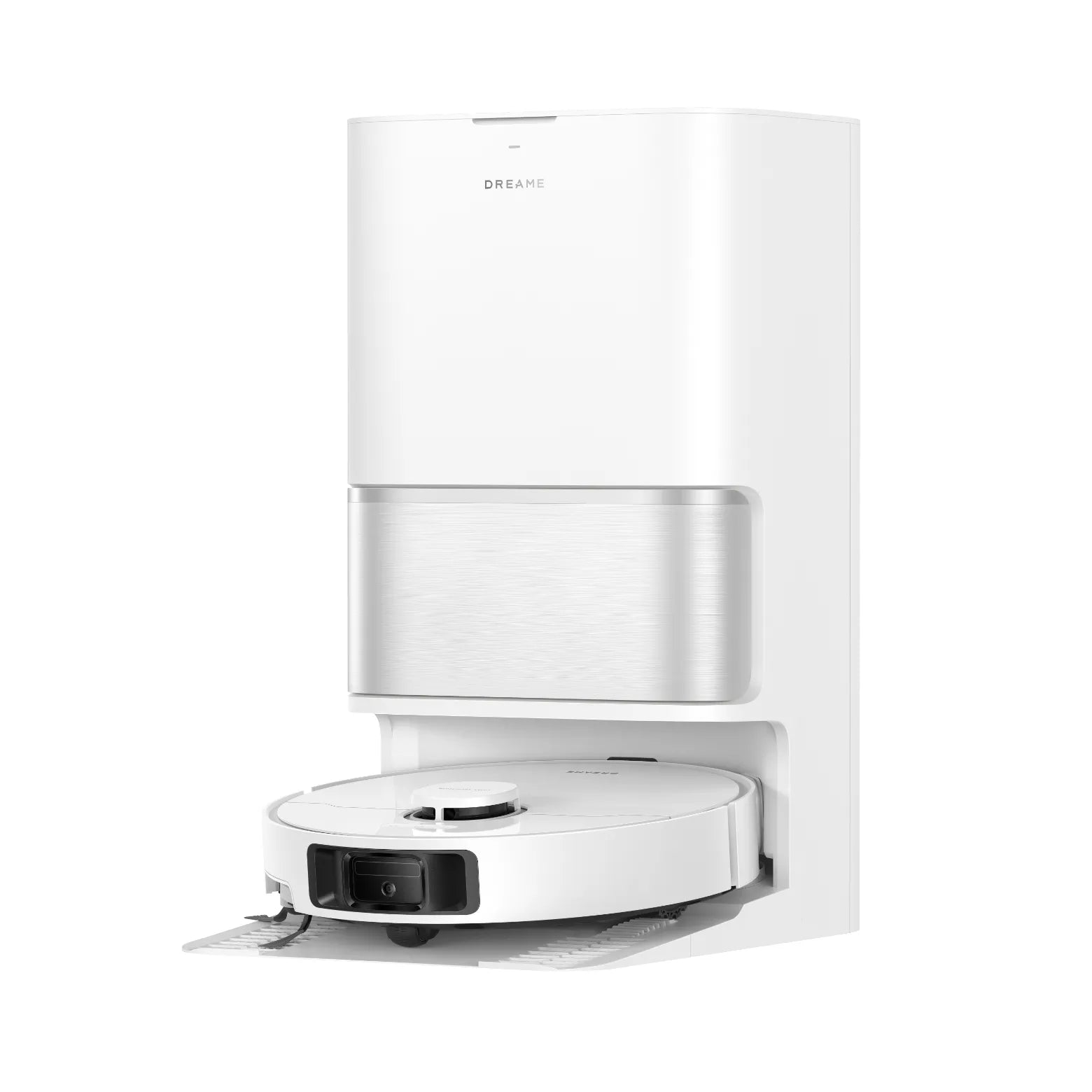
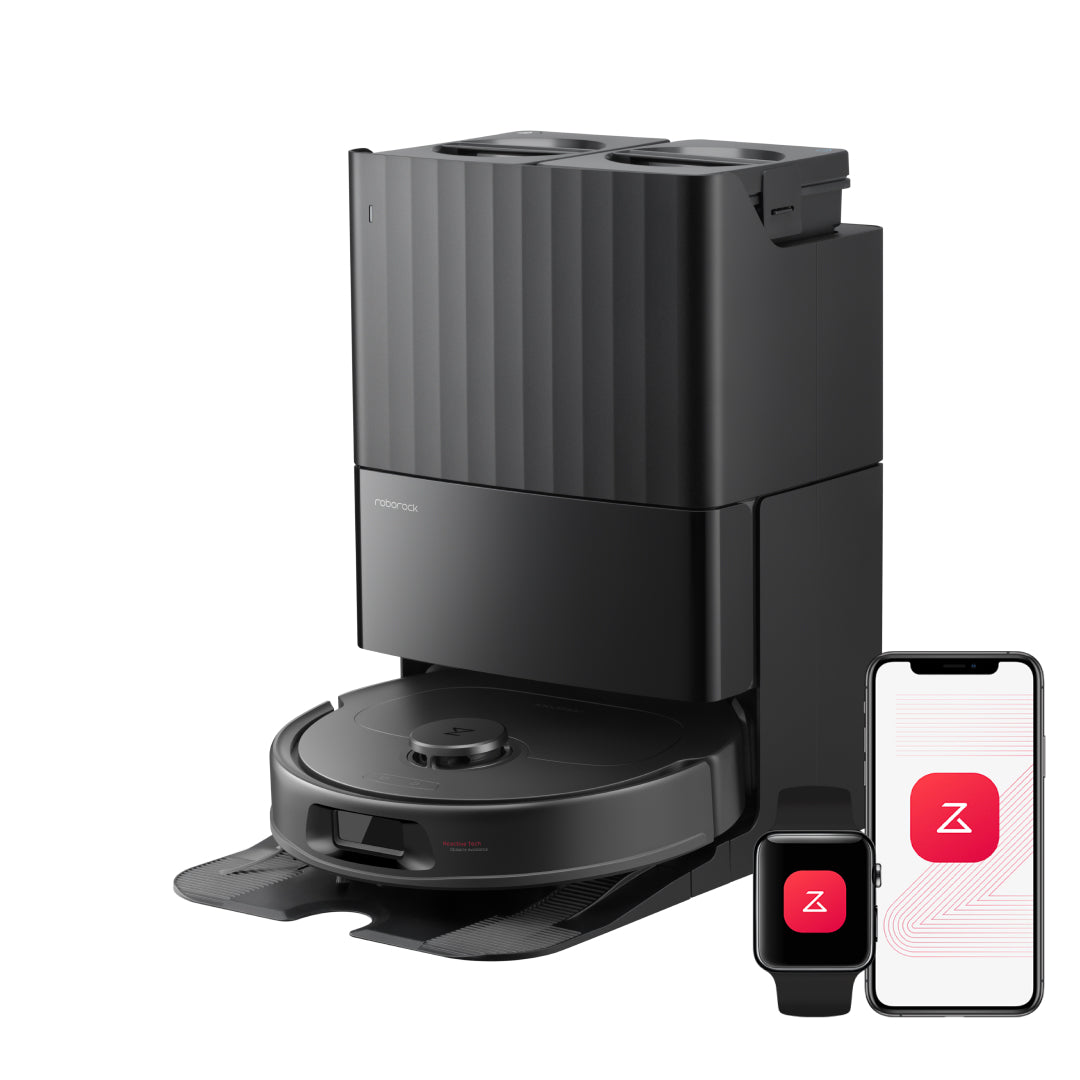
The single feature that turns a robot vacuum from a gadget into a genuine appliance is self-emptying. Without it, you’re opening a dustbin every day or two, tapping debris into a trash can, and occasionally fishing out a clump of hair that didn’t shake loose. With a self-emptying dock, the robot returns home after each run, a burst of air sucks the dustbin contents into a sealed bag or container, and you forget the thing exists for weeks — sometimes months.
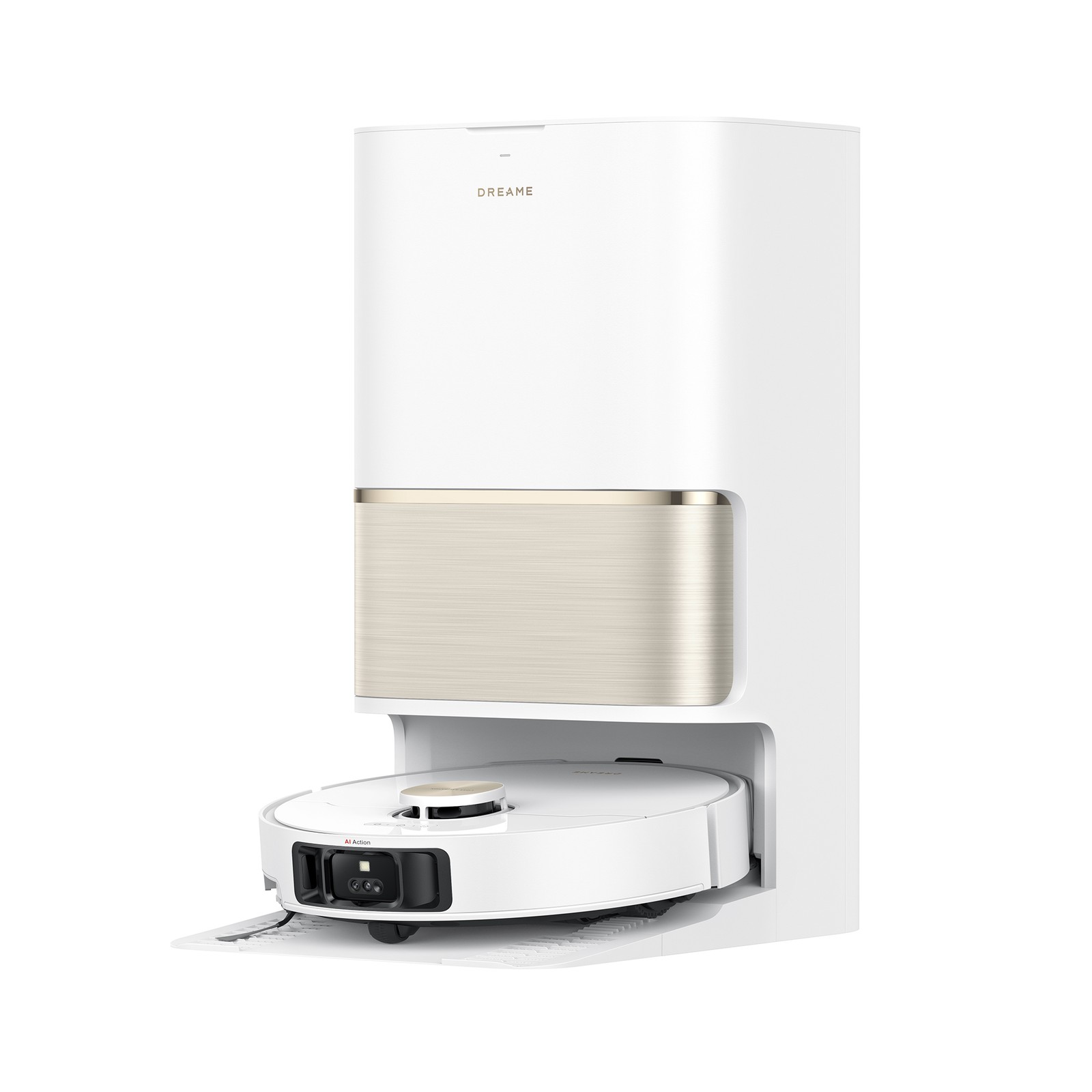
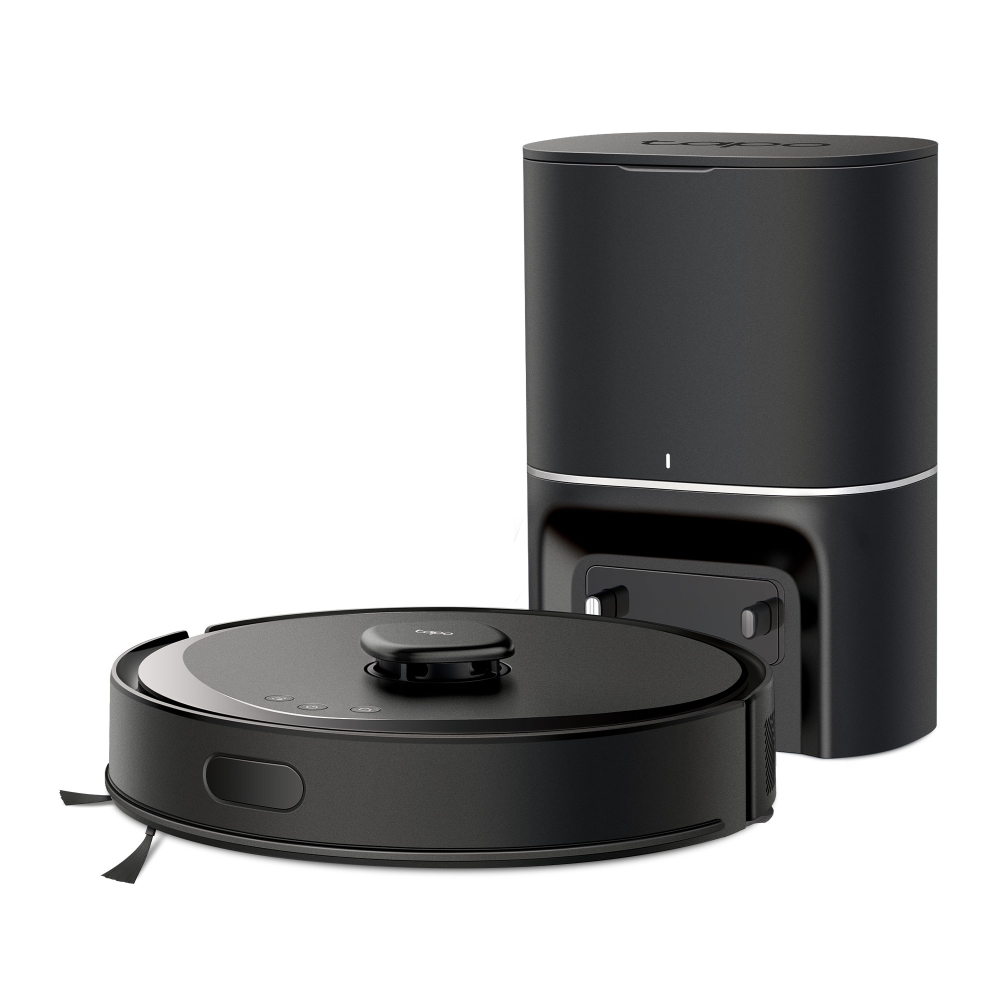
That core promise hasn’t changed, but the range of what “self-emptying” includes in 2026 has expanded dramatically. At the low end, the Tapo RV30 Max Plus gives you a basic self-empty station with a 45-day disposable bag for $229. At the top, the Dreame L50 Ultra’s AceClean DryBoard dock empties dust, washes mops with 167-degree water, dries them with hot air, refills its own water tank, and stores 100 days of debris. The price gap between those two is nearly $1,000, and understanding where your money actually goes is the key to not overspending.
Bag vs bagless is your first decision. Most self-emptying docks in 2026 use sealed disposable bags — the Tapo RV30, the CurvX, the L40 Ultra Gen 2, and the L50 Ultra all ship with bagged systems. Bags trap fine dust and allergens better than bagless containers, they don’t create a dust cloud when you remove them, and they typically hold 45 to 120 days of debris depending on the bag size and how much your household generates. The downside is ongoing cost: replacement bags run $3-5 each, adding $15-30 per year. The Qrevo 35A and T30S Omni also use bags in their omni docks. Bagless alternatives exist but are rarer at this tier — you’re usually trading convenience for a few dollars in annual savings.
The noise question is real. Every self-emptying dock sounds like a leaf blower for 10-30 seconds when the robot returns. It’s genuinely startling at first, and if the dock is in a bedroom or home office, you’ll notice. Most models empty between 65-75 dB, which is louder than the robot’s actual cleaning cycle. There’s no way around this — the air pressure required to evacuate a dustbin is inherently noisy. Scheduling your robot to clean while you’re out eliminates the annoyance entirely, and it’s what most owners end up doing.
Where the “omni” premium goes. The jump from a basic self-empty dock to a full omni station adds mop washing, drying, and usually auto water refill. The T30S Omni at around $599 is the most affordable way to get the complete package — self-empty plus hot water mop wash plus hot-air drying. The L40 Ultra Gen 2 at $549 matches that and adds auto solution dispensing. Both represent a genuine category shift: you fill the clean water tank once a week and empty the dirty tank, and the dock handles everything else.
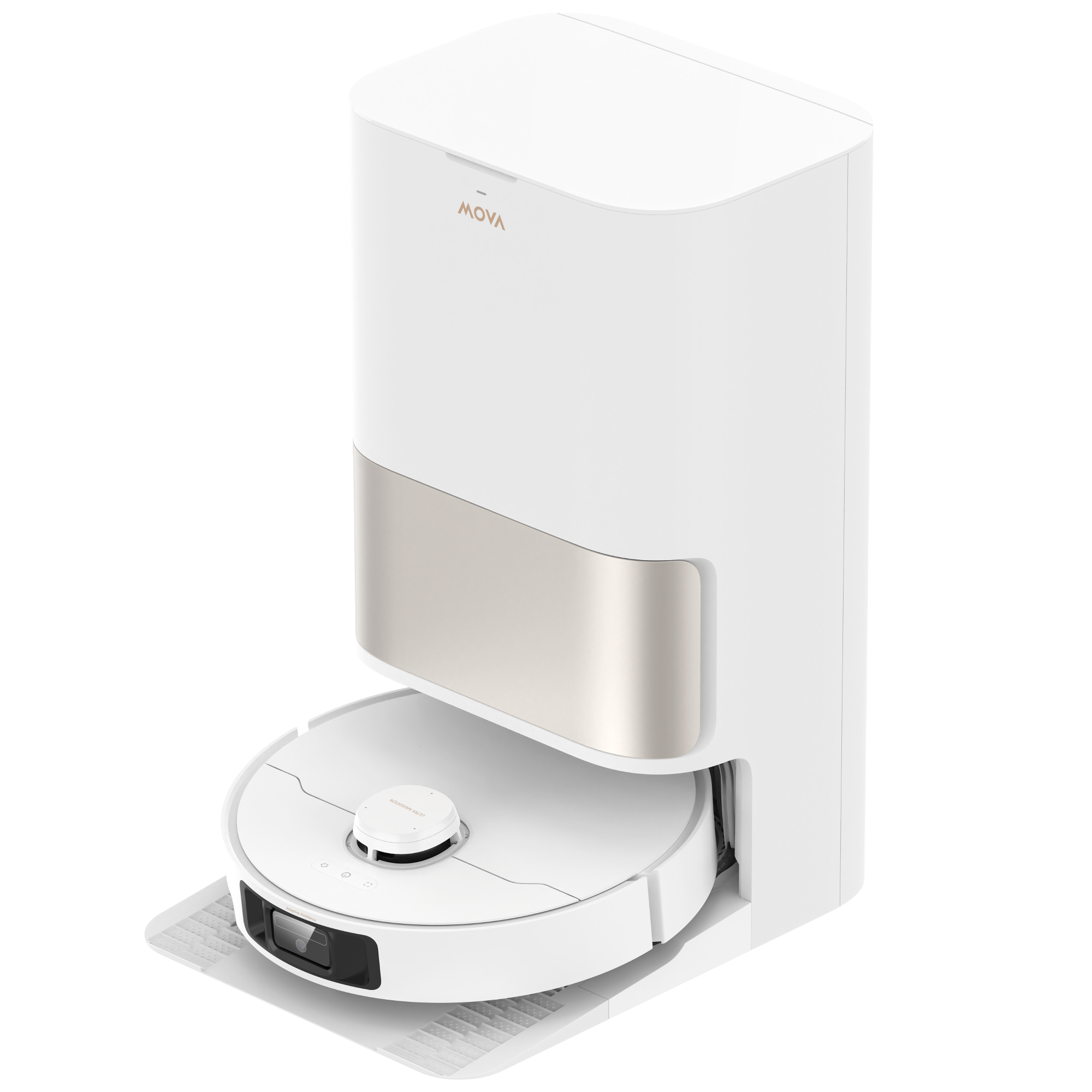
The MOVA P10 Pro Ultra takes an interesting position at $599 with 212-degree hot water mop washing — the highest temperature in this group — paired with 26,000Pa suction that beats robots costing twice as much. The 3-year warranty is unusual too, and it signals MOVA’s confidence in dock reliability, which matters because the dock is the component most likely to develop issues over time.
When self-emptying is NOT worth the premium. If you live in a small apartment under 800 square feet, the robot’s onboard dustbin fills slowly enough that manual emptying once a week isn’t burdensome. The Tapo RV30 at $229 is the cheapest path to hands-free dust management, but a comparable robot without the dock might cost $150 — so you’re paying roughly $80 for the convenience of not opening a dustbin. For some people that’s an easy yes; for others in tight spaces, it’s money better spent on better suction or navigation.
For larger homes, families with pets, or anyone who genuinely wants to forget their robot exists between monthly water refills, the L40 Ultra Gen 2 at $549 is the pick that makes the most practical sense. It pairs the highest suction in its price tier at 25,000Pa with a fully equipped omni dock, and the MopExtend arm handles edge mopping that cheaper robots miss entirely. The CurvX at $849 steps up with an ultra-slim 3.14-inch profile that reaches under furniture the L40 cannot, plus 176-degree hot water mop washing — a meaningful upgrade if you have low bed frames and couches. And the L50 Ultra remains the overall benchmark, though its $1,199 street price only makes sense if you want the ProLeap obstacle-crossing legs and the longest self-empty interval at 100 days.