Value isn’t about finding the cheapest option. It’s about finding the robot where the gap between what you pay and what you get is widest — in your favor. These six picks all share one trait: they made us double-check the price because the spec sheet didn’t match the sticker.
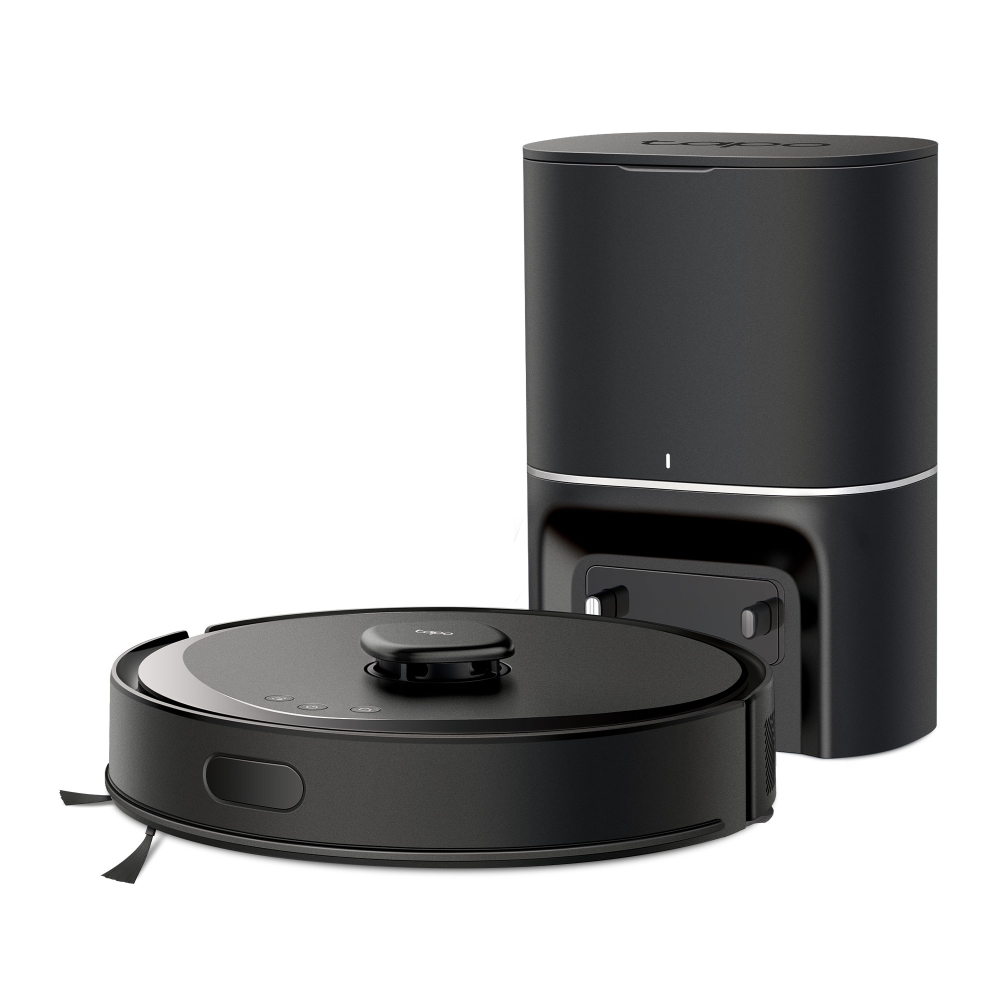
Tapo RV30 Max Plus — $229
Start here, because the RV30 Max Plus sets the floor for what “good enough” means in 2026. At $229, you get LiDAR navigation (not bumper-nav), 12,000Pa suction, a self-emptying dock, and a vibrating mop pad with auto-lift on carpet. Vacuum Wars ranked it their number one pick under $300, and it’s easy to see why.
The catches are real: no obstacle avoidance camera, a single mop pad that won’t handle dried-on messes, and the dock doesn’t wash the mop for you. But for a first robot vacuum, a rental apartment, or a secondary unit for upstairs, nothing else at this price delivers this much capability. Two years ago, a robot with LiDAR and a self-empty dock cost $500 minimum.
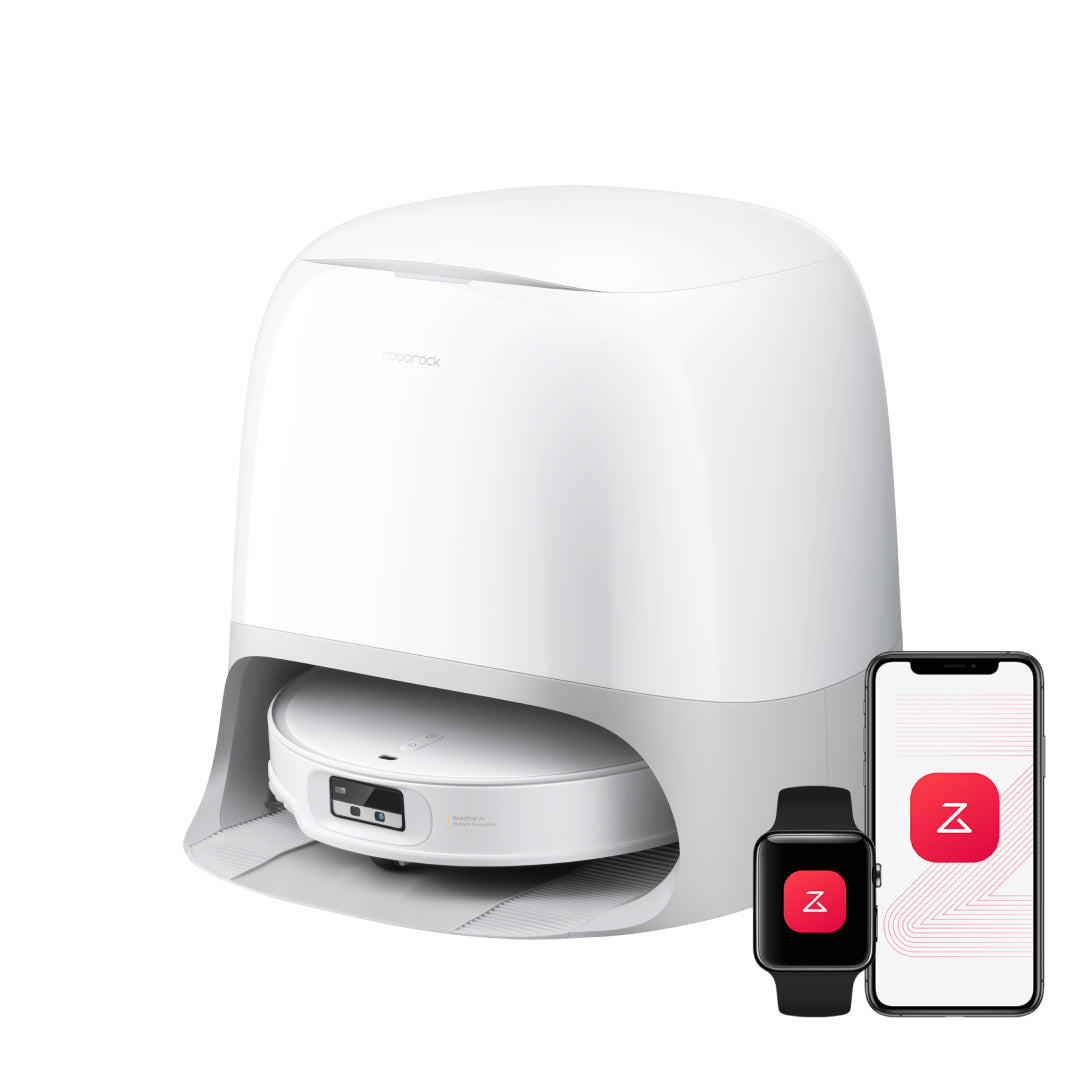
Roborock Qrevo 35A — $450
The 35A is the quiet overachiever in Roborock’s lineup. Its all-in-one dock handles auto-emptying, mop washing, warm air drying, and water refill — the full convenience package — at a price where most competitors still ship with basic charging cradles. The dual spinning mops with 10mm auto-lift keep carpet genuinely dry, and the zero-tangle brush system handles pet hair without the wrap-around mess.
Its weakness is 8,000Pa suction, which trails the mid-range pack by a wide margin. On hard floors, that doesn’t matter much. On medium-pile carpet, you’ll want multiple passes. But if your priority is a robot that takes care of itself — one you set up and forget about — the 35A nails the maintenance-free experience at a price that undercuts rivals by $100-200 for equivalent dock features.
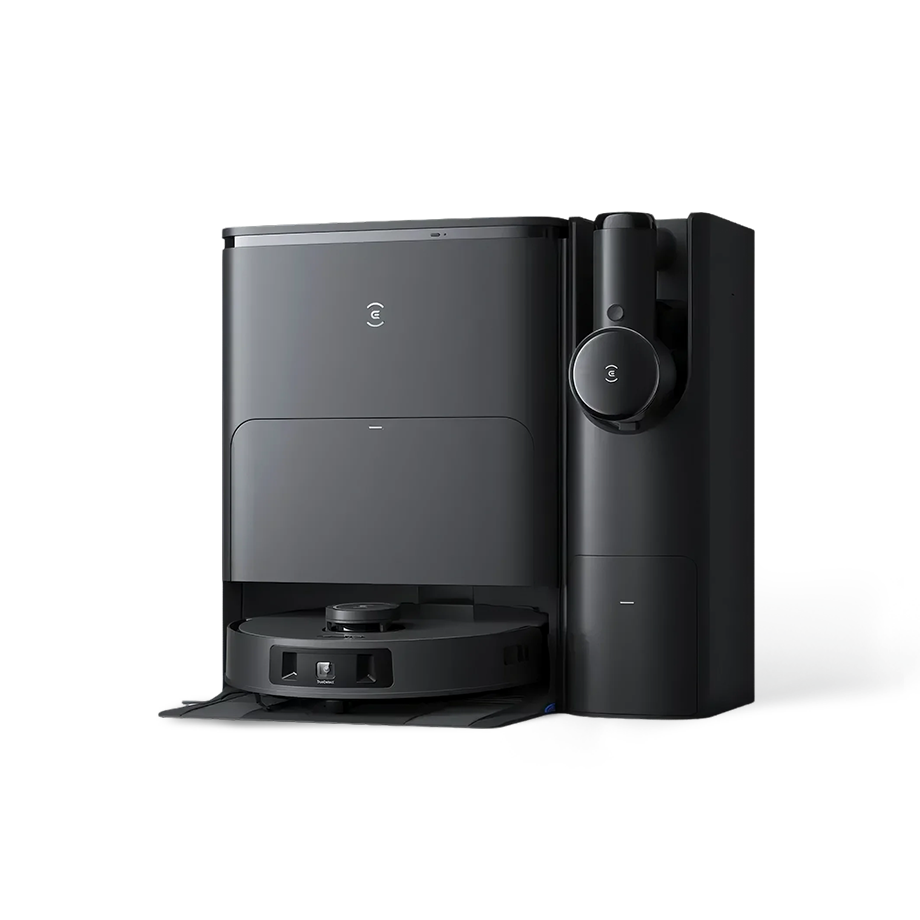
Ecovacs Deebot T30S Omni — $450-599
The T30S belongs on every value list because it answers a simple question: what is the least you can spend and get a fully featured robot vacuum? The answer, as of early 2026, is about $450 on sale.
At that price, the T30S delivers the complete OMNI station — hot water mop wash, 60-day auto-empty, hot-air drying, and auto water refill. The AIVI 3.0 camera recognizes 22 obstacle types including pet waste. The dual vibrating mop pads lift automatically on carpet. Matter compatibility means it works with Apple Home, Google, and Alexa without extra apps or hubs.
Its 10,000Pa suction won’t win benchmark tests, and the 22-type obstacle recognition looks modest next to robots identifying 100+ objects. But in daily use, the T30S handles maintenance cleaning across hard floors and low-pile carpet without asking anything of you. For a first full-featured robot, it remains the safest recommendation we can make.
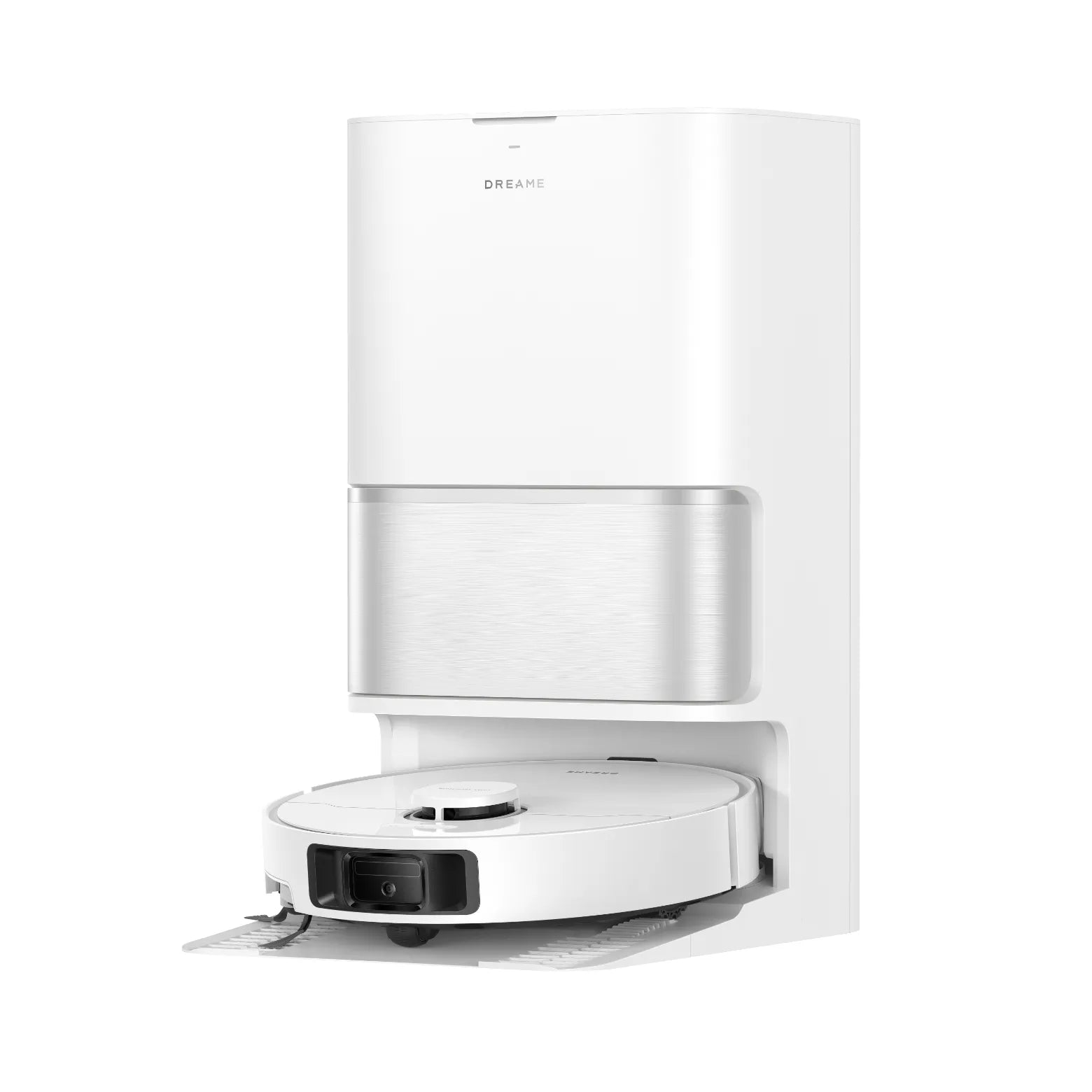
Dreame L40 Ultra Gen 2 — $549
This is the pick that genuinely surprised us. At $549, the L40 Ultra Gen 2 delivers 25,000Pa suction — higher than the Dreame L50 Ultra ($1,199) and matching robots that cost twice as much. The hot water dock washes mops at 149F, the MopExtend arm reaches wall edges that standard spinning pads leave dirty, and the RGB camera enables AI obstacle avoidance that you’d normally need to spend $800+ to get.
The trade-off is a single roller brush that struggles on thick carpet and a navigation system that occasionally over-cleans some rooms while shortchanging others. It’s also a very new model, so long-term reliability is still an open question. But on paper and in early testing, the L40 Ultra Gen 2 offers the most raw capability per dollar of any robot vacuum we’ve seen. Dreame essentially took their premium feature set and shoved it into a mid-range price — and that’s exactly the kind of aggressive move that makes this list.
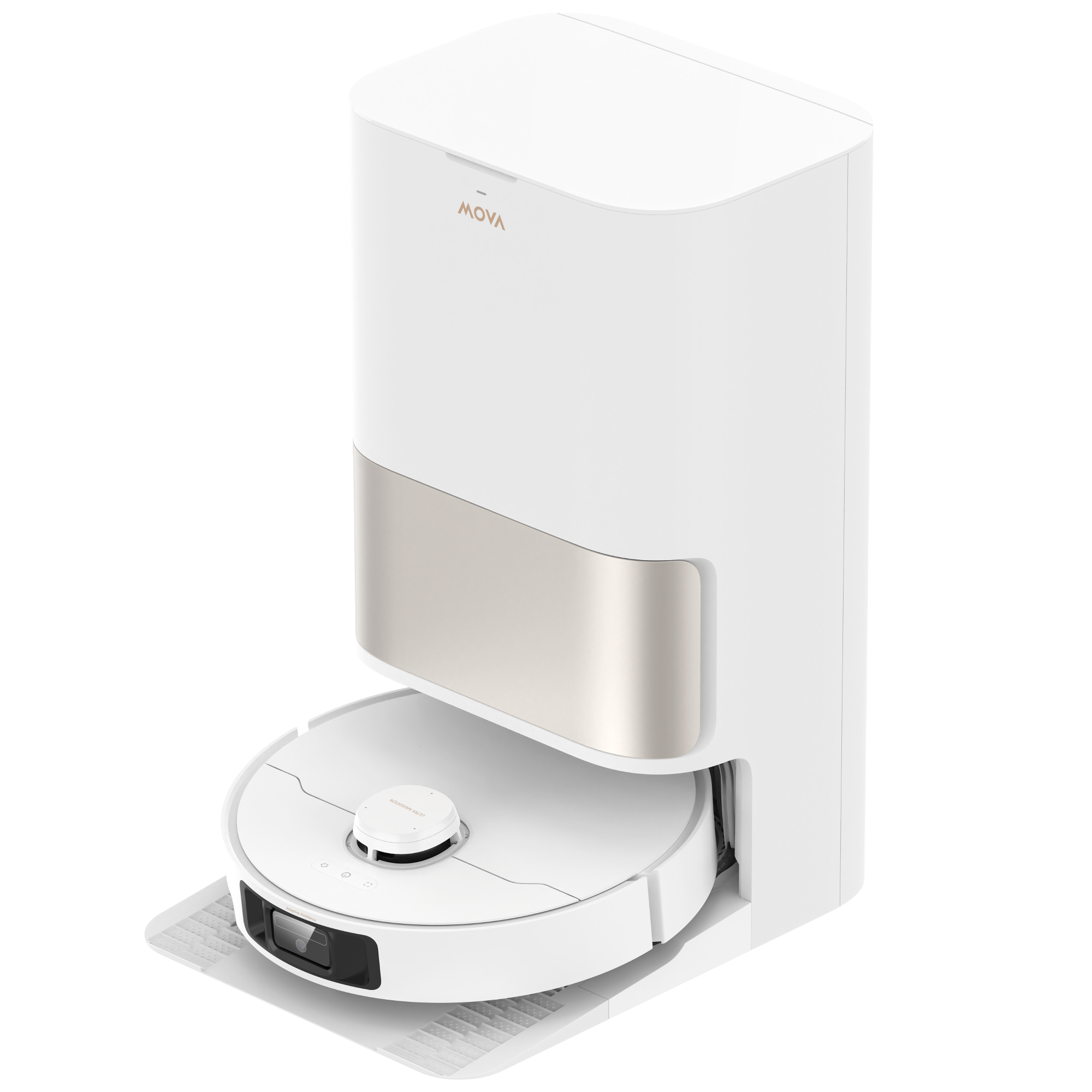
MOVA P10 Pro Ultra — $599
MOVA doesn’t have the name recognition of Dreame or Roborock, which is precisely why the P10 Pro Ultra is priced where it is. At $599, it delivers 26,000Pa suction (the highest on this list), 212F hot mop washing (also the highest), and a MaxiReach extending mop for edge coverage. Vacuum Wars gave it three awards, which is the kind of third-party validation that matters for a lesser-known brand.
The three-year warranty is the quiet standout here. In a market where most competitors offer one year, MOVA is betting on its own reliability — and backing that bet with your money, not just theirs. The navigation lacks an RGB camera, and brand recognition means lower resale value if you upgrade later. But if you’re keeping your robot for the full three years, the P10 Pro Ultra delivers flagship-adjacent cleaning at a mid-range price with warranty coverage that outlasts everything else on this list.
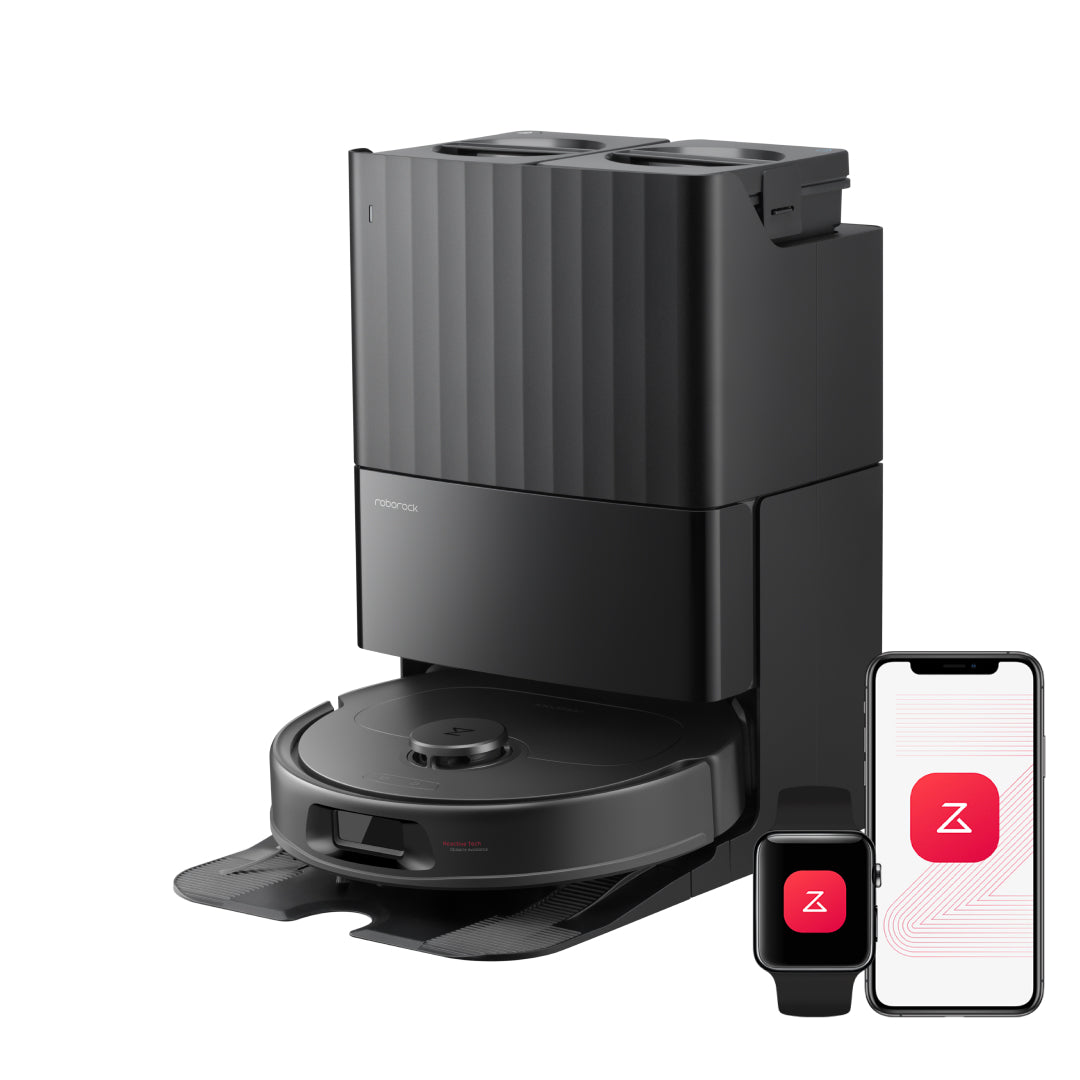
Roborock Qrevo CurvX — $849
The CurvX sits at the top of this list both in price and in the “I can’t believe this doesn’t cost more” factor. Its 22,000Pa suction matches the $1,999 Saros Z70. Its 3.14-inch profile fits under furniture that 90% of competing robots cannot reach. The AdaptiLift chassis clears 4cm thresholds, the 176F hot water dock handles mop hygiene, and the DuoDivide brush achieves a 0% hair tangle rate in testing.
At $849, you’re getting what is essentially the Saros Z70’s cleaning platform without the mechanical arm — for $1,150 less. The missing RGB camera means no pet waste avoidance or video monitoring, and the 150-minute battery is shorter than average. But for buyers who want near-flagship performance in a slim, threshold-crossing package without crossing the $1,000 line, the CurvX is the obvious answer. It’s the robot we’d buy with our own money.
Our honest take
The mid-range market in 2026 is absurdly competitive. Features that commanded $1,200+ two years ago — hot water docks, extending mop arms, 20,000Pa+ suction — now show up at $549. If you’re still on an older budget robot, our upgrade guide breaks down exactly what changes when you step up. That compression benefits buyers enormously, but it also means the premium tier has to justify itself harder than ever. If value is what you’re optimizing for, your sweet spot lives somewhere between $450 and $850 — and every robot on this list proves it.