You bought a $150 robot vacuum — maybe a Eufy, a Lefant, or one of those Roomba 600-series models that have been on clearance forever — and it works. Sort of. It picks up crumbs on hardwood, runs into chair legs occasionally, and you empty the dustbin every other day while wondering if this is really what the future of cleaning looks like.
The honest truth: on bare hard floors, a $150 robot already does 80% of what a $700 robot does. It picks up surface debris. It runs on a schedule. It gets the job done if your expectations are “visibly cleaner floors.” So before you spend another $400-600, you should know exactly what changes and what doesn’t.
What Dramatically Improves
Navigation goes from drunk roommate to GPS. Budget robots use gyroscope or basic bump sensors, which means they wander semi-randomly and miss patches. A mid-range robot with LiDAR builds a precise map of your home on the first run and follows efficient straight-line paths afterward. You’ll notice fewer missed spots and faster total cleaning time — often 40-50% faster for the same square footage.
The dock takes over the dirty work. This is the single biggest quality-of-life jump. Budget robots have no dock or a charging-only dock, which means you’re emptying a tiny dustbin every run or two. A self-emptying dock holds 60-100 days of debris. Add mop washing and drying to that dock, and you genuinely stop thinking about your robot between filter changes. It just runs.
Obstacle avoidance stops being a joke. Your budget robot bumps into everything. Mid-range robots with structured light or camera-based avoidance navigate around shoes, pet bowls, and cables without contact. The difference is especially noticeable if you have kids or pets — less stuff gets pushed around, fewer things get stuck.
Mopping goes from gimmick to functional. Most budget robots with mopping capability just drag a damp cloth. Mid-range spinning or vibrating pads with downward pressure actually scrub dried coffee rings and kitchen grease. Combined with a dock that washes the pads in hot water between runs, mopping becomes a real feature instead of a marketing checkbox.
What Stays Roughly the Same
Basic hard floor vacuuming. A $600 robot picks up the same surface-level dust and crumbs on hardwood that your $150 robot already handles. The suction difference (say, 2,000Pa versus 25,000Pa) matters most on carpet and for embedded fine dust — not for the visible dirt on tile that prompted you to buy a robot in the first place.
The Upgrade Tiers
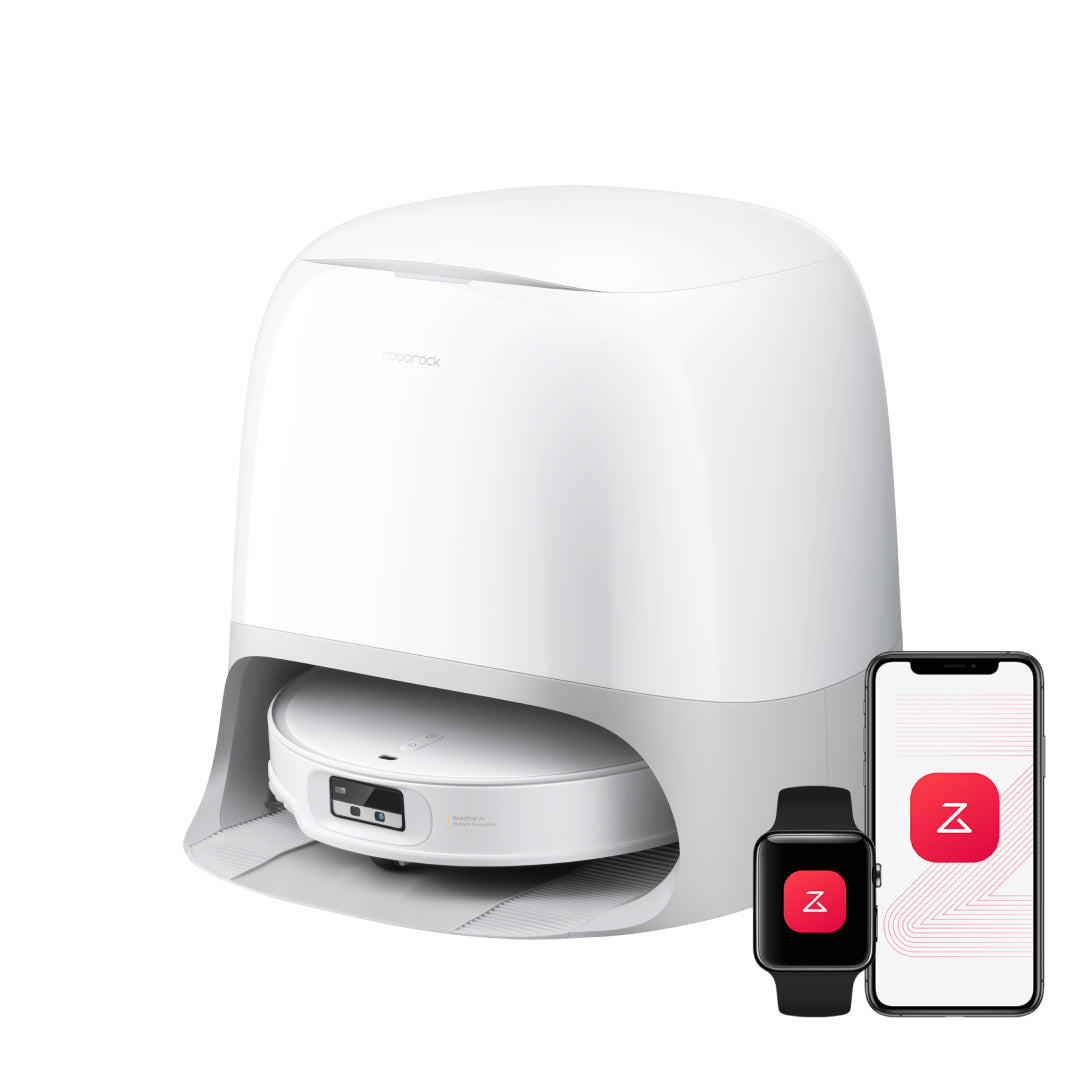
Around $400-450: The Roborock Qrevo 35A gets you into the self-emptying dock world with LiDAR navigation and dual spinning mops. At 8,000Pa, suction isn’t record-breaking, but the all-in-one dock transforms the daily experience. This is the smallest meaningful upgrade from a budget robot.
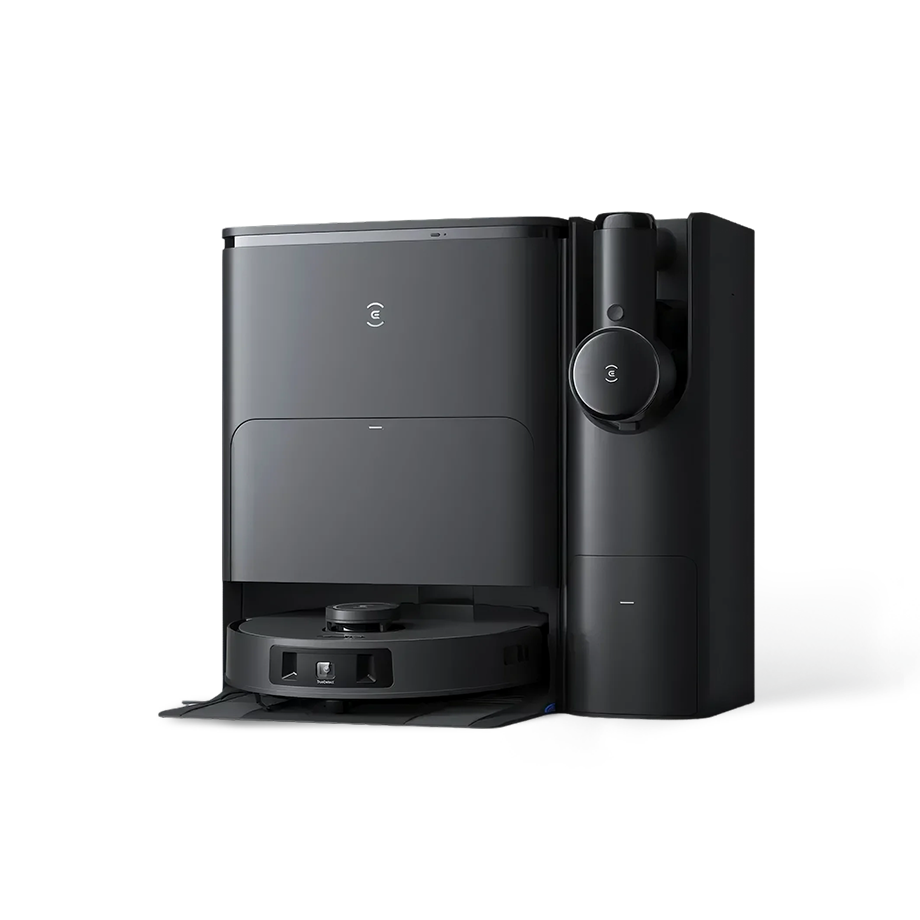
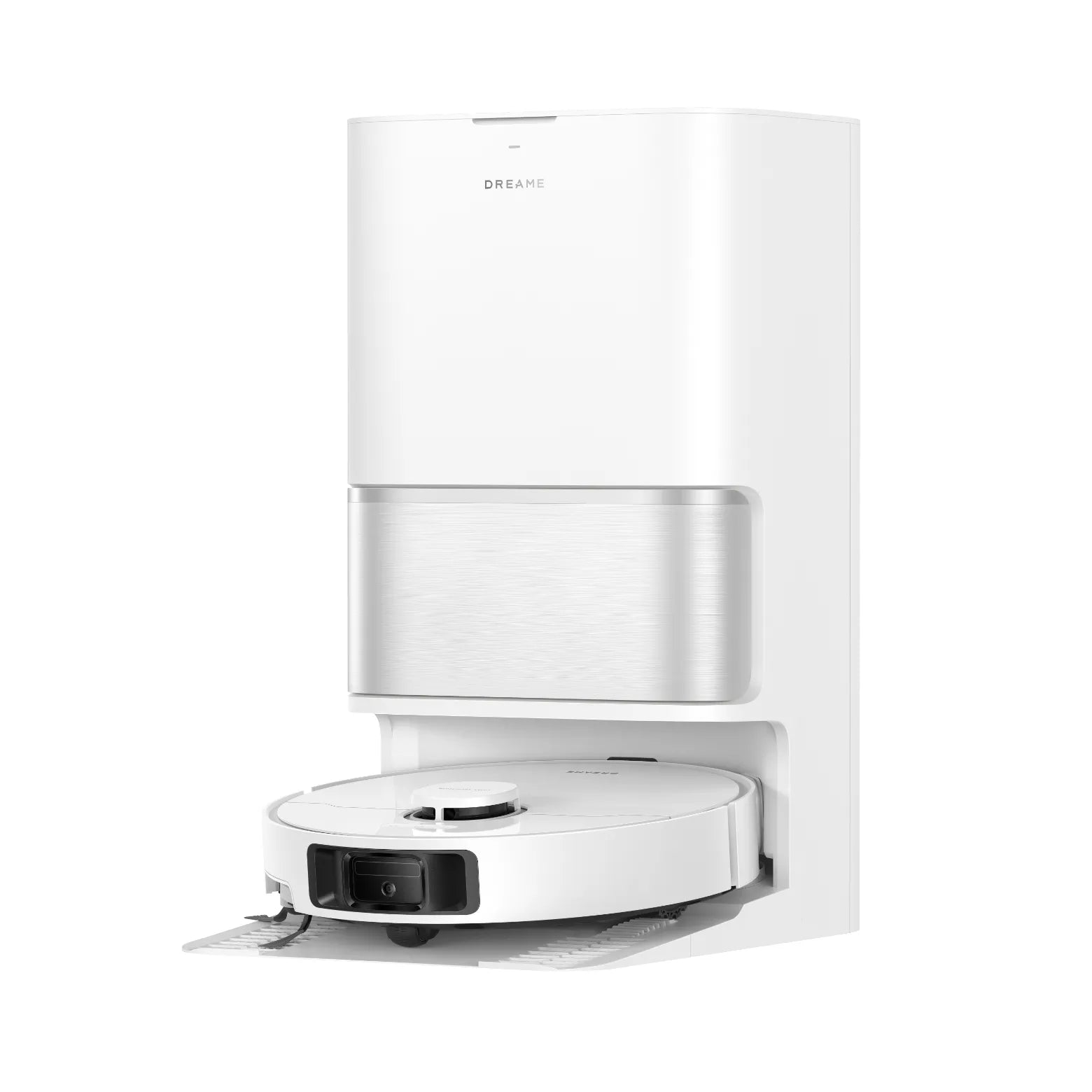
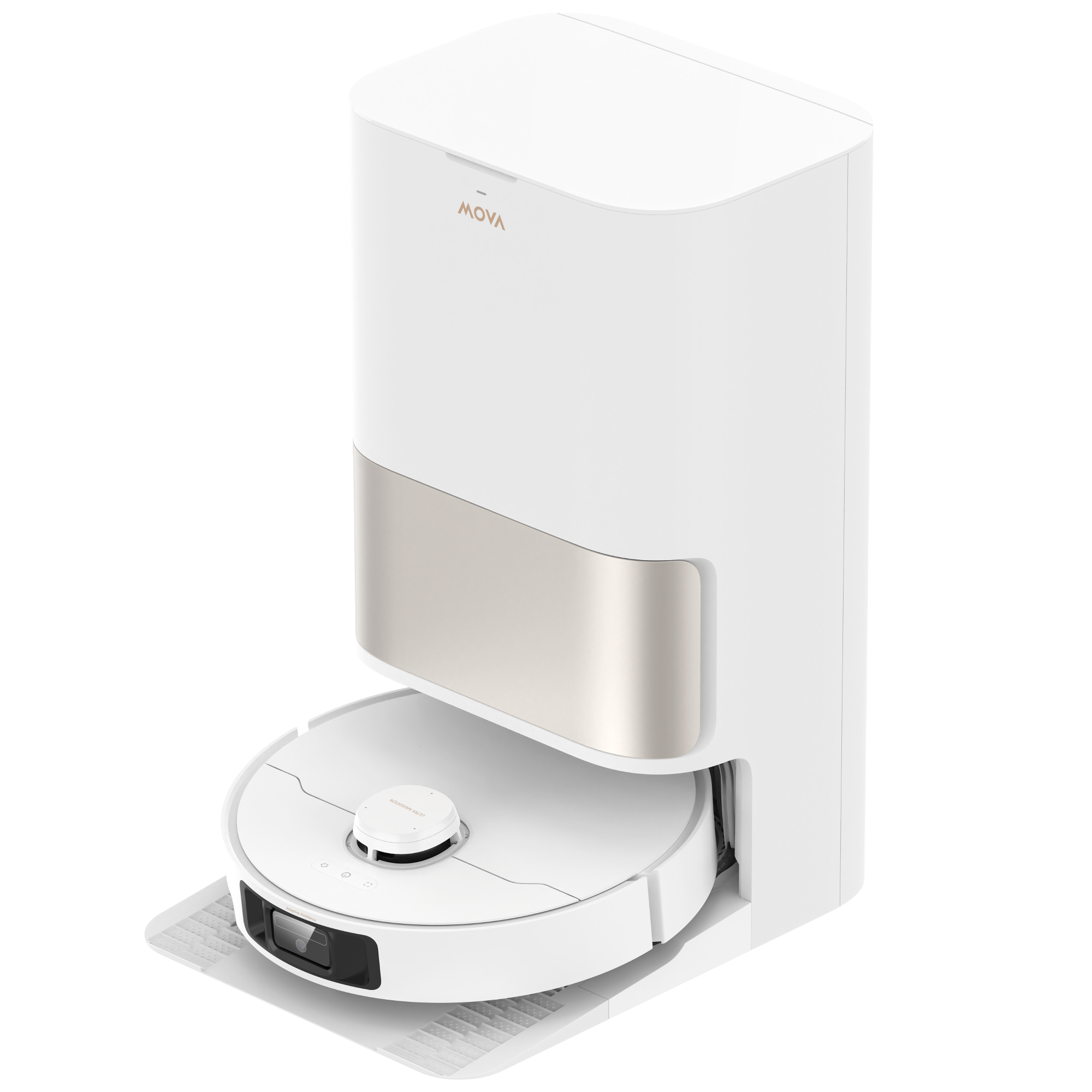
Around $550-600: The sweet spot. The Dreame L40 Ultra Gen 2 at $549 packs 25,000Pa suction, RGB camera obstacle avoidance, hot water mop washing, and an extending edge mop. The Ecovacs Deebot T30S Omni hits similar marks with its full OMNI station at $599 and adds pet waste avoidance via 4K camera. The MOVA P10 Pro Ultra pushes suction to 26,000Pa with 212-degree hot water mop washing and a 3-year warranty. Any of these three would feel like a generational leap from a budget robot.
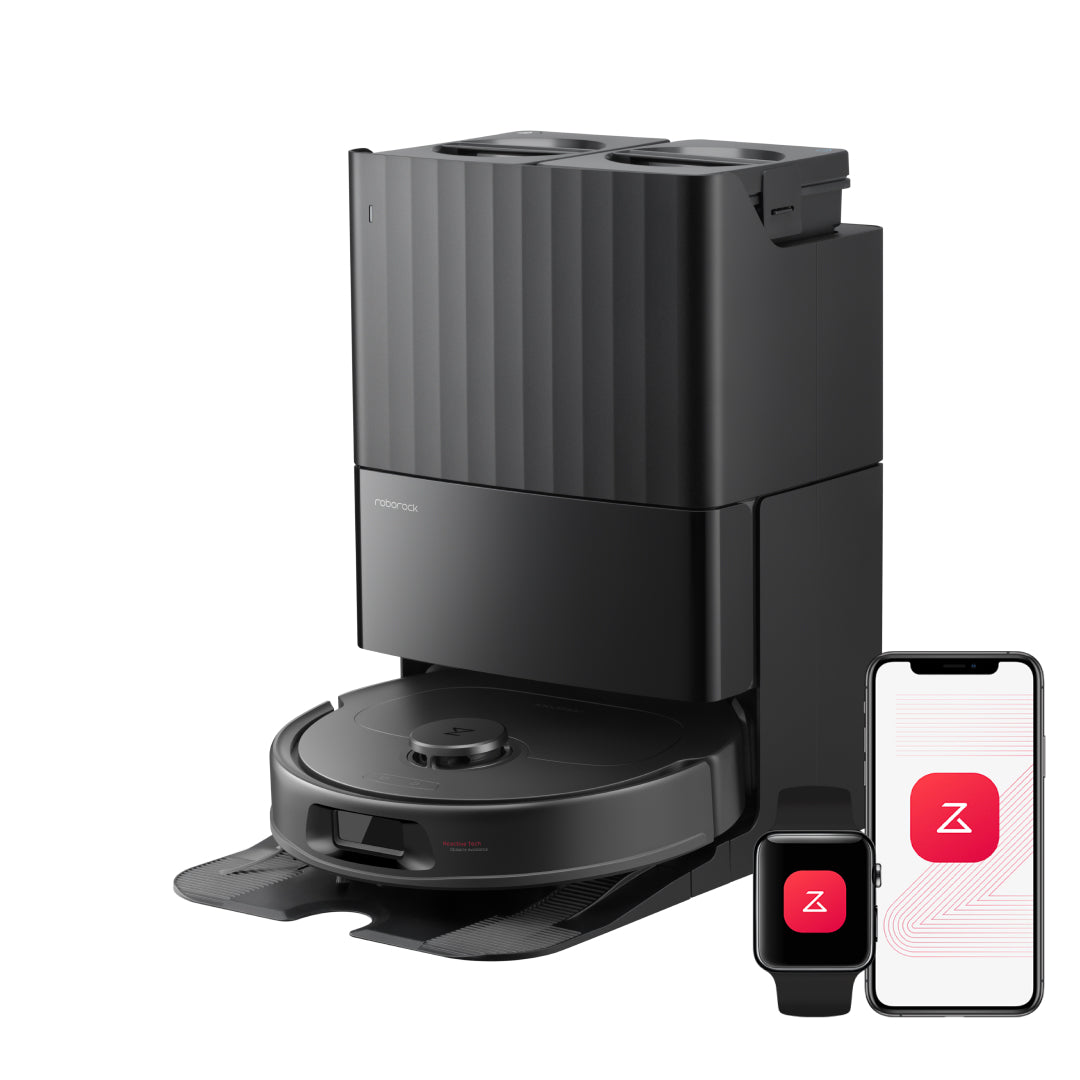
Around $800-850: The Roborock Qrevo CurvX adds the ultra-slim 3.14-inch profile that fits under furniture budget robots can’t reach, along with 22,000Pa suction and 176-degree hot water dock washing. You’re paying a premium, but the under-furniture access alone justifies it if you have low bed frames or couches.
When Upgrading Isn’t Worth It
If you live in a small apartment with all hard floors, no pets, and no carpets — keep your budget robot. A $150 robot vacuuming a 600-square-foot studio apartment with laminate floors is already doing its job perfectly well. The navigation improvements and dock convenience matter most in larger homes with mixed flooring, multiple rooms, and enough square footage that cleaning time and missed spots become noticeable problems.
The other scenario: if you hate mopping and just want vacuuming, the gap between budget and mid-range narrows considerably. The dock convenience is nice, but you’re paying $400 extra mostly for a bigger dustbin with a fan on top. That’s worth it for some people and not for others.
Upgrade when the daily friction of your current robot annoys you — emptying the dustbin, finding missed spots, rescuing it from under a chair. Keep what you have when it quietly does its job and you forget it exists. Both are valid answers.