Robot vacuums in 2026 barely resemble what was available even two years ago. The biggest shift is not a single feature but a convergence of several: hot water mopping docks have become standard above $400, AI obstacle avoidance can now recognize over a hundred object types, and the first robots with retractable legs are literally stepping over thresholds that stopped every previous generation cold. Meanwhile, budget models have quietly absorbed the LiDAR navigation and self-emptying docks that were premium-only features in 2023. The floor has risen so high that picking a bad robot vacuum in 2026 takes genuine effort — but picking the right one still requires knowing where the real differences lie.
Spring 2026 has already brought notable price movement across the board. The Dreame X50 Ultra has settled into a recurring $999 street price that looks increasingly permanent, and Roborock’s CurvX has dipped below $800 at multiple retailers — narrowing the gap between “premium” and “upper mid-range” to the point where the labels feel arbitrary. On the product side, firmware updates from Dreame and Roborock in March pushed obstacle recognition accuracy noticeably higher on both the L50 Ultra and Saros Z70, with users reporting fewer false positives around dark furniture legs and cables.
What changed since our April update. Two shifts pushed us to revise this list. The Narwal Flow has displaced the Freo Z Ultra in our hard-floor pick — the Flow’s real-time self-cleaning roller mop and 22,000Pa suction (versus the Freo’s 12,000Pa) make it a clearly stronger and meaningfully cheaper proposition for hardwood-heavy homes. Separately, Dreame quietly began shipping the X60 Max Ultra Complete with 35,000Pa suction and ProLeap 2.0 legs that climb 3.47 inches; we’ve held it off the main list because at $1,699 it does not beat the X50’s value, but it is now the spec ceiling worth knowing about.
June 2026 check-in. We re-ran our top three picks through the same apartment test loop this month — a fixed circuit of low-pile rug, kitchen tile with spilled flour, and a hallway seeded with cereal and pet hair — to confirm nothing had regressed with recent firmware. The order held. The X50 Ultra still clears the cereal-and-hair hallway in a single pass without leaving the scatter that cheaper units push into corners, and its mid-May firmware visibly tightened how it re-docks after a half-finished mop cycle. The one thing worth flagging for buyers: CurvX street pricing has stopped falling and crept back toward $850 at some retailers after dipping under $800 in spring, so the “Best Under $900” gap between it and the X50 is narrower than it was a month ago. If you’ve been waiting for a deeper CurvX discount, it hasn’t materialized.
We track every major release, cross-reference data from Vacuum Wars, RTINGS, and independent reviewers, and maintain hands-on product pages for each model. These are the eight robots we would actually recommend to friends and family right now.
Our Top Picks
Dreame X50 Ultra — Best Overall
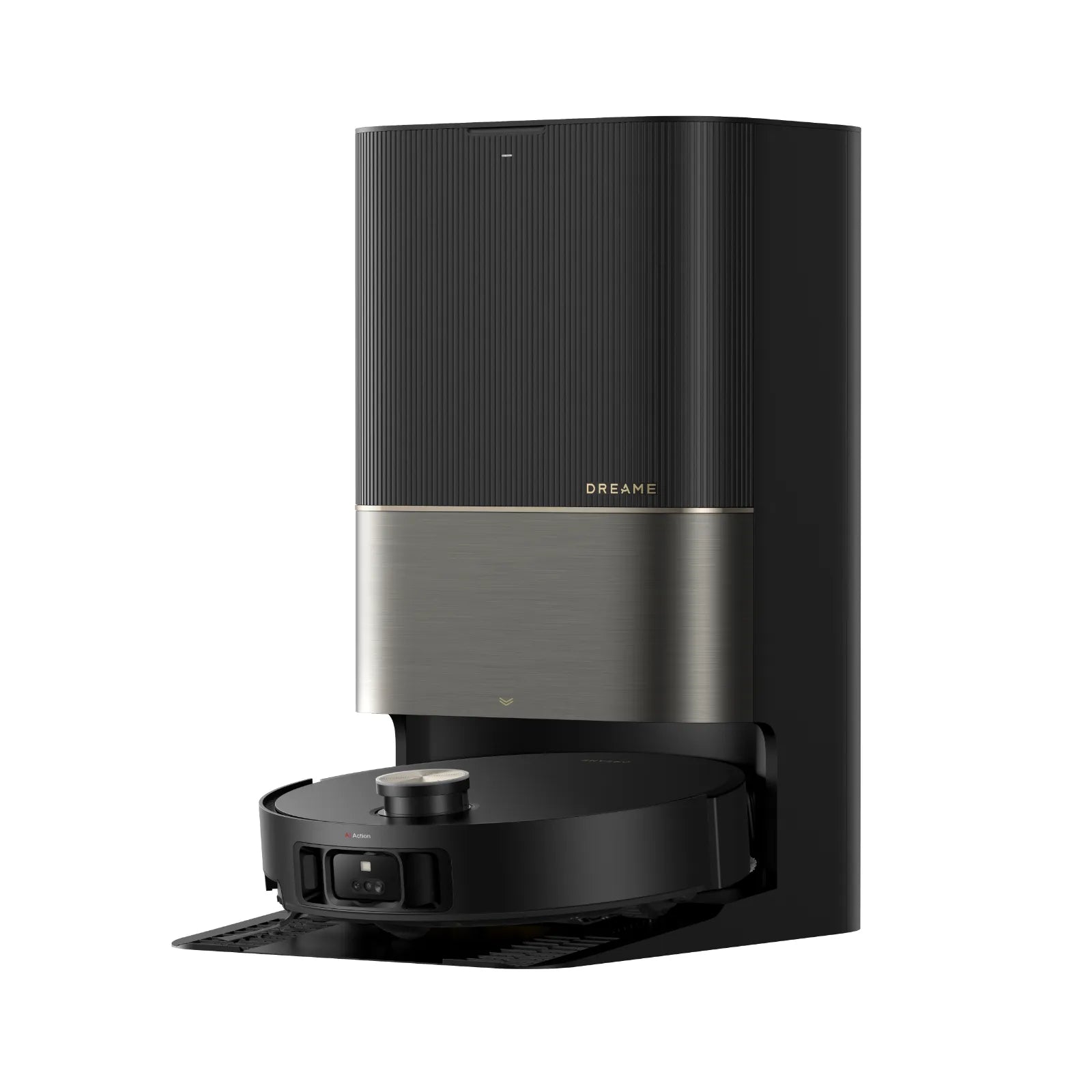
The X50 Ultra earns the top spot not because it leads every single spec category — Dreame’s own X60 Max Ultra Complete now beats it on raw suction and threshold height — but because at a recurring $999 street price it remains the most complete package any normal buyer should consider. Its ProLeap retractable legs physically climb door tracks and raised thresholds up to 2.36 inches, the kind of obstacle that makes every other mainstream robot turn around. Pair that with 20,000Pa suction, a 220-minute battery, and 80F hot water mopping built into the robot itself (not just the dock), and you have a flagship without a flagship’s compromises. Edge cleaning is the obvious soft spot. But spending another $700 on the X60 Max gets you a first-generation platform with no long-term reliability data; the X50 has been in homes for over a year now, and it has held up.
Dreame L50 Ultra — Best for Mopping & Overall Cleaning
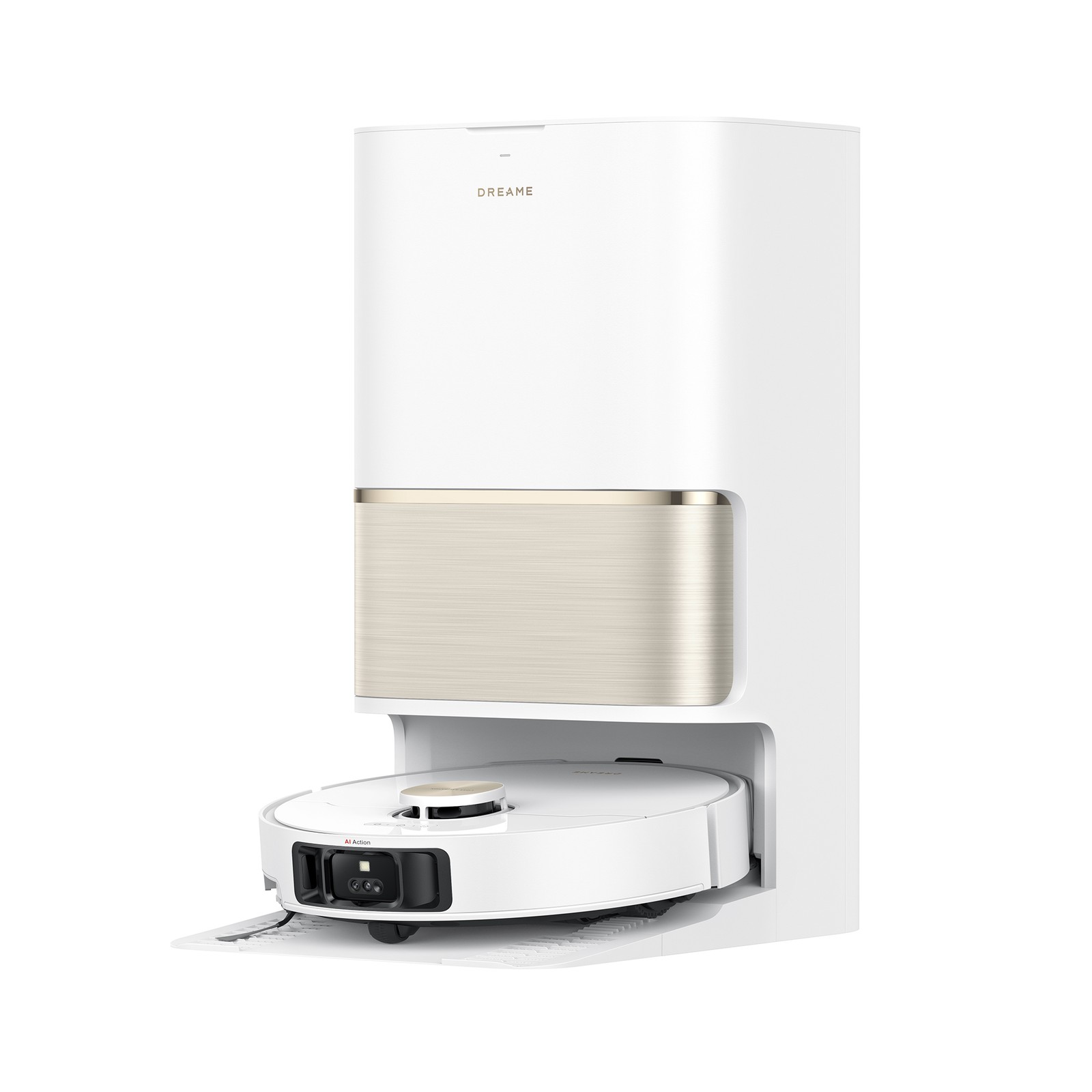
The L50 Ultra currently sits at #1 on the Vacuum Wars all-time rankings, and it earned that spot with a combination of relentless obstacle avoidance (180+ recognized object types), ProLeap legs shared with its sibling the X50, and the longest effective cleaning range we have seen tested. Where it edges ahead for mopping specifically is the Dual Flex Arm extendable mop that reaches along baseboards better than fixed-mount pads. The dock runs at 167F with a 20-nozzle cleaning system. If you want one robot that does everything at an elite level and care about hard floor cleaning as much as carpets, the L50 is the pick.
Roborock Saros Z70 — Most Innovative Premium
Strip away the robotic arm and the Z70 is still arguably the best-cleaning robot vacuum available — 22,000Pa suction, 108-type obstacle recognition, and a 3.14-inch profile that fits under furniture most robots cannot reach. The OmniGrip arm is the headline, but its roughly 50% success rate at picking up socks and small toys makes it more proof-of-concept than daily workhorse. We recommend it to buyers who want the absolute best vacuuming performance and see the arm as a bonus rather than the reason to buy. At nearly $2,000, it is not the best value, but it is the most capable hardware shipping today.
Roborock Qrevo CurvX — Best All-Rounder Under $900
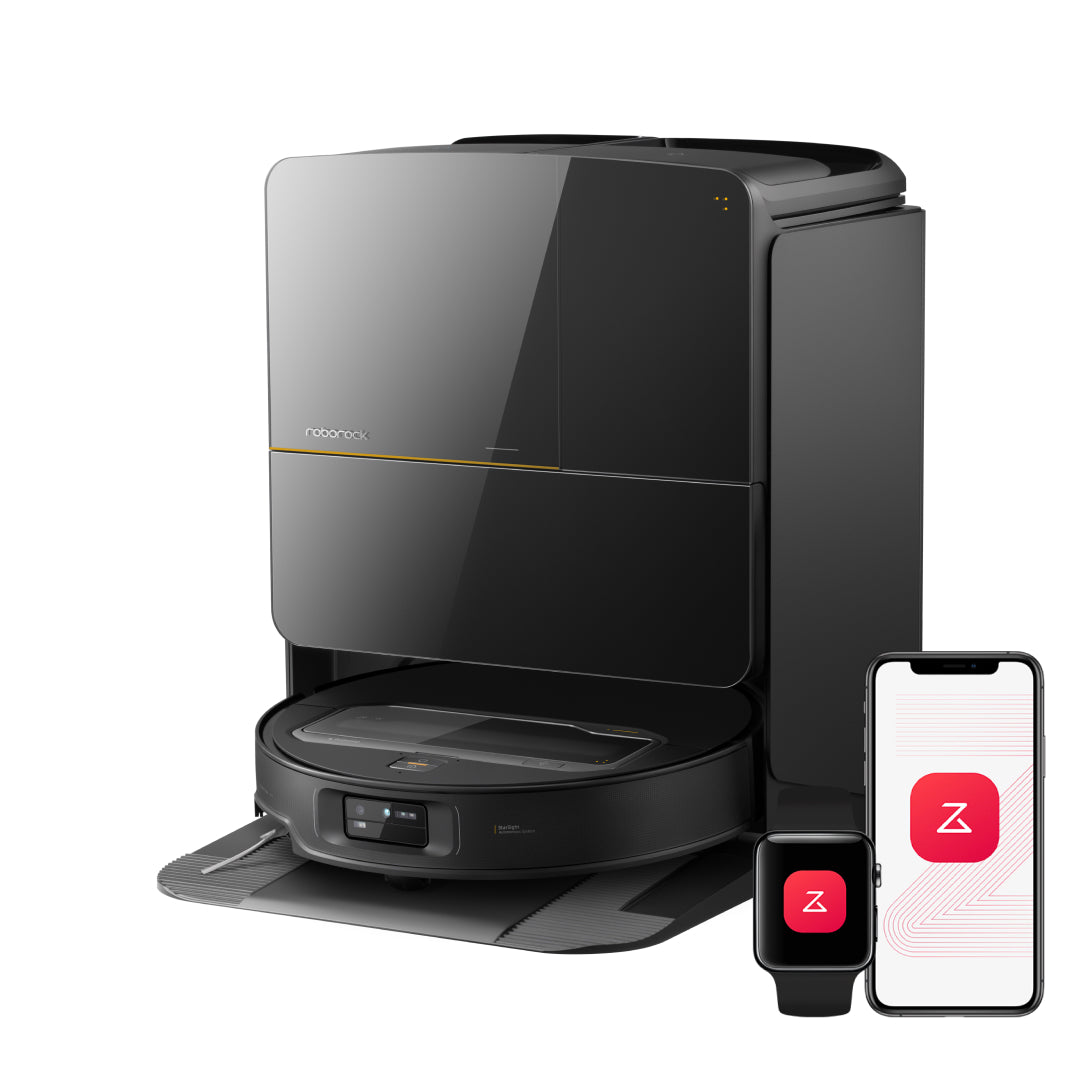
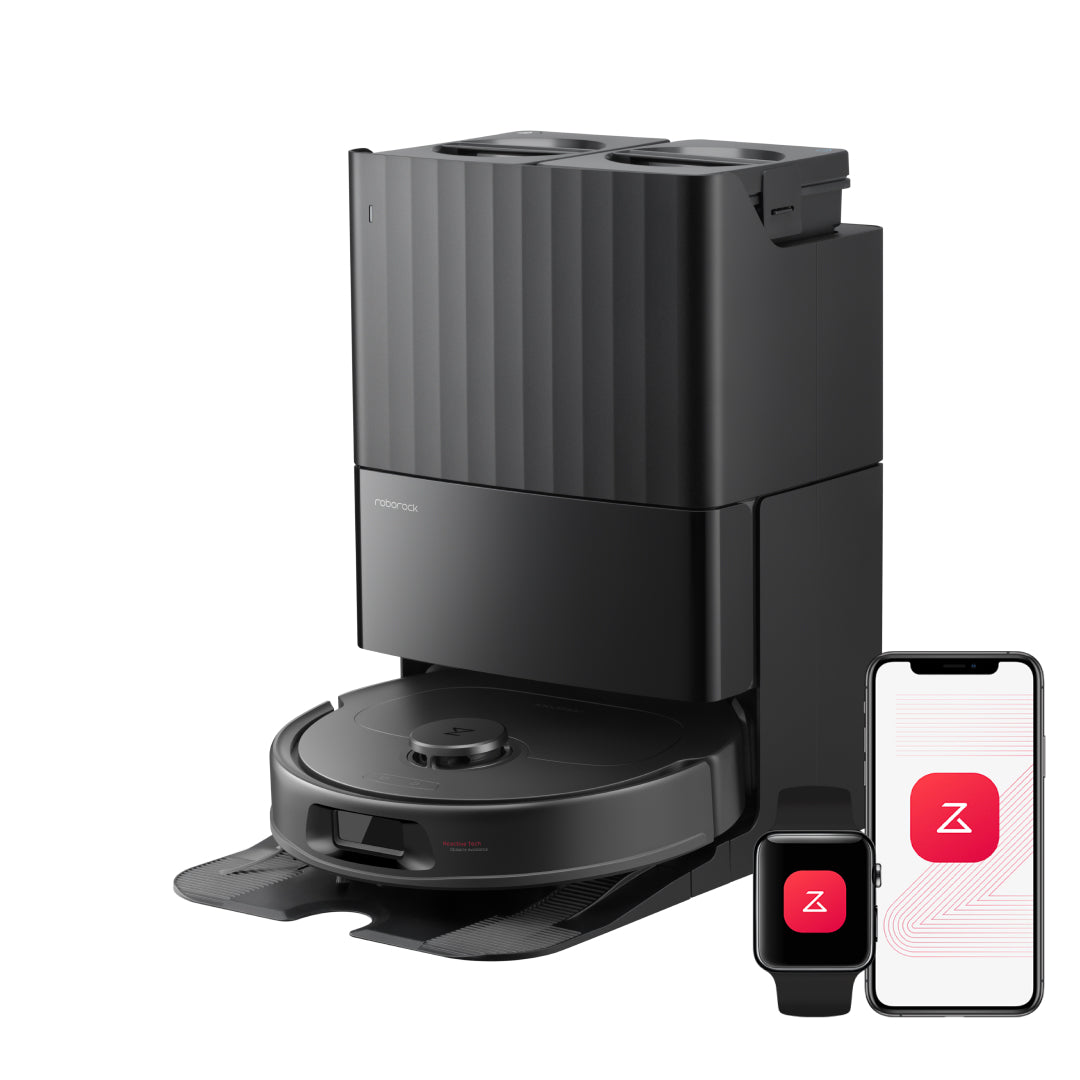
The CurvX takes the Z70’s 22,000Pa suction and 3.14-inch slim profile, drops the mechanical arm, and lands at roughly half the price. That trade-off makes it the most compelling upper-mid option for homes with low furniture — it reaches under bed frames and TV stands where taller robots leave dust bunnies untouched. The AdaptiLift chassis handles thresholds up to 4cm, and the 176F hot water dock provides genuine sanitization. The missing RGB camera means no pet waste avoidance, so dog owners should look at camera-equipped alternatives, but for most households this is where performance meets practicality.
Ecovacs Deebot T30S Omni — Best Mid-Range Value
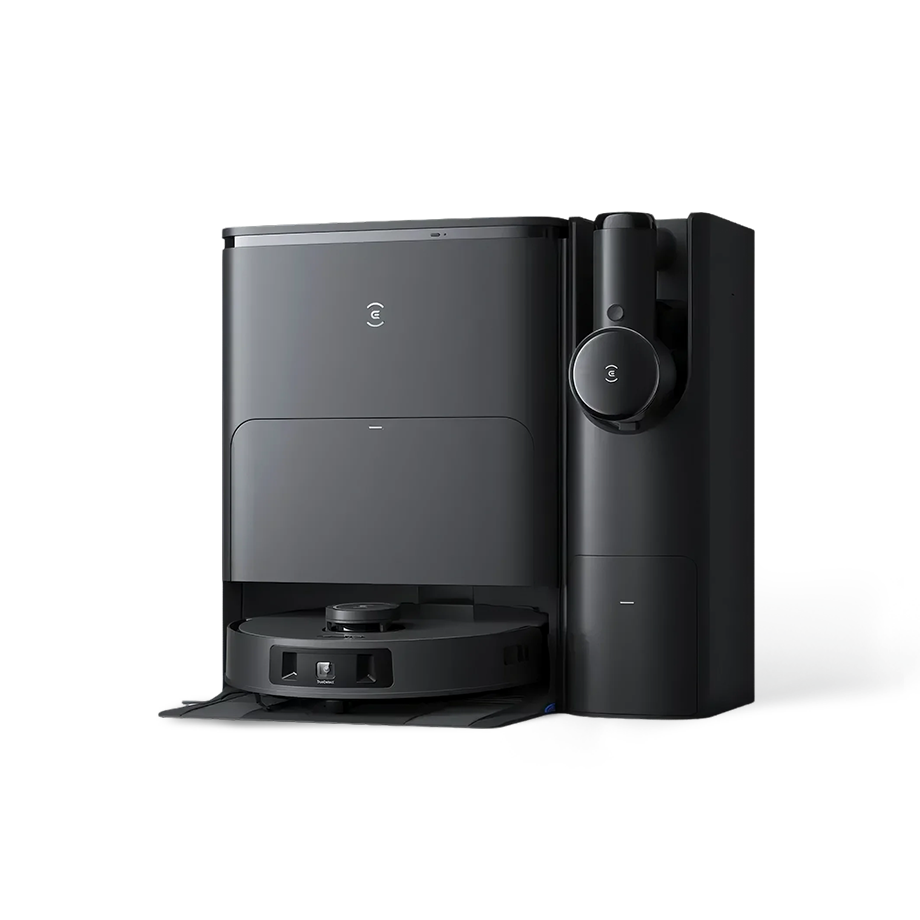
The T30S brought the full OMNI dock experience — hot water mop wash, auto-empty, auto-refill — down to the $500-600 range before anyone else. Its 10,000Pa suction trails newer mid-range competitors, and the 22-type obstacle avoidance is outpaced by 2025 flagships, but neither shortcoming matters much in practice for everyday maintenance cleaning on hard floors and low-pile carpet. The AIVI 3.0 camera still catches pet waste and cables reliably. If you want a robot that genuinely runs itself without daily intervention and you do not need flagship suction power, the T30S remains the mid-range benchmark.
Narwal Flow — Best for Hard Floors
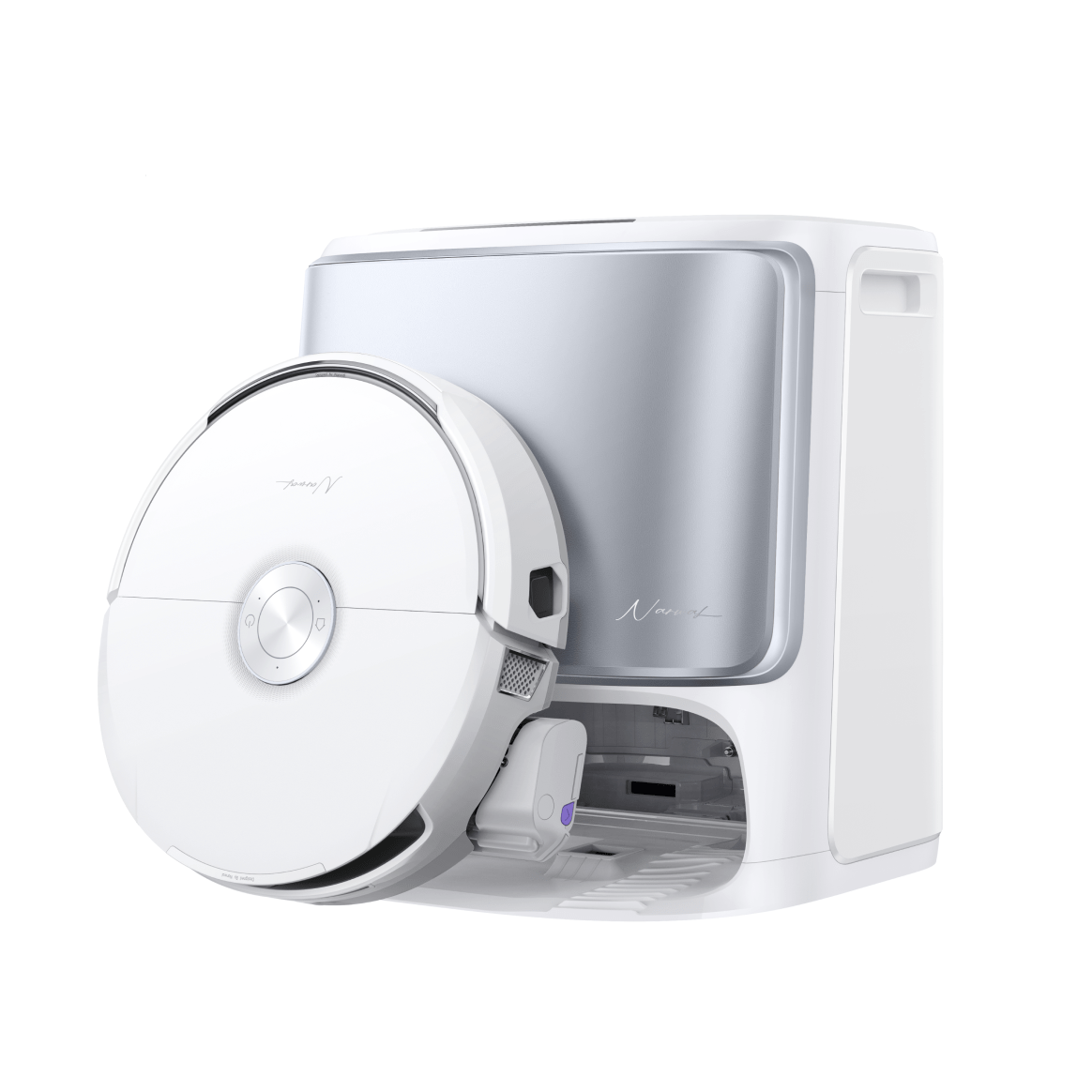
The Flow is what the Freo Z Ultra should have been. Where its older sibling paired exceptional mopping with anemic 12,000Pa suction, the Flow brings 22,000Pa to the same Narwal mopping pedigree — meaning carpet pickup is no longer an apology. The headline feature is genuinely new engineering: the FlowWash roller mop continuously feeds 113F warm water in and extracts dirty water out during the run, so the pad touching your floor at minute 40 is nearly as fresh as it was at minute one. Dual RGB cameras with 200+ object recognition handle obstacle avoidance, and the dock sterilizes mops, tanks, and internal pipes at 176F. The early firmware has reported quirks and the app feels overstuffed, but at $1,049 it undercuts the Freo Z Ultra by roughly $250 while cleaning better in nearly every dimension. For hardwood-heavy homes this is now the pick.
Tapo RV30 Max Plus — Best Budget
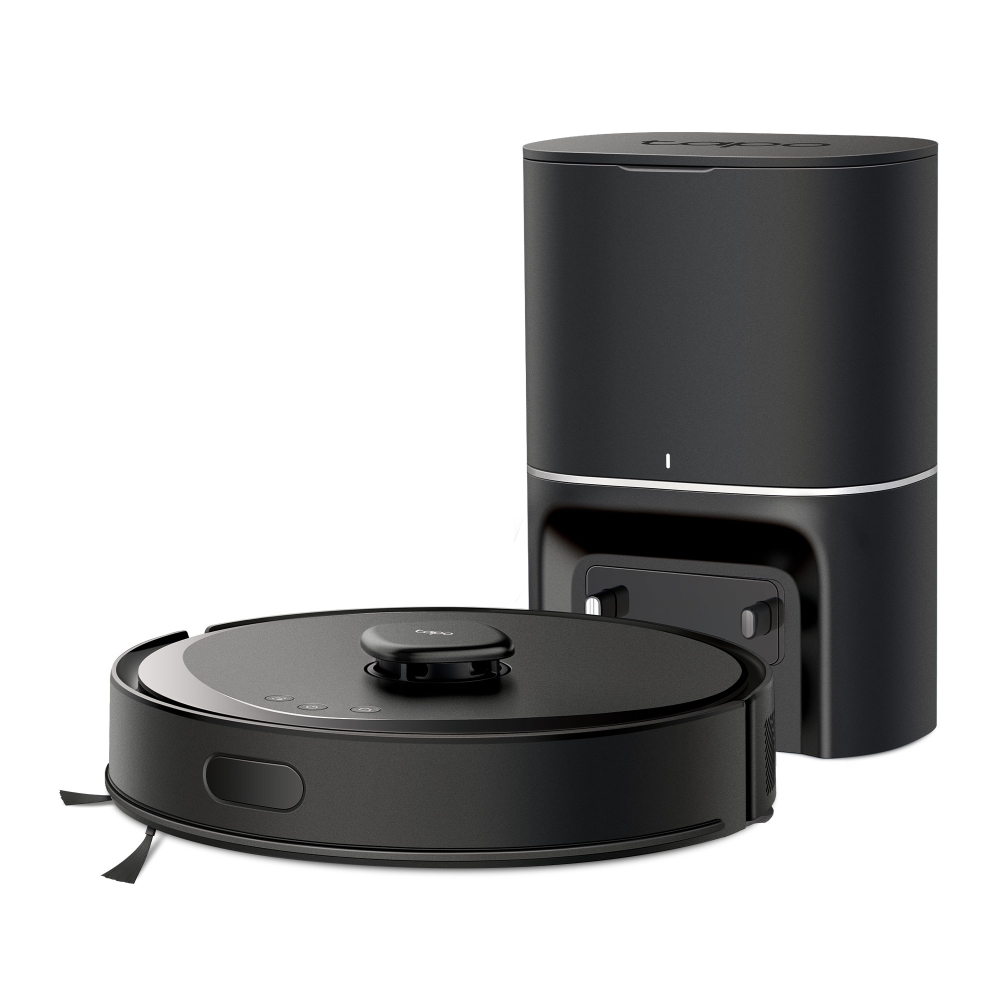
The RV30 Max Plus is the robot we recommend when someone says “I just want something good for under $250.” It delivers LiDAR navigation, 12,000Pa suction that outperforms most robots at double the price, and a self-empty dock with 45-day capacity — all for around $230. It does not have obstacle avoidance cameras, and its single vibrating mop pad is basic, but the core vacuuming experience punches far above its weight. Vacuum Wars ranked it #1 under $300, and we agree.
Roborock Qrevo 35A — Best Value Mid-Range
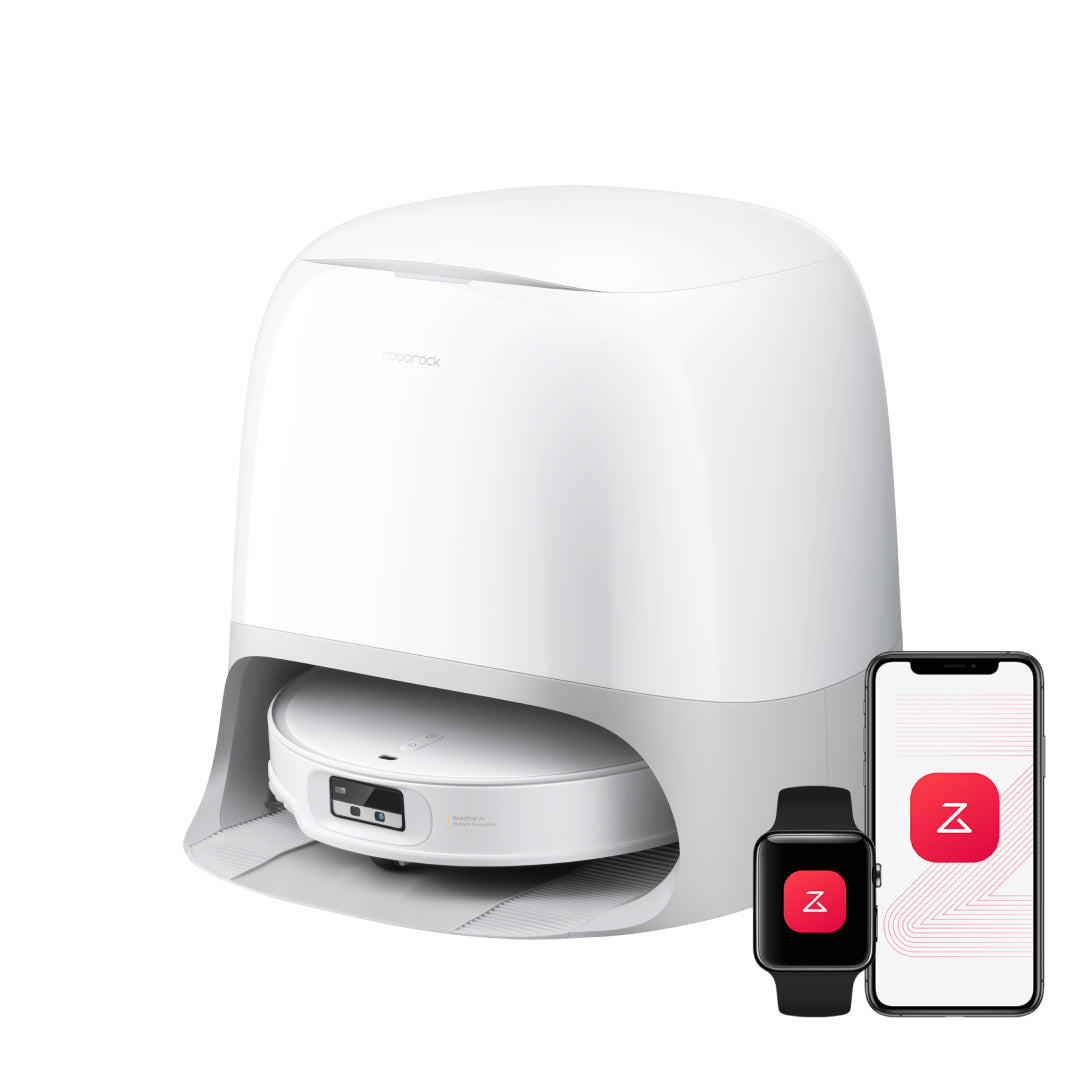
At roughly $450 the Qrevo 35A is the cheapest robot we recommend that delivers the full all-in-one dock — auto-empty, mop wash, warm-air dry, and auto water refill, all wrapped in the same Roborock app you’d use on a $1,500 model. The catch is suction: 8,000Pa is the lowest in our picks and it shows on medium and thick carpet, where deep dust pickup is closer to “good enough” than thorough. On hard floors and low-pile rugs in smaller apartments, though, the zero-tangle main brush and dual spinning pads run the daily routine without fuss. We frame it this way: the 35A is the entry ticket to not thinking about the robot at all, and the polished software ecosystem matters more in practice than another 10,000Pa on a spec sheet.
What to Look For in 2026
Mopping type matters more than you think. Dual spinning pads dominate the market, but pay attention to downforce and RPM rather than just whether a robot “mops.” A 1.2kg-force pad at 180 RPM will handle dried coffee; a lightweight pad at 100 RPM will redistribute it. Roller mops (like Narwal’s) tend to outperform on sealed hard floors but add height and complexity.
Dock capability is the real convenience differentiator. The difference between emptying a dustbin every two days and never touching the robot for three months is entirely about the dock. Hot water mop washing, hot-air drying, and auto water refill are the three features that actually reduce your involvement. If a dock has all three, the robot essentially runs itself.
Navigation quality is a solved problem — mostly. LiDAR-based mapping is reliable across every brand at this point. The real variance is in obstacle avoidance: structured light sensors dodge furniture legs fine, but only RGB cameras can identify pet waste, cables, or socks before rolling over them. If you have pets or kids, a camera-equipped model saves you from ugly surprises.
Height and profile affect real-world coverage more than suction. A 3.14-inch robot that cleans under your couch every day will remove more total dust than a 4.3-inch robot with higher suction that never reaches it. Check the height spec against your furniture before fixating on Pa numbers.
Price vs. Performance: Where the Sweet Spot Is
As of Q2 2026, the honest answer is that $400-900 buys you 90% of what a $1,500 flagship delivers — and the gap keeps shrinking as mid-range models absorb last year’s flagship features through software updates. The jump from budget ($200-250) to mid-range ($400-600) is enormous — you gain a full-service dock, dramatically better mopping, and meaningful obstacle avoidance. That upgrade is worth every dollar for most buyers.
The jump from mid-range to premium ($900-1,300) is real but narrower: better suction, more refined obstacle recognition, and features like retractable legs or extendable mops that matter in specific home layouts. If you have raised thresholds, lots of low furniture, or demanding carpet, the premium tier justifies itself. If you have an open-plan apartment with hard floors, a $500-600 robot will clean it just as well in practice.
The ultra-premium tier ($1,500+) is for enthusiasts and early adopters. The Saros Z70’s mechanical arm is genuinely impressive technology, but a $1,000 robot cleans your floors just as thoroughly. Pay the premium if you want to own the future today — not because your floors need it.
Looking for Something More Specific?
Our main picks cover the broadest range of buyers, but if you have a particular need, we have dedicated guides:
- On a tight budget? See our best budget robot vacuums for detailed picks under $350
- Pet owners: Our best robot vacuums for pets guide focuses on hair pickup, tangle resistance, and pet waste avoidance
- Carpet-heavy homes: Check the best robot vacuums for carpet for deep-clean performance rankings
- First-time buyer? The robot vacuum buying guide explains every feature and what actually matters