Dreame X60 Max Ultra vs Roborock Saros Z70: Legs vs Arm
This page contains affiliate links. We may earn a commission at no extra cost to you. Learn more.
Quick Verdict
Two ultra-premium robots that each represent a radical engineering philosophy. The Dreame X60 Max Ultra Complete uses ProLeap 2.0 legs to climb over obstacles up to 3.47 inches. The Roborock Saros Z70 uses a 5-axis mechanical arm to pick up small objects before vacuuming. Both are extraordinary machines. The X60 wins more consistently on everyday performance — 35,000Pa Vormax versus 22,000Pa, and ProLeap 2.0 that actually works every time versus an arm that succeeds ~50%. The Z70's arm is a fascinating first-gen technology that needs maturation.
Specs Comparison
| Feature | Dreame X60 Max Ultra Complete | Roborock Saros Z70 |
|---|---|---|
| Price | $1,699-1,999 | $1,299-2,599 |
| Suction Power | 35,000Pa | 22,000Pa |
| Navigation | Retractable LiDAR (VersaLift) + 3D Structured Light + RGB Camera, 280+ object recognition | 3D ToF LiDAR + Dual RGB Cameras |
| Mop Type | Dual spinning pads with MopExtend edge reach, 100C on-robot hot water mopping | Dual spinning pads (200 RPM) |
| Dock Features | Auto-empty, 100C mop self-cleaning, hot-air dry, auto water refill, UV sterilization | Hot water wash, auto-empty, self-clean, auto detergent |
| Battery Life | 210 min | 180 min |
| Noise Level | 65 dB | 67 dB |
| Height | 3.13" | 3.14" |
| Weight | 9.5 lbs | 10.5 lbs |
| Special Feature | ProLeap 2.0 legs climb obstacles up to 3.47in; Vormax suction at 35,000Pa is class-leading in 2026 | OmniGrip 5-axis mechanical arm, AdaptiLift chassis |
Cleaning Performance
These two ultra-premium robots approach home cleaning from different angles — the X60 with brute-force Vormax suction, the Z70 with precision object handling.
The Saros Z70’s 22,000Pa suction is strong and earned industry-leading scores in Roborock’s internal testing. Against 35,000Pa on the X60, there’s a 59% suction gap on paper. On thick pile carpet and heavily embedded debris, the X60’s cleaning is more thorough. On hard floors, both achieve excellent results — in a hard-floor loft these two are near-equals as vacuums, and the purchase decision collapses almost entirely onto the legs-versus-arm question.
The Z70’s OmniGrip arm represents a fundamentally different capability: rather than navigating around socks and small toys, it picks them up and deposits them in a collection bin. When it works. Independent testing has put its success rate around 50%, which means the arm improves cleaning outcomes in theory but misses often enough that you can’t plan a tidier floor around it.
Winner: Dreame X60 Max Ultra Complete — 35,000Pa versus 22,000Pa on carpet is the consistent everyday cleaning advantage. The arm is fascinating but too unreliable to factor into cleaning performance today.
Navigation & Obstacle Avoidance
The Saros Z70 leads the market in obstacle avoidance — 108 trained object types with dual RGB cameras and industry-best avoidance scores in testing. The robot’s ability to identify what it encounters and choose to either avoid or pick up (for the arm’s supported objects) represents genuinely innovative navigation.
The X60’s 280+ object recognition expands the trained library beyond the Z70’s 108 types — a meaningful difference in identification breadth. The proactive corner illumination ensures the camera gets useful light in dark environments; the Z70’s dual cameras also handle low-light better than single-camera competitors.
ProLeap 2.0 at 3.47 inches versus the Z70’s standard AdaptiLift chassis (which climbs well for a standard design but can’t match ProLeap heights) is where the X60 pulls ahead on real-world navigation. Getting over thresholds changes what a robot can clean autonomously; picking up socks improves a subset of cleaning scenarios.
At 3.13 vs 3.14 inches, both robots fit under essentially the same furniture.
Winner: Tie — Saros Z70’s 108-type object avoidance and dual cameras versus X60’s 280+ library and ProLeap 2.0 crossing. Different navigation philosophies with genuine strengths on both sides.
Mopping
The Z70’s dual spinning mop pads at 200 RPM are a solid mopping system. The Dock 4.0 includes hot water wash, auto-empty, self-clean, and auto detergent. Like the S8 MaxV Ultra, the detergent dispenser adds cleaning efficacy the X60 dock doesn’t offer.
The X60’s spinning pads with MopExtend edge reach and 100°C dock washing counterbalance with higher wash temperature and UV sterilization. Both are good mopping systems; the preference depends on whether auto detergent or 100°C washing matters more for your floors.
Winner: Tie — Saros Z70’s auto detergent vs X60’s 100°C + UV dock washing. Different priorities, equal overall mopping capability.
Dock & Maintenance
The Roborock Dock 4.0 auto-empties, hot-water washes, self-cleans, and dispenses detergent automatically. It’s a full-featured flagship dock.
The X60’s dock adds 100°C washing and UV sterilization. Both are comparable in capability; the X60 wins on wash temperature and sterilization, the Z70 wins on auto-detergent convenience.
One note: the Z70’s mechanical arm mechanism has been reported to produce occasional rattling noises when retracted. The X60’s ProLeap legs, being simpler mechanically, don’t have this issue.
Winner: Dreame X60 Max Ultra Complete — 100°C + UV versus hot-but-not-boiling water without UV. The detergent dispenser is a Z70 advantage but doesn’t fully offset the temperature gap.
Smart Features & App
Both robots run mature apps — Roborock’s is among the most polished in the category; Dreame’s is comprehensive and has improved significantly. The Z70’s OmniGrip arm adds a genuinely new control dimension: you can schedule pickup tasks, set collected object alerts, and review what the arm retrieved.
The X60’s ProLeap 2.0 configuration, 280+ obstacle detection settings, and proactive illumination controls are similarly unique to its hardware.
Winner: Roborock Saros Z70 — OmniGrip arm controls and Roborock’s historically best-in-class app give it a small edge in the smart features category.
Value & Price
The Z70 lists at $1,999, $300 more than the X60’s $1,699, though Roborock has had it back on promotion lately, so the working gap is often smaller than list prices suggest. These are also the only two machines in our lineup that reach the ultra-premium tier at all — the next robots down, the Ecovacs X9 Pro Omni and Saros 10R, typically sell for $1,399 and $1,299, and the whole field beneath them is ranked in our review directory — so anyone shopping this matchup has already decided to pay for frontier features. The question is which frontier. The arm’s ~50% success rate is a meaningful reliability concern at this pricing. The X60’s ProLeap 2.0 works every single time.
For buyers who want the absolute best available and are comfortable paying first-gen premium for innovative technology, the Z70 is a legitimate choice. For buyers who want the most capable everyday robot at the most sensible ultra-premium price, the X60 delivers more reliable results for less money.
Winner: Dreame X60 Max Ultra Complete — ProLeap 2.0 reliability, higher suction, and a $300 price advantage over a robot whose headline feature is still first-generation. The Z70 is fascinating; the X60 is more practical.
Pros & Cons
Dreame X60 Max Ultra Complete
- 35,000Pa Vormax suction is among the highest ever measured in a consumer robot vacuum
- ProLeap 2.0 obstacle climbing reaches 3.47 inches — nearly 50% more than any prior robot
- 280+ object recognition with proactive illumination for dark corner navigation
- 212°F on-dock mop self-cleaning at 100°C eliminates grease and bacteria effectively
- Ultra-slim 3.13-inch profile fits under furniture even the Saros Z70 cannot reach
- At $1,699, among the most expensive robot vacuums in the US market
- Large dock footprint requires dedicated laundry room or utility space
- Brand new platform means limited long-term reliability data as of early 2026
- The ProLeap 2.0 mechanism adds mechanical complexity that could become a maintenance concern over time
Roborock Saros Z70
- First robot vacuum with a functional mechanical arm for object pickup
- Industry-leading 22,000Pa suction with excellent cleaning scores
- Best-in-class obstacle avoidance (108 object types)
- Ultra-slim 3.14-inch profile fits under most furniture
- Mechanical arm only succeeds ~50% of the time and recognizes limited objects
- Very high price — $1,999+ MSRP for first-gen arm technology
- Some units produce rattling noise from the retracted arm mechanism
Which Should You Buy?
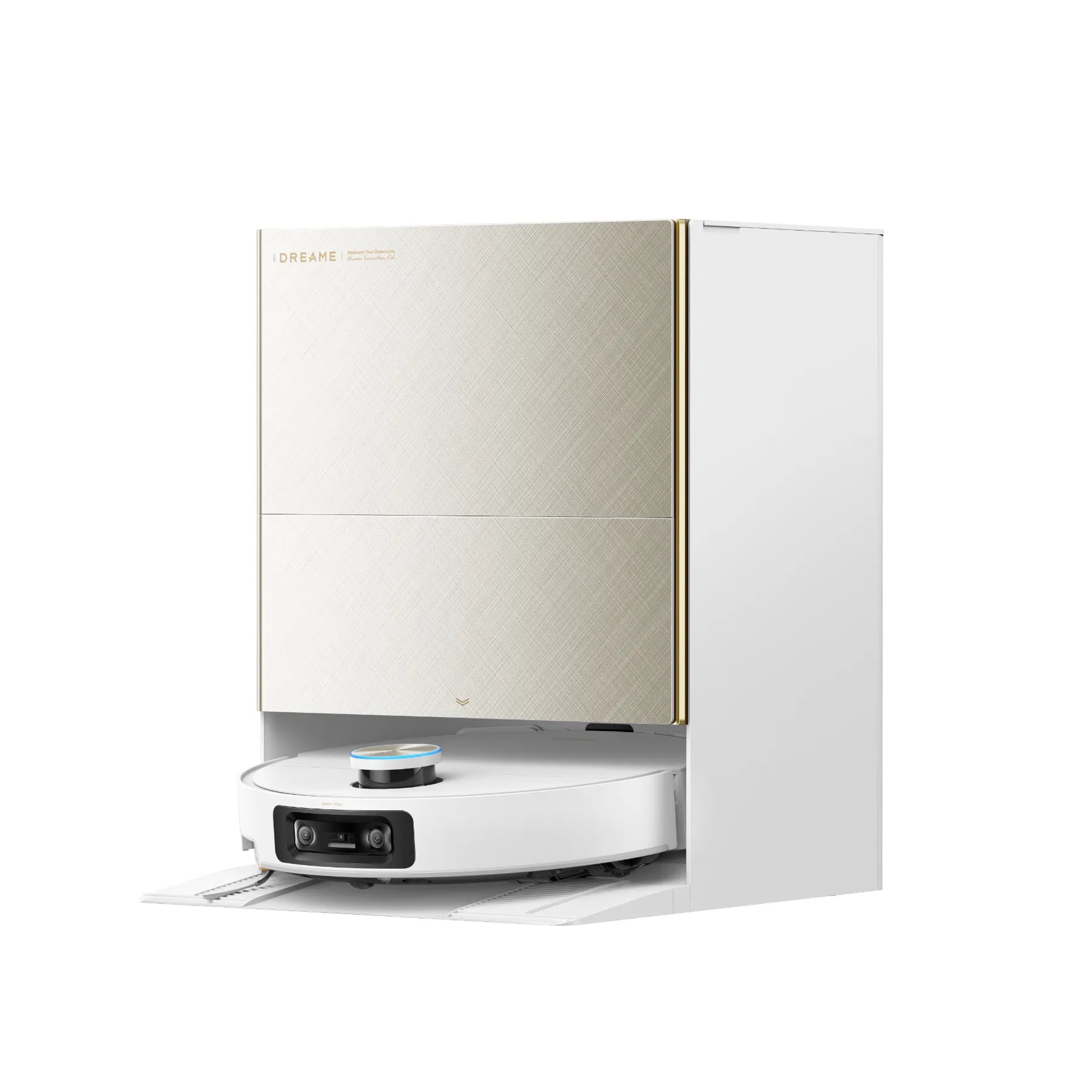
Get Dreame X60 Max Ultra Complete if…
- 35,000Pa Vormax suction is among the highest ever measured in a consumer robot vacuum
- ProLeap 2.0 obstacle climbing reaches 3.47 inches — nearly 50% more than any prior robot
- 280+ object recognition with proactive illumination for dark corner navigation
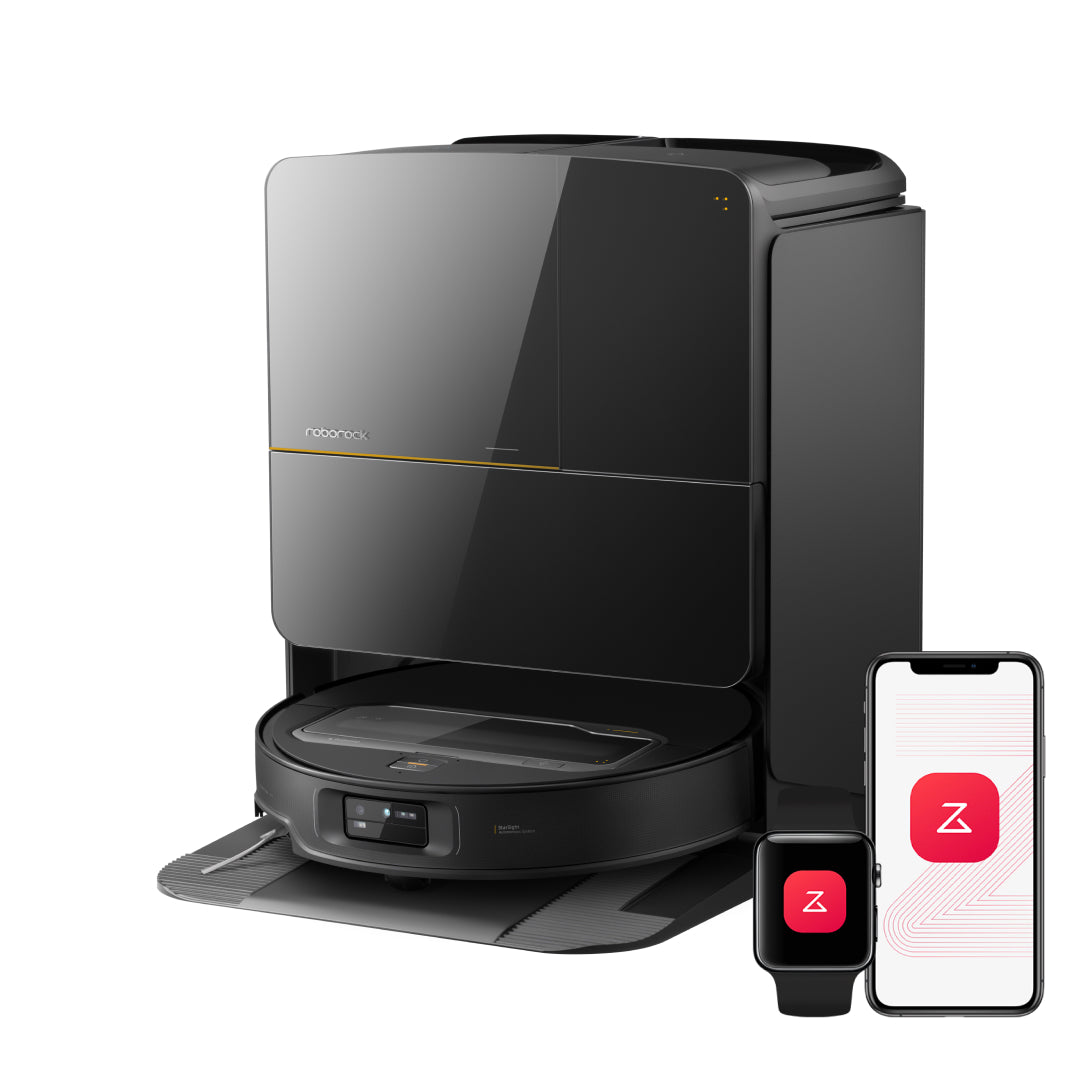
Get Roborock Saros Z70 if…
- First robot vacuum with a functional mechanical arm for object pickup
- Industry-leading 22,000Pa suction with excellent cleaning scores
- Best-in-class obstacle avoidance (108 object types)
Frequently Asked Questions
Does the Roborock Saros Z70 mechanical arm actually work?
It works, but not reliably. In testing, the OmniGrip arm succeeds roughly 50% of the time on supported objects. It also recognizes a limited number of object types. The first-generation arm technology is innovative and genuinely unique, but it's not yet reliable enough to be a deciding purchase factor. It's a preview of where robot vacuums are heading.
Which is better value — X60 at $1,699 or Saros Z70 at $1,999?
The X60 Max Ultra Complete at $1,699 is better value for most buyers. ProLeap 2.0 crossing at 3.47 inches works reliably every time, 35,000Pa suction is the stronger cleaning system, and the dock features are comparable. The Z70's arm is a cool technology preview at $300 more — and while Roborock has had the Z70 back on promotion recently, a smaller gap doesn't change the reliability argument.
Is the Saros Z70 slimmer than the X60?
Yes — the Z70 at 3.14 inches is marginally slimmer than the X60's 3.13 inches. Essentially identical under-furniture reach.
Which handles pet households better?
The X60 Max Ultra Complete — 35,000Pa pulls more embedded pet dander from carpet, 280+ object recognition identifies pet waste for avoidance, and ProLeap 2.0 crosses the rug edges pets track dirt onto. The Z70's arm can theoretically pick up a pet toy, but it only succeeds about half the time and isn't trained on most pet objects. For more pet-specific recommendations, see our pet hair guide.